
Wipers: Protecting Rods and Components on Construction Machinery
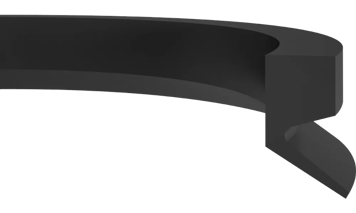
Wipers keep dirt, sand, metal chips and moisture out of hydraulic and pneumatic systems, extending the life of rods, bearings and cylinders. In dusty working environments such as construction, mining and agriculture, wipers are indispensable.
What does a wiper do?
As the rod moves, the wiper flexes and sweeps the contact surface, so particles are expelled before they can enter the system. The wrong wiper soon leads to hardening, tearing and leakage.
How to choose the right wiper
- Rod diameter and stroke: The wiper's inner diameter must match the rod size.
- Severity of the environment: Double-lip or metal-reinforced designs are preferred in heavy dust.
- Temperature and chemicals: Choose the material according to exposure to UV, oil and solvents.
- Installation space: Groove width and depth affect wiper performance.
Applications on construction machinery
Wipers are used extensively on excavator booms, loader lift cylinders, agricultural machinery and mining equipment. Use the industries section to determine the sealing group you need for your application.
Maintenance and replacement interval
Wipers are wear parts. Regular visual checks and early replacement when hardening or cracks are found keep the system safe. See our product catalogue for wipers in different sizes and types.
Catching failure early: what to look for
Wiper failure is rarely sudden; it shows itself over weeks. Three signs can be checked before dismantling the cylinder:
- Fine scratches on the rod: A hard particle trapped under the wiper lip scratches the same track every time the rod moves. If scratches have formed, the problem is no longer just the wiper.
- Hardening or cracks in the lip: The elastomer loses its elasticity over time. A lip that does not spring back when pressed with a fingernail and has cracked edges has stopped doing its job.
- The oil film left on the rod: In a healthy system a very thin oil film remains on the rod as it extends and is taken back as it retracts. A visibly oily rod, or a completely dry one, points to two different failure modes.
Three common mistakes during replacement
When a new wiper fails quickly, the cause is usually the installation rather than the part.
- Fitting without checking the rod surface: A scratched rod destroys a new wiper within the first weeks. Replace the wiper together with a rod inspection.
- Pulling the lip over a sharp edge: If the wiper is forced over a chamfer or keyway during fitting, an invisible tear forms in the lip. Using a fitting sleeve or taping the edges prevents this.
- Fitting it the wrong way round: The wiping lip must always face outwards, towards where dirt comes from. A wiper fitted backwards traps dirt inside instead of scraping it off.
If you know the size, start searching
If the code on the removed wiper is unreadable, measure the inner diameter, outer diameter and height and see matching records in the size finder. You can narrow the result by filtering the product group to "Wiper".
Conclusion
The right wiper means fewer failures, longer service intervals and lower maintenance costs. At Ada Kauçuk we offer technical guidance and fast supply for KASTAŞ wiper solutions.