
Hydraulic Piston-Rod Seals
9 products

Categories
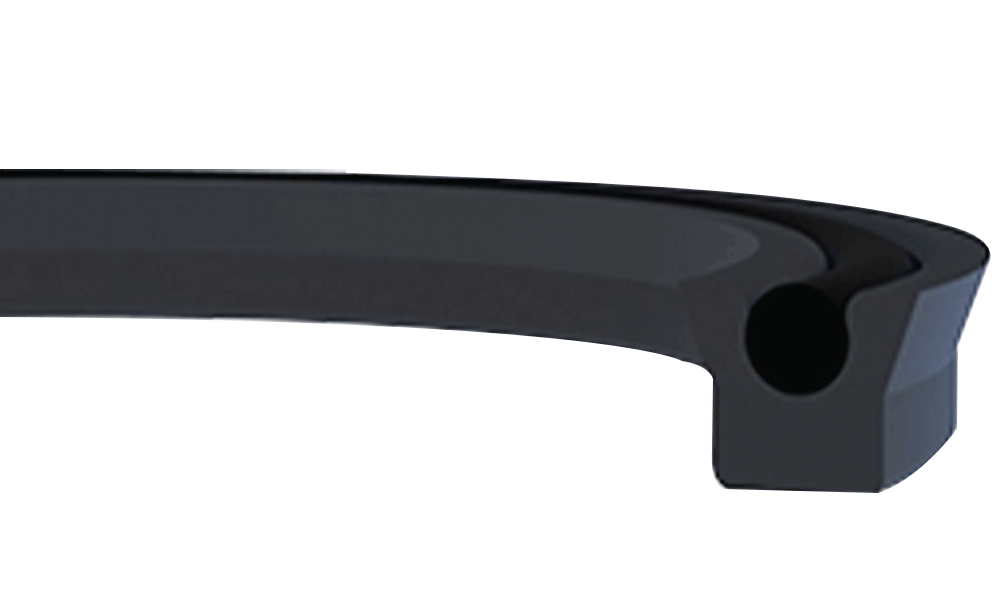
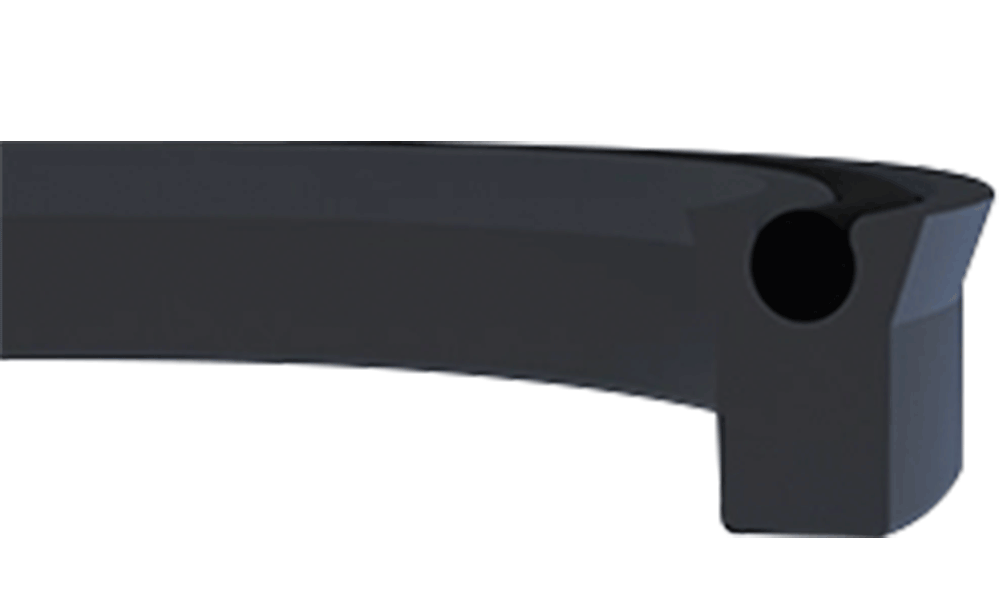
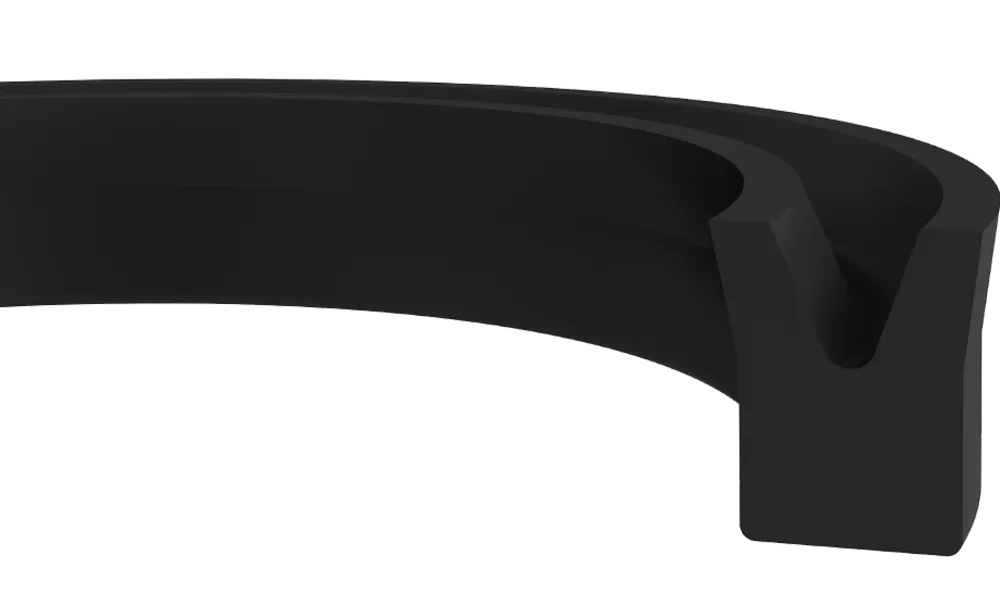
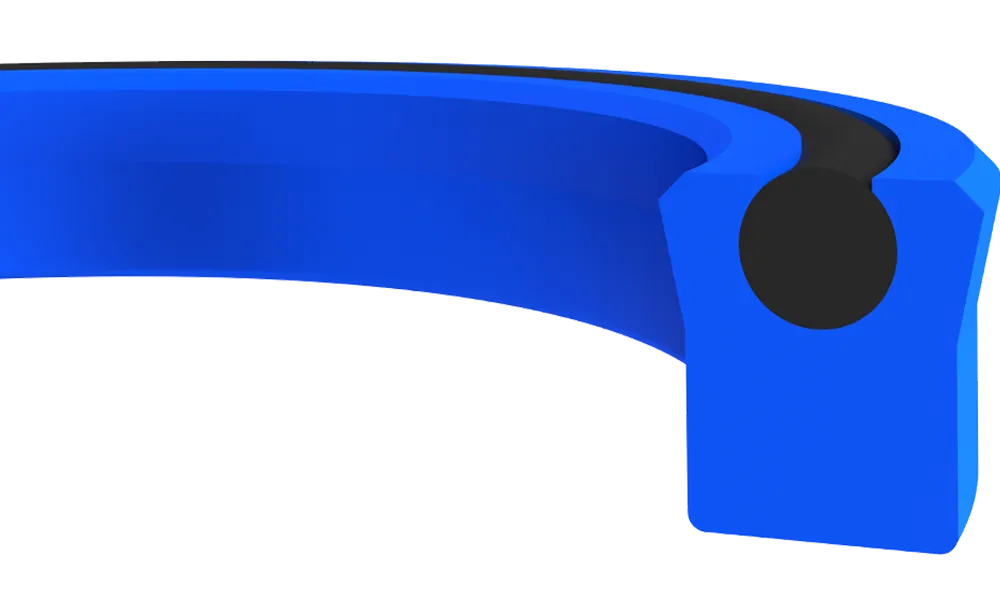
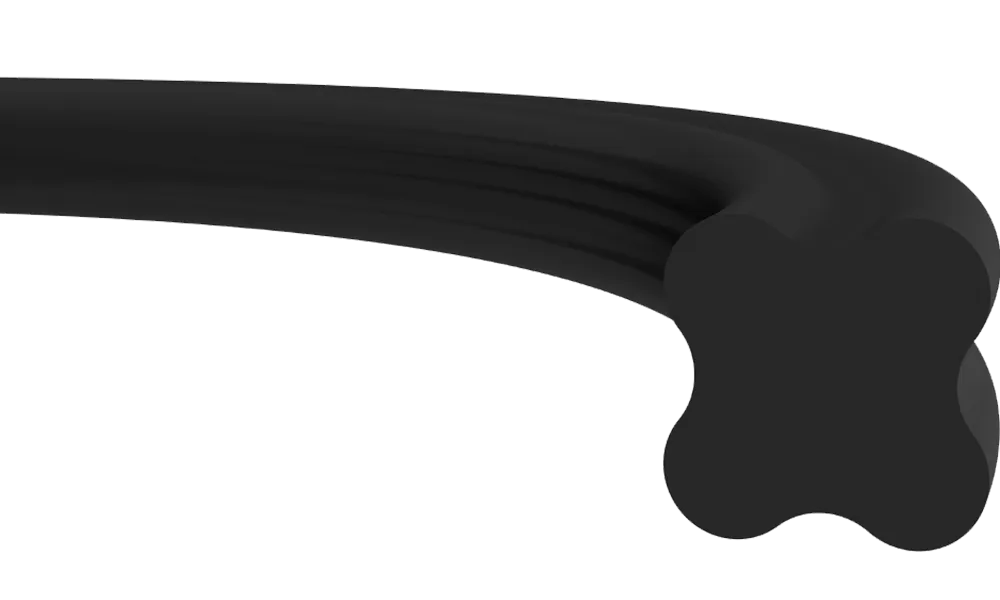
About hydraulic piston-rod seals
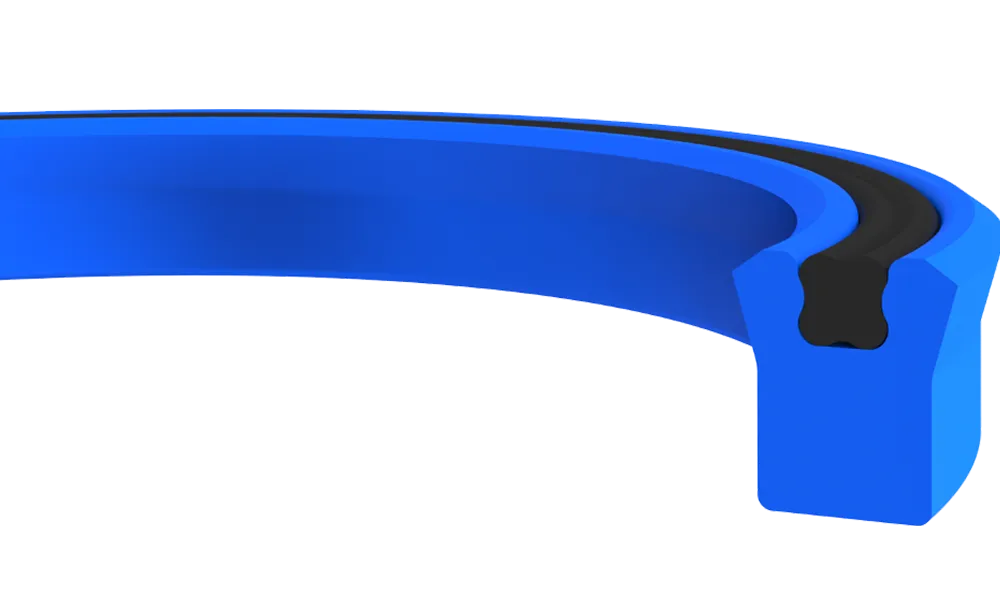
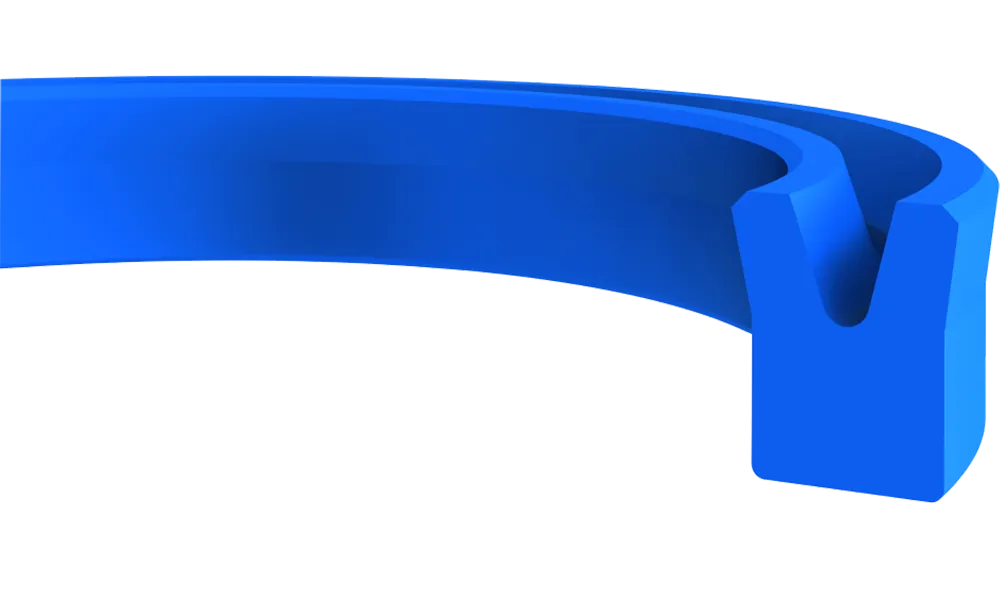
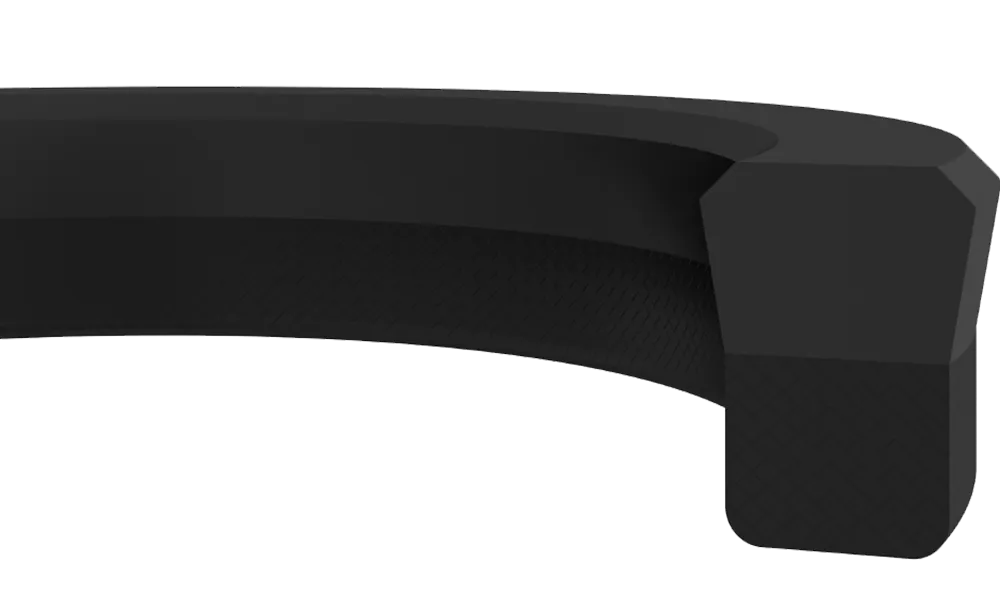
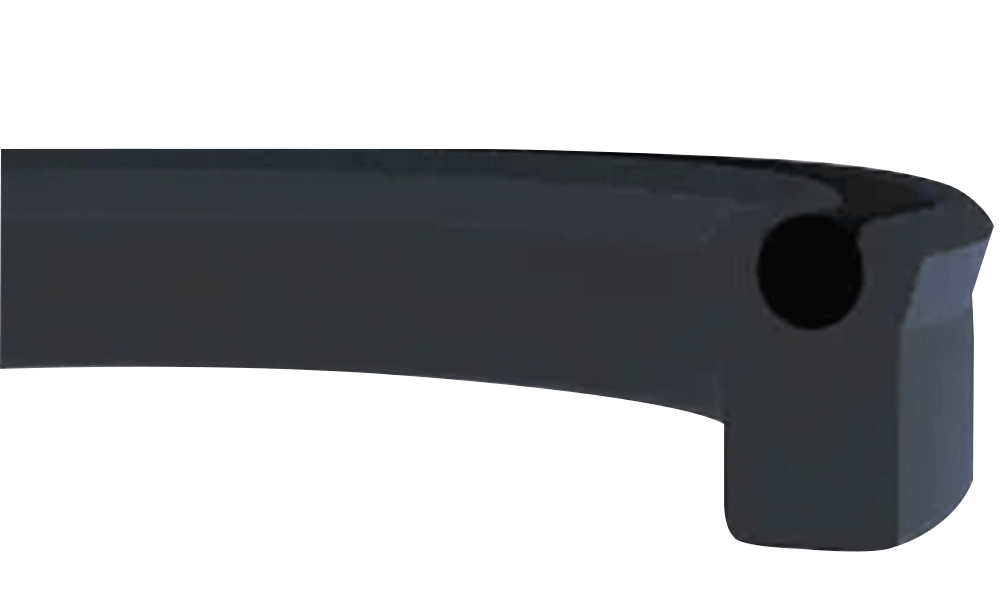
Piston-rod seals are bidirectional profiles that can be used in either the piston or the rod position. Their symmetrical cross-section holds pressure from both sides, which reduces the number of stock items and lowers the risk of fitting errors.
The most common examples are X-rings (four lips) and symmetrical lip profiles. Compared with a classic O-ring, the X profile has two main advantages: four contact points form a more stable sealing film, and the cross-section's tendency to twist (rolling) is much lower. As a result, a longer life than an O-ring can be expected in dynamic applications.
Products in this category are offered in NBR, polyurethane (PU) and fabric-reinforced designs. NBR is the standard solution for mineral-oil systems; polyurethane is chosen where abrasion and extrusion resistance matter and pressures are higher. At high pressure they are usually combined with a back-up ring so the root of the lip cannot extrude into the clearance gap.
Across the product tables in this category, operating limits reach up to 400 bar and span −40 °C to +105 °C. These are the limits of the whole category; each profile's own range is given in the table on its product page.
Applications include construction and agricultural equipment cylinders, hydraulic power units, valve blocks and rotary unions. Because the same profile can be used in both positions, fewer spare parts are needed for field maintenance — a real advantage for operators with large machine fleets. Before fitting, make sure the groove corners are free of burrs and that the seal is seated without twisting; a profile that sits twisted will start leaking within the first cycles.
Since the profile works in both directions, size selection is critical: the fit between inner diameter, outer diameter, cross-section and groove dimensions determines the seal's preload. Our team in OSTİM, Ankara, can help you choose size and material.
Frequently Asked Questions
What is the difference between an X-ring and an O-ring?
An X-ring has a four-lip cross-section and creates four contact points in the groove instead of two. This gives more stable sealing and reduces the tendency of the cross-section to twist in dynamic motion. In the same groove it usually lasts longer than an O-ring.
Can I use the same part on both the piston and the rod?
The profiles in this category have a symmetrical cross-section, so they can be used in either position. What matters is not the position but that the groove dimensions, operating pressure and temperature stay within the product's limits.
Do I need a back-up ring?
As pressure rises, so does the risk of the elastomer extruding into the clearance gap. In high-pressure applications a back-up ring is placed behind the seal to eliminate this risk. Check the limits in the table on the product page or ask us.