
Static Sealing Elements
15 products

Categories
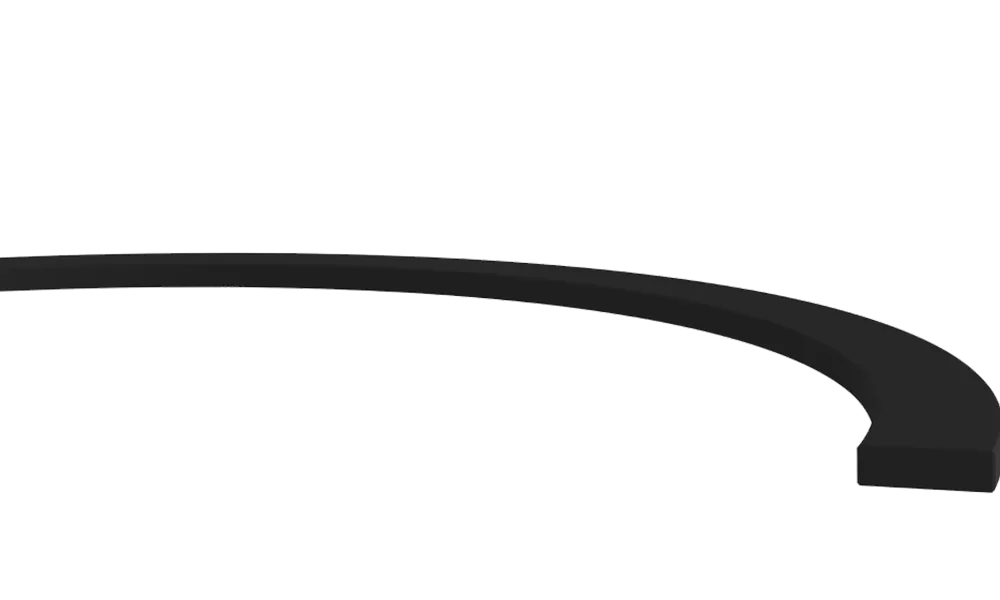
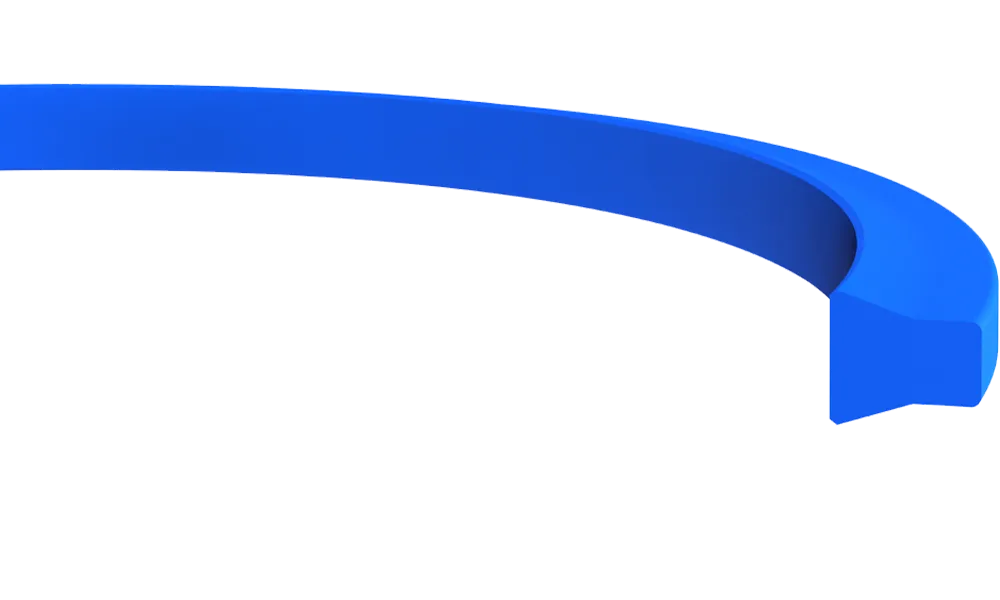
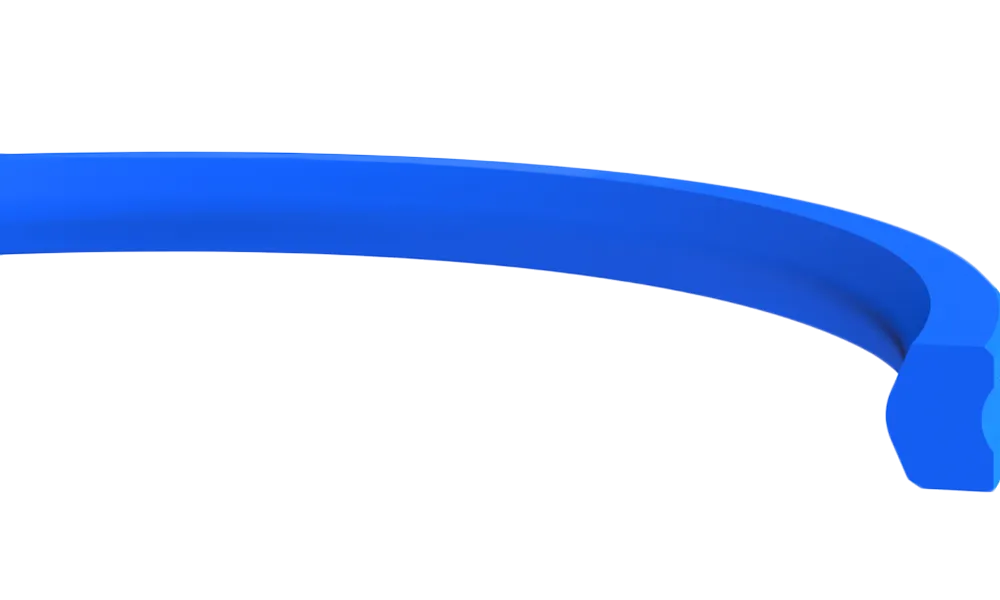
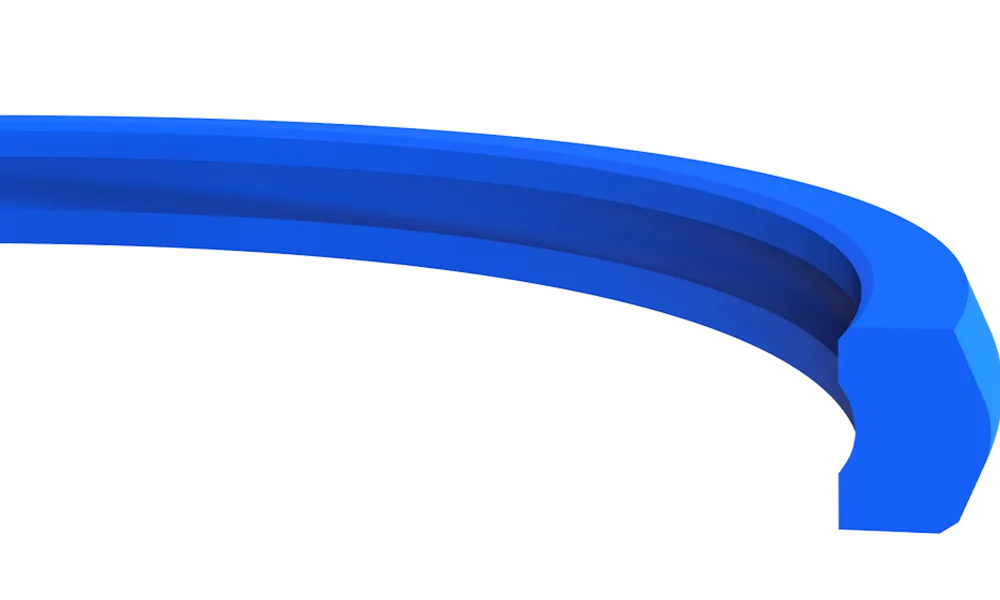
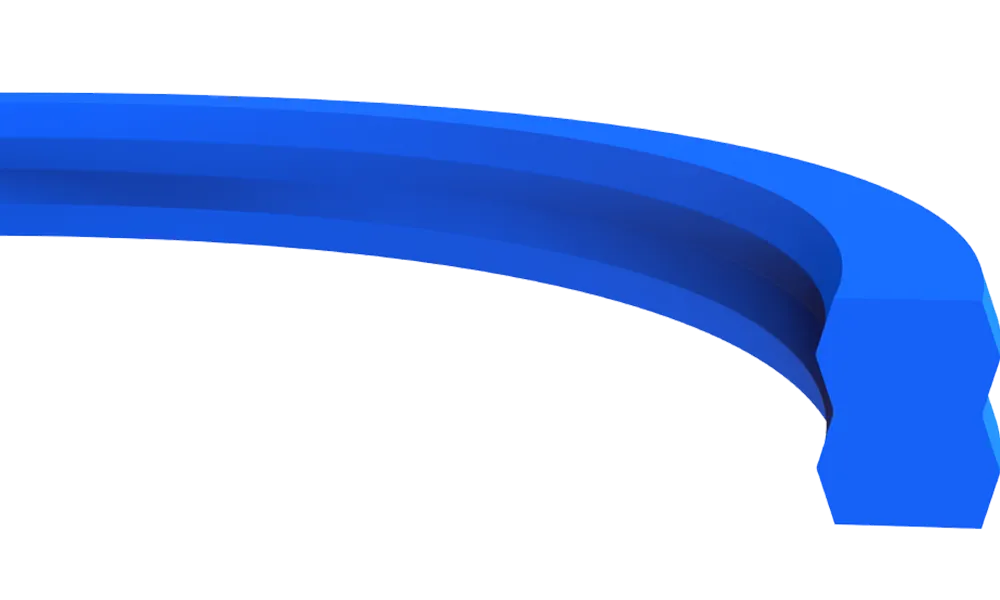
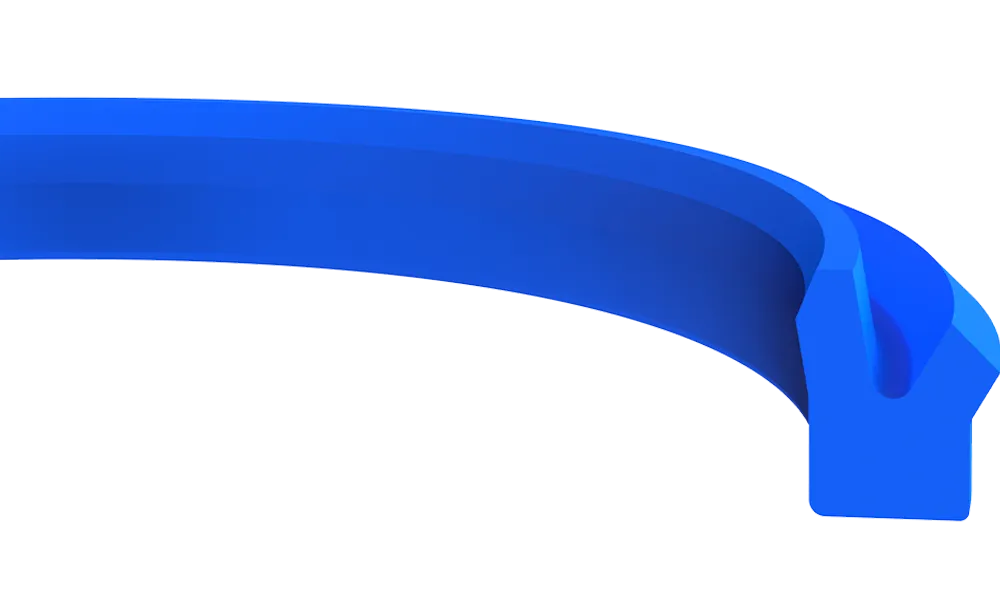
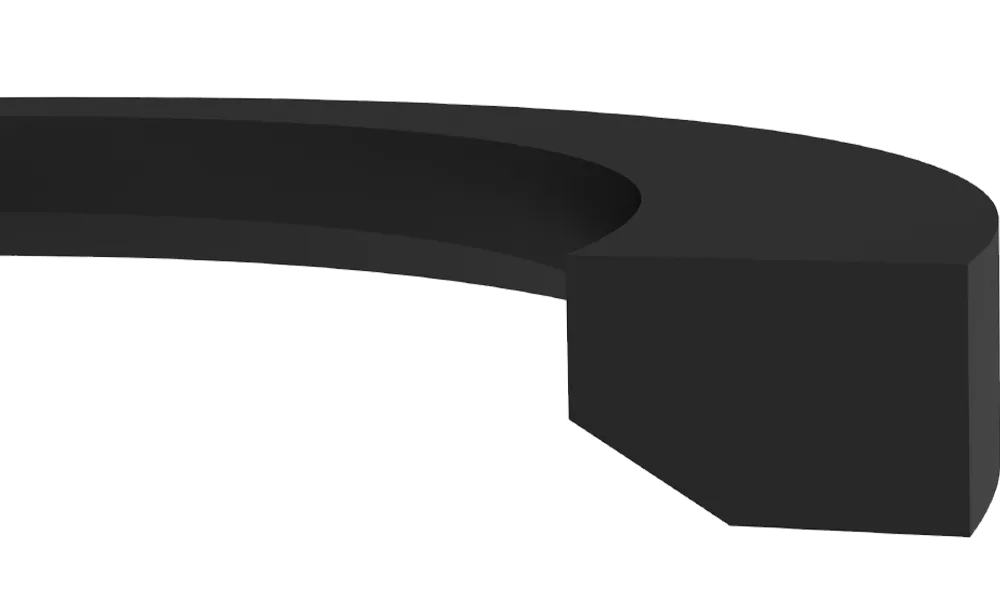
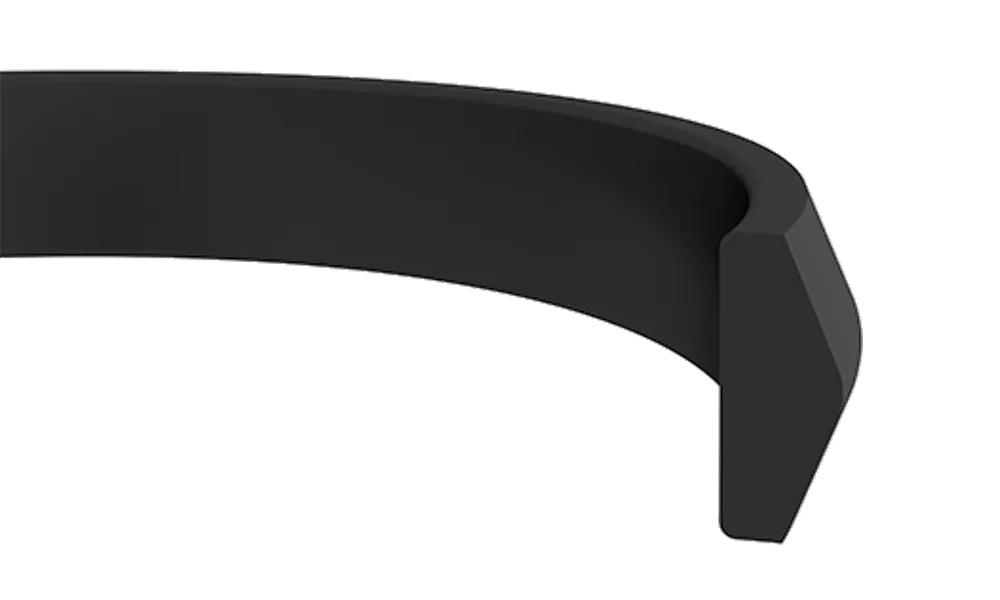
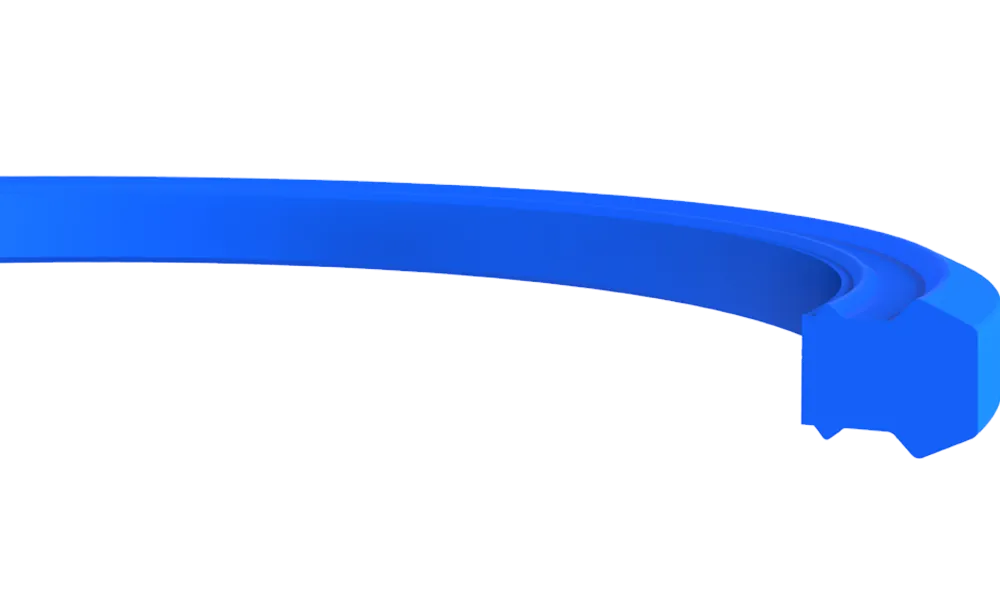
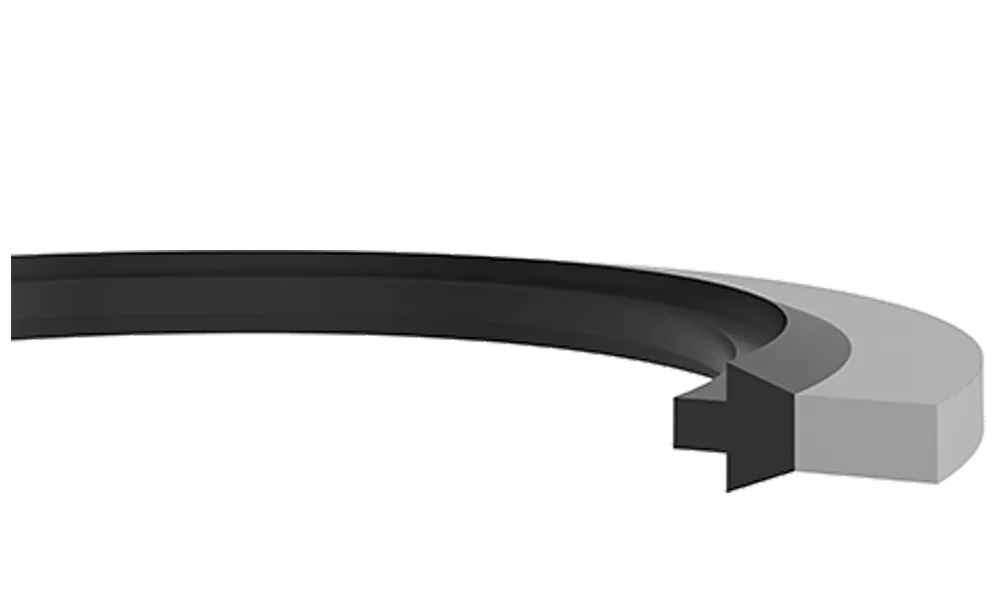
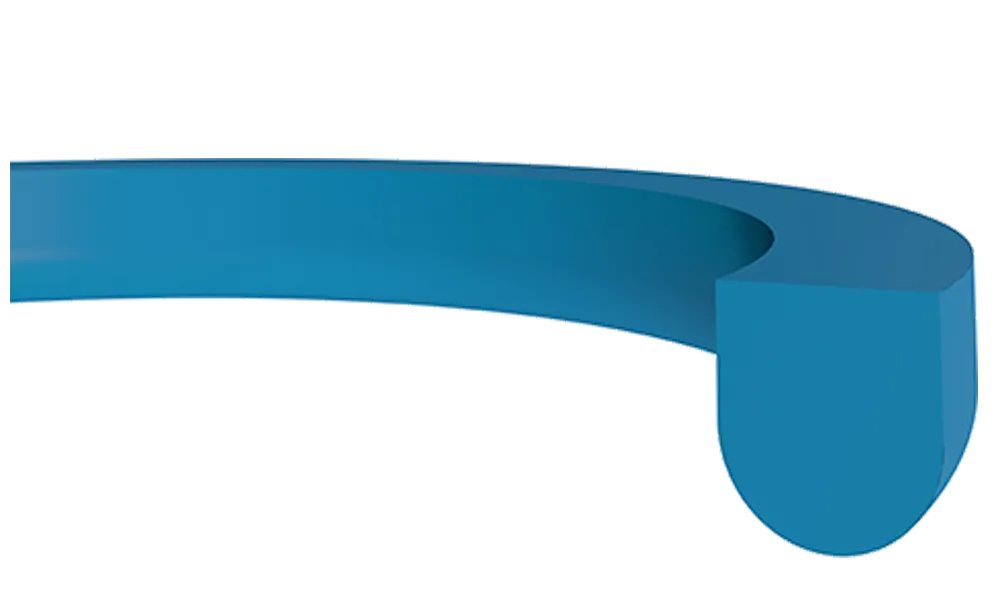
About static sealing elements
Static sealing elements prevent leaks between two surfaces that do not move relative to each other: flange joints, cylinder end caps, fittings, hydraulic block faces and threaded connections all belong to this group. With no motion, wear is secondary; what matters is the right squeeze, the groove geometry and compatibility between the material and the fluid.
In a static application the element is compressed on assembly to fill the surface irregularities, and as pressure rises it is pushed against the groove wall, reinforcing the seal by itself. That is why squeeze is critical: too little causes leaks, too much leads to compression set and early fatigue.
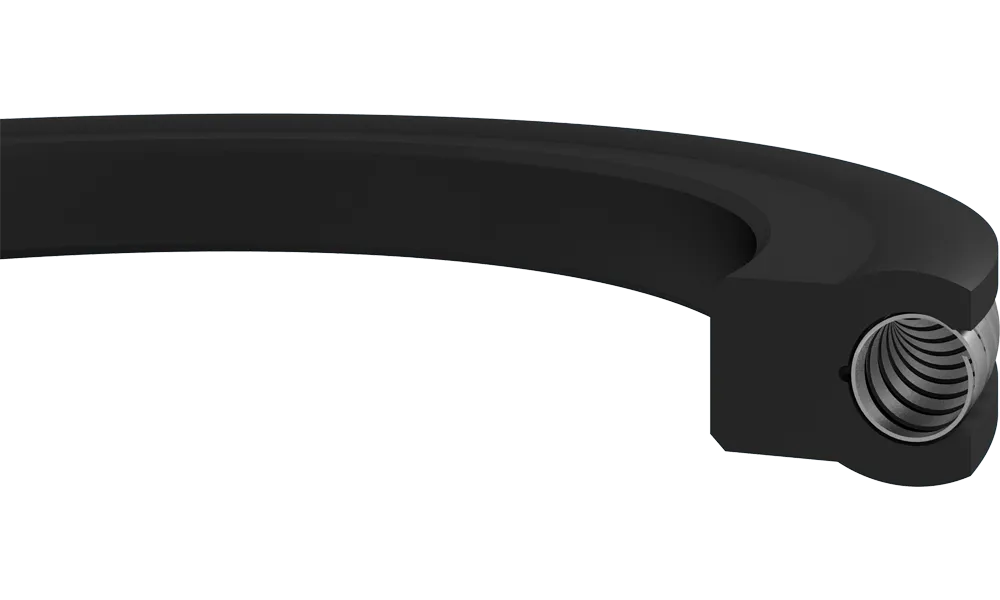
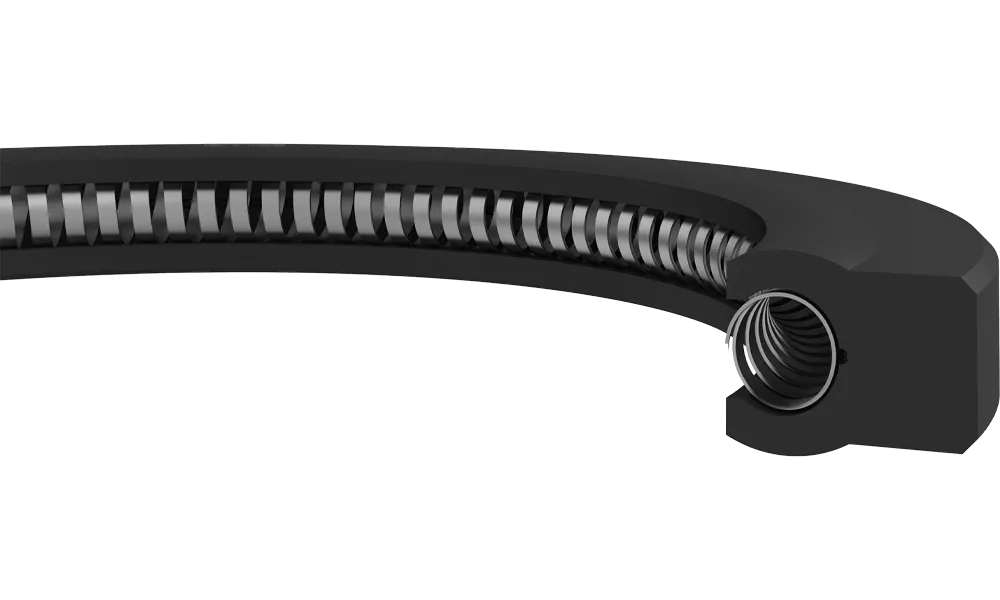
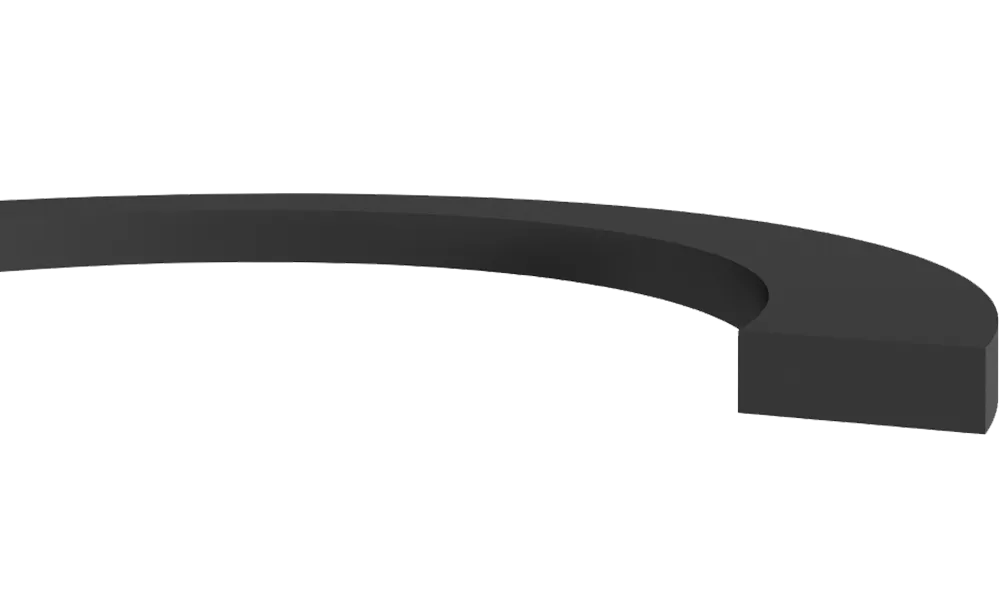
The category includes O-rings, X-rings, fitting and connection seals, back-up rings and specially profiled static elements. Material options cover NBR, PTFE, polyurethane (PU) and thermoplastic elastomer (TPE), plus spring-energised designs. NBR is the standard choice for mineral-oil systems; PTFE and spring-energised solutions are used for high temperatures and aggressive fluids.
Across the product tables in this category, operating limits reach up to 600 bar and span −70 °C to +260 °C. These values are the outer limits of the category; each product's own range is given on its page.
Applications include hydraulic block and valve faces, cylinder end-cap joints, pump housings, fitting and pipe connections and pressure vessel covers. In static applications fitting quality matters as much as product quality: clean, burr-free surfaces, seating the element without twisting and light lubrication with a compatible oil directly affect service life. An element that has been under pressure and taken a permanent set should not be reused.
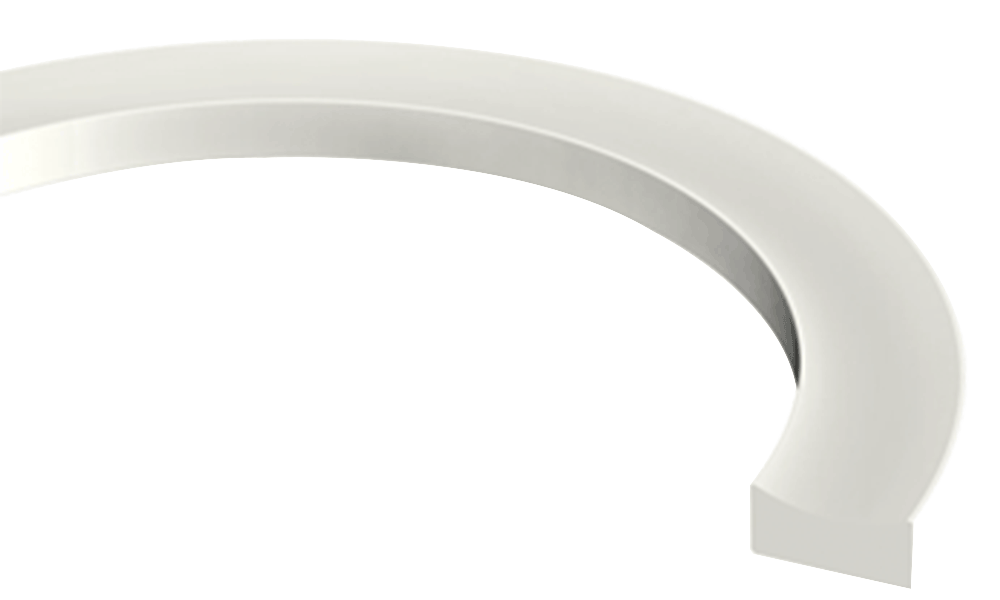
Back-up rings are widely used to stop the elastomer extruding into the clearance gap at high pressure. Our team in OSTİM, Ankara, can help with size, material and groove design.
Frequently Asked Questions
What is the difference between static and dynamic applications?
In a static application the sealing surfaces do not move relative to each other; in a dynamic one the rod or piston is constantly moving. The same element can be used in both, but expected life, surface finish and lubrication requirements differ.
What does a back-up ring do?
As pressure rises, the elastomer cross-section starts to flow (extrude) into the clearance at the joint. A back-up ring closes this gap, prevents extrusion and allows the seal to work at high pressure.
How tightly should the seal be compressed?
The squeeze is set by the groove geometry, not by the seal. In a correctly designed groove the element is compressed by exactly the right amount, so the groove dimensions (depth, width, corner radius) must comply with the standards. Send us your groove dimensions and we will choose the right element together.