
Hydraulic Rod Seals
19 products

Categories
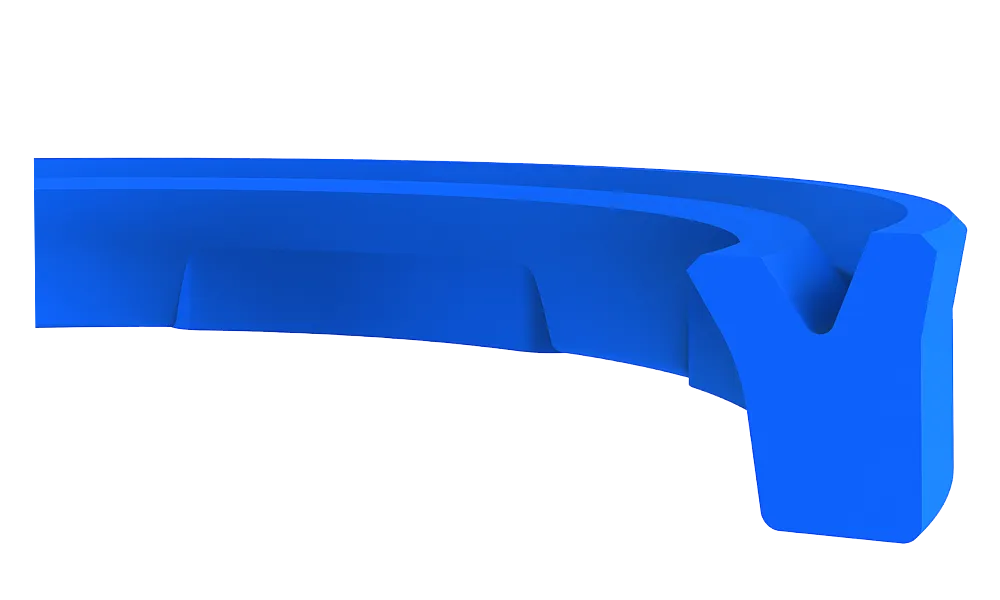
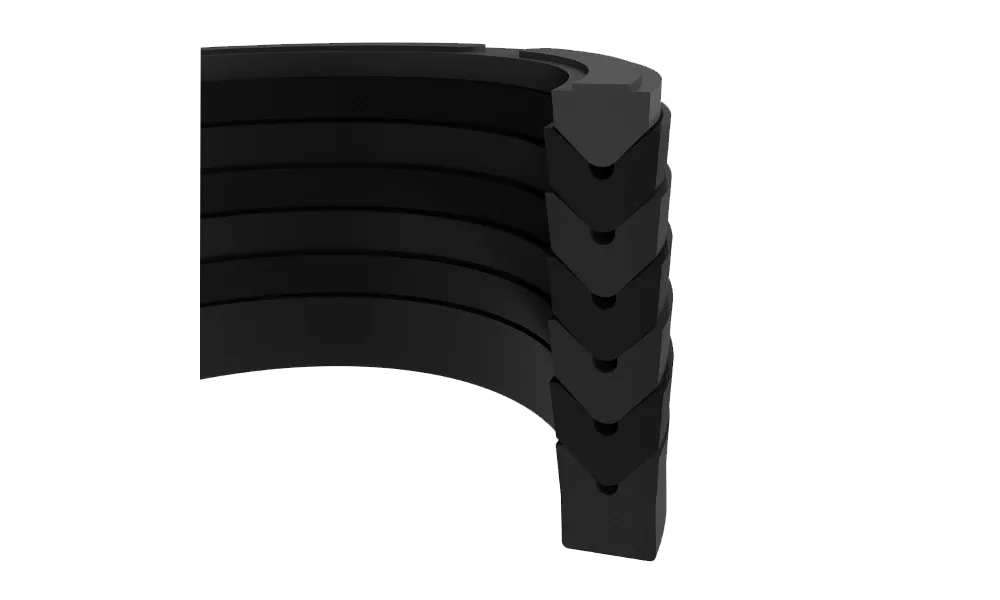
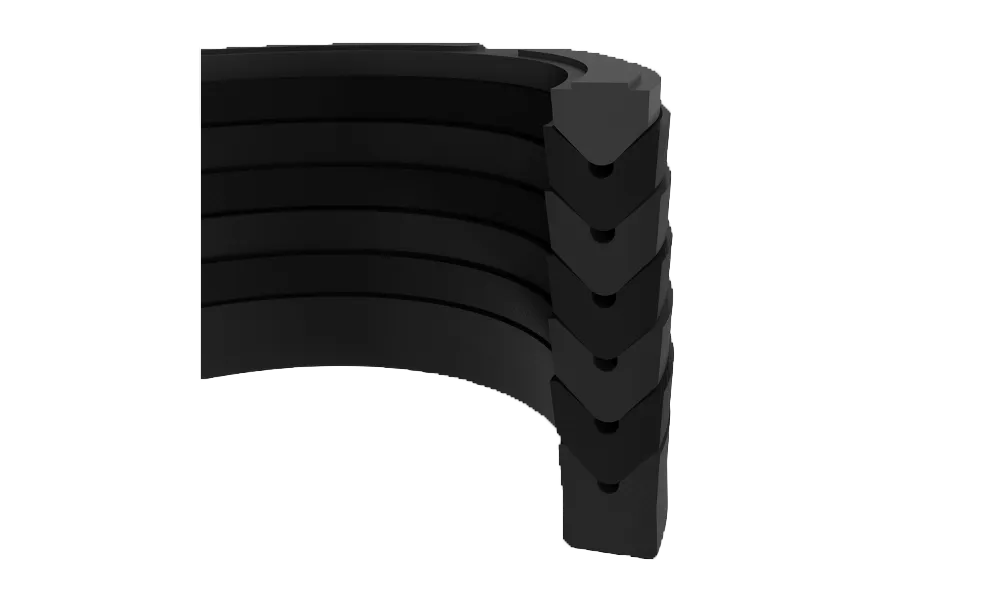
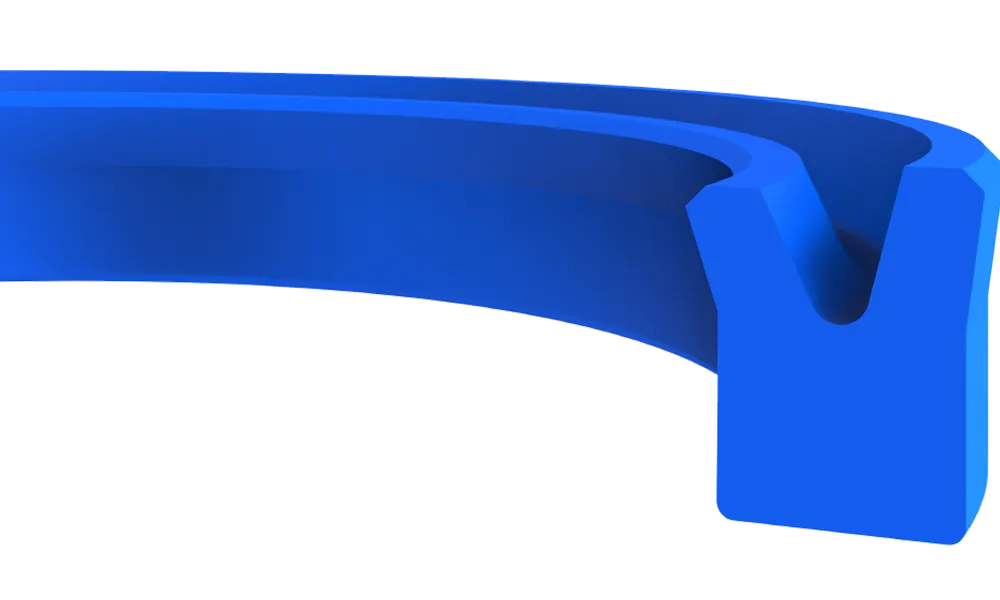
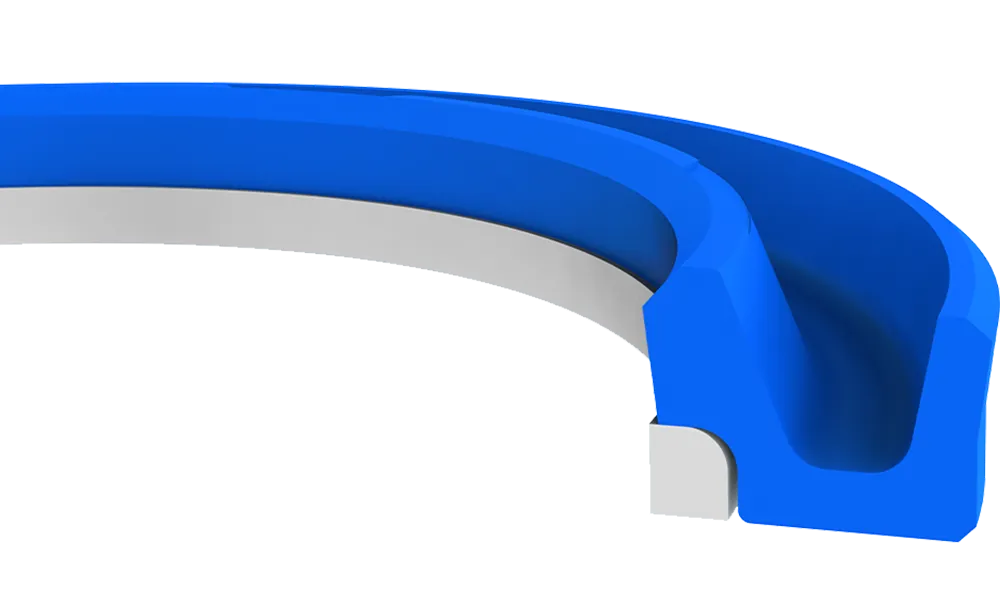
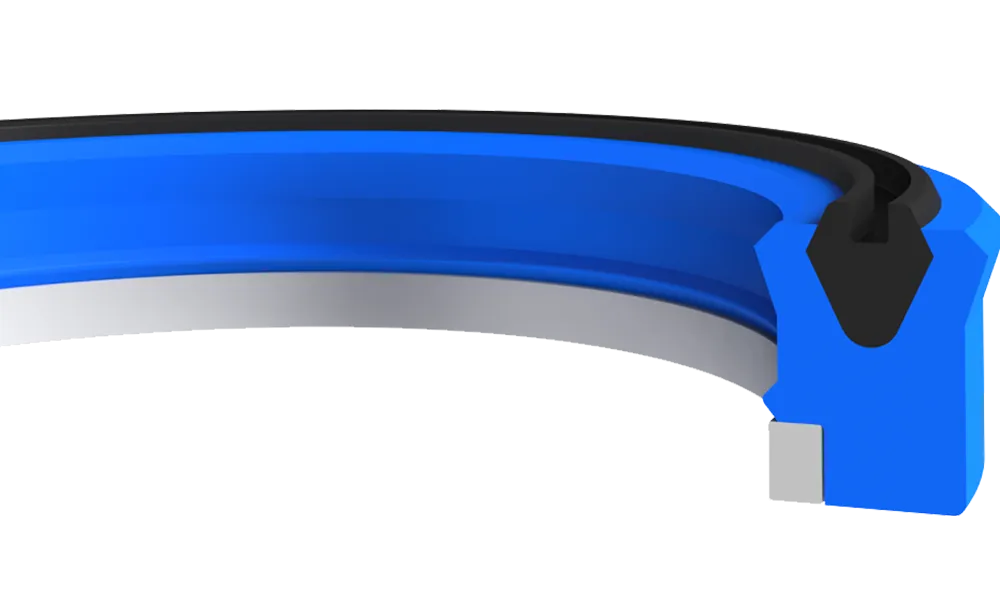
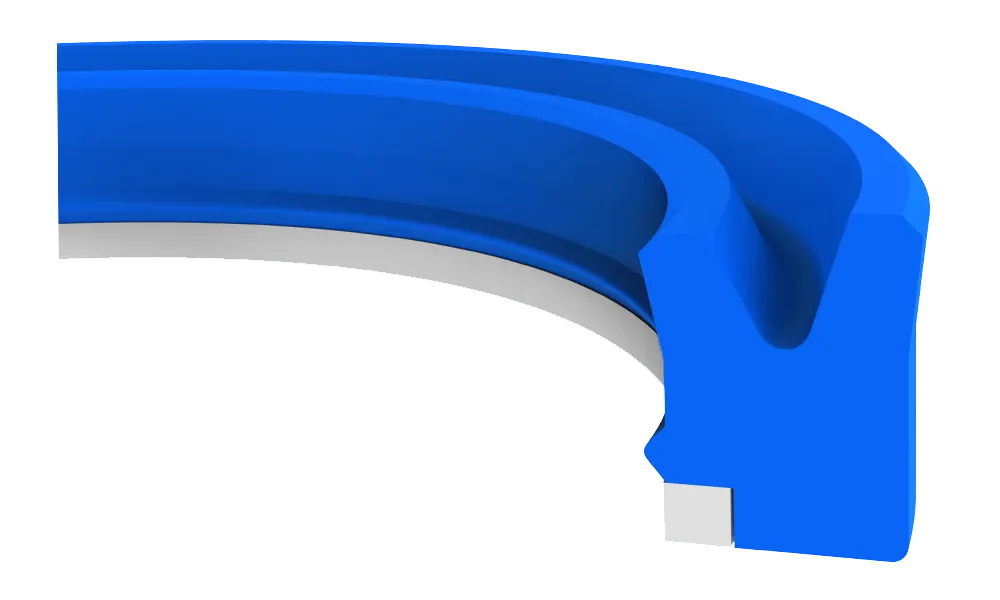
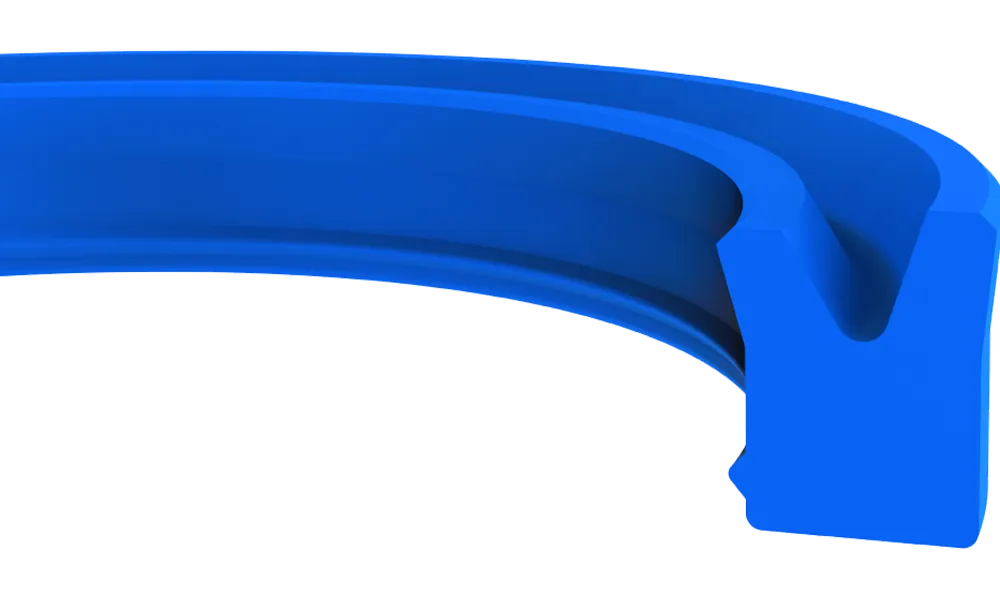
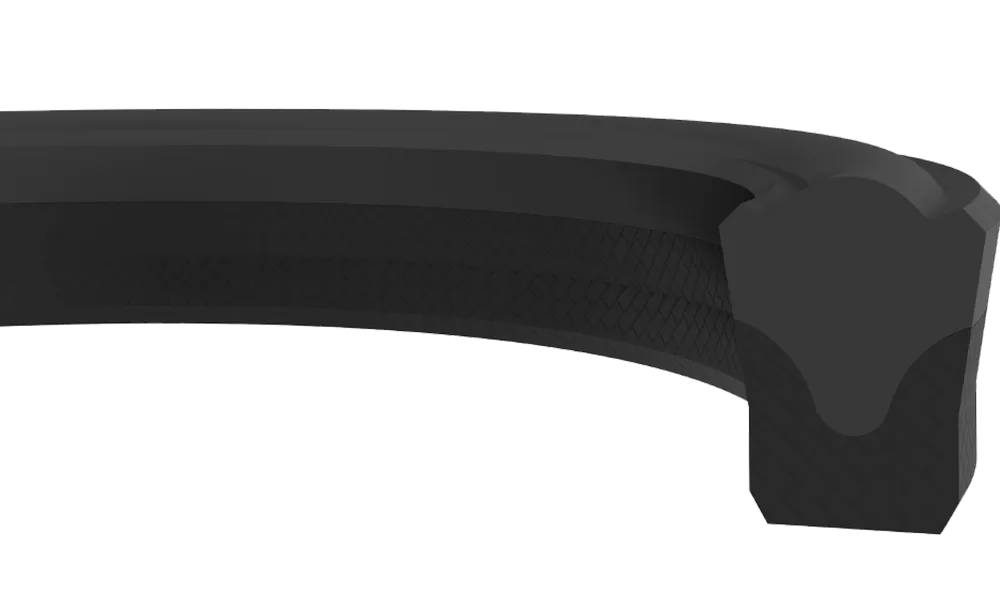
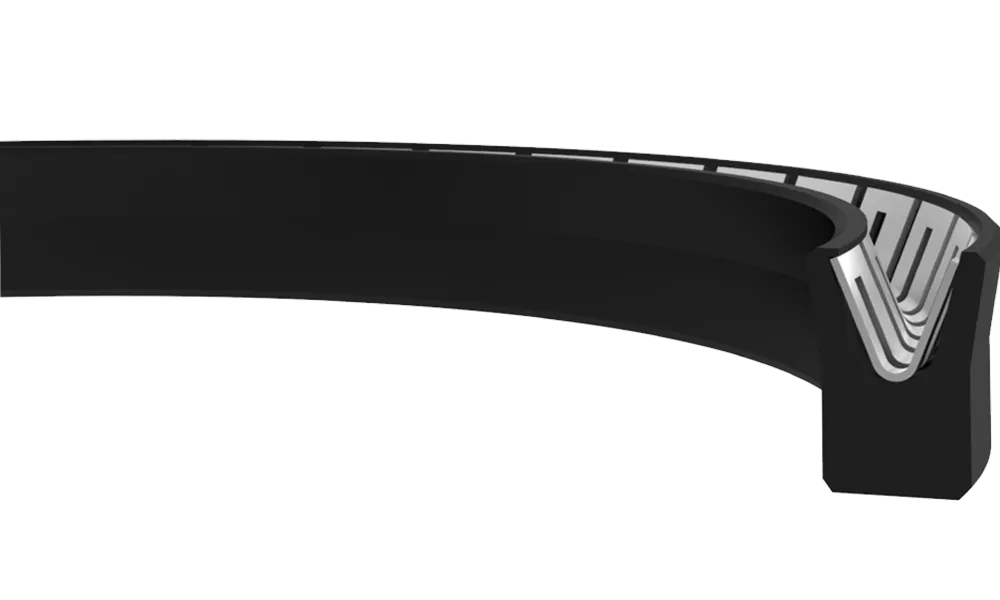
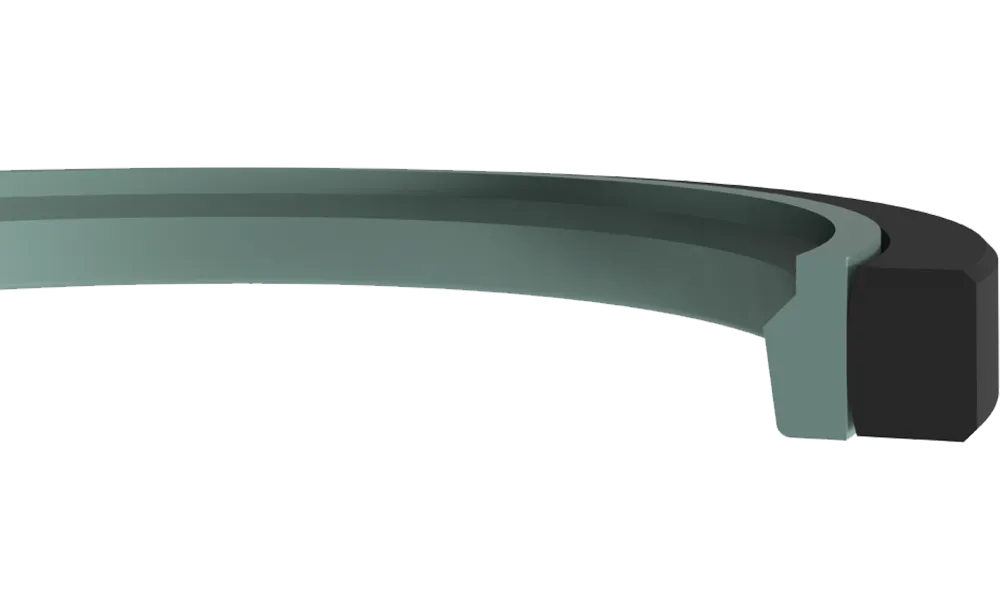
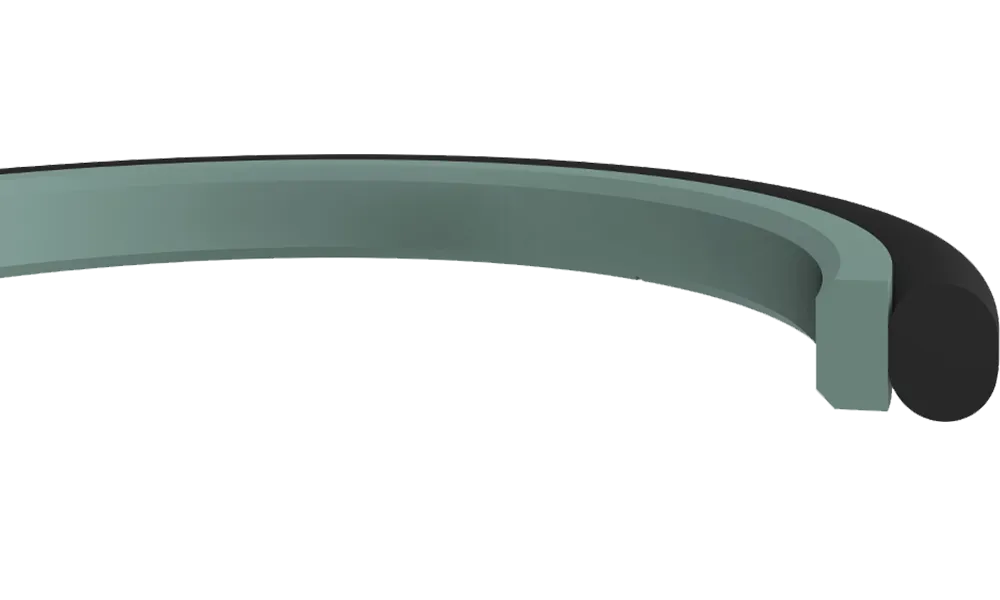
About hydraulic rod seals
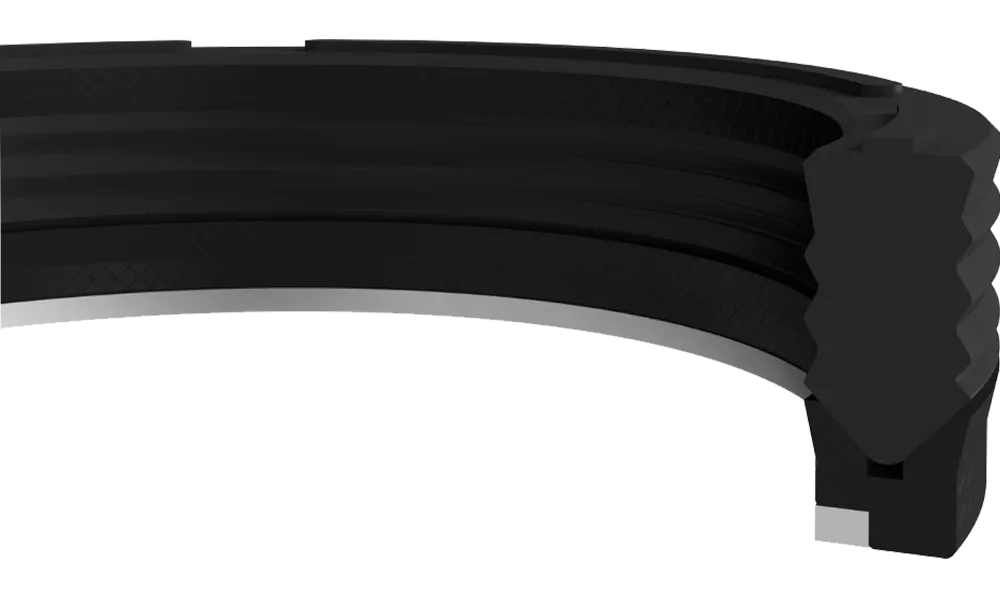
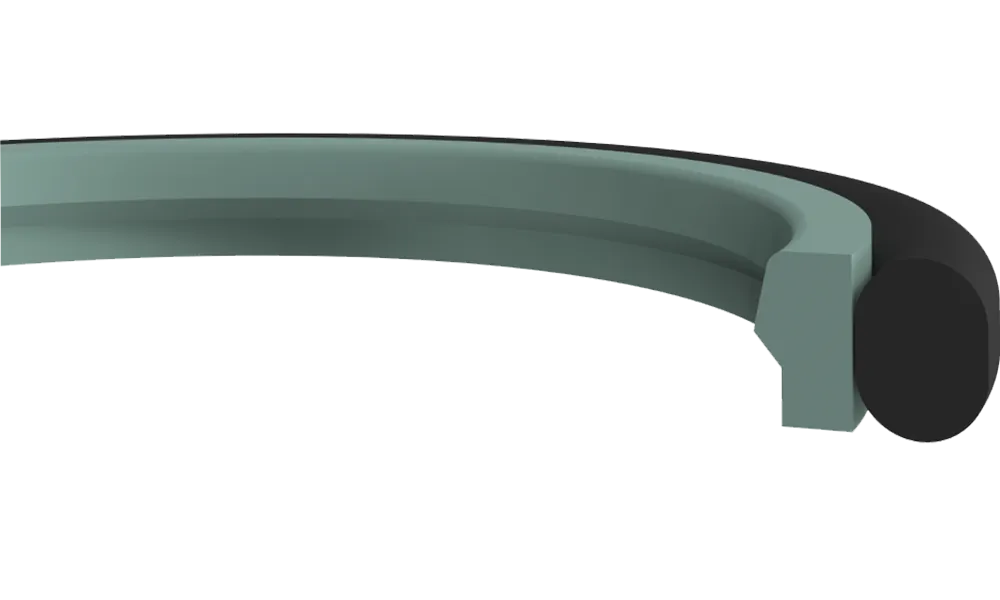
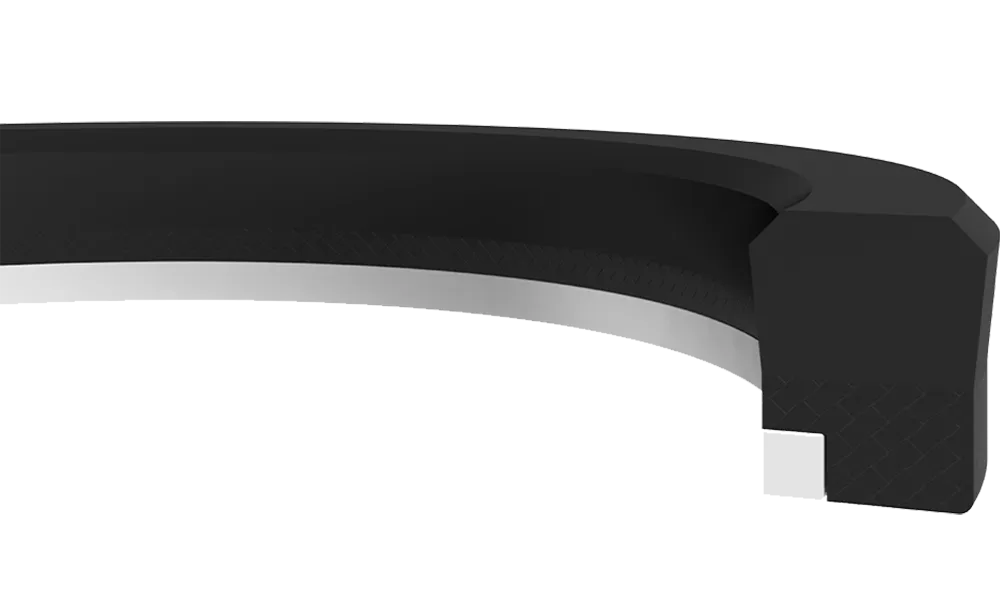
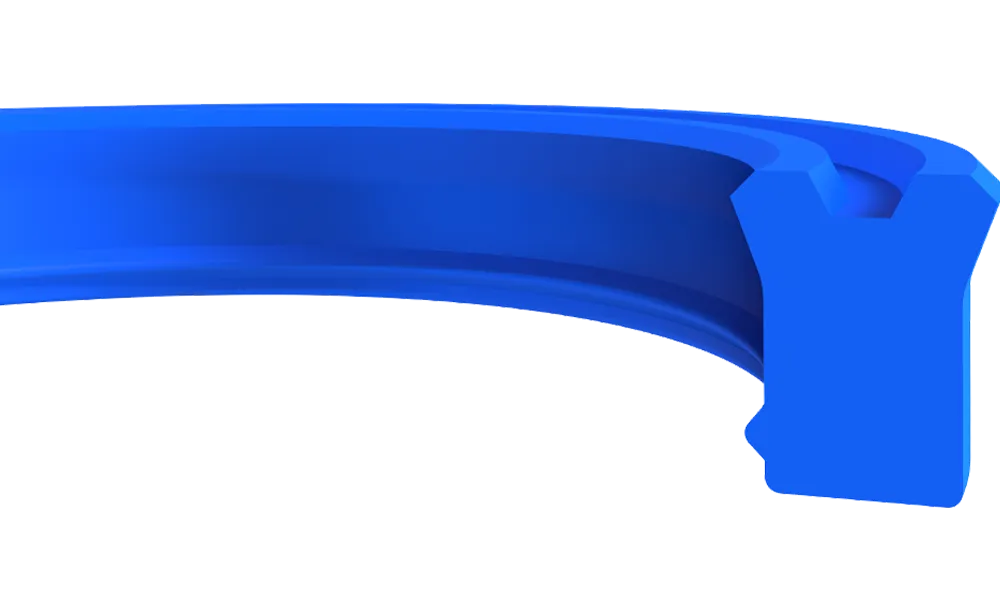
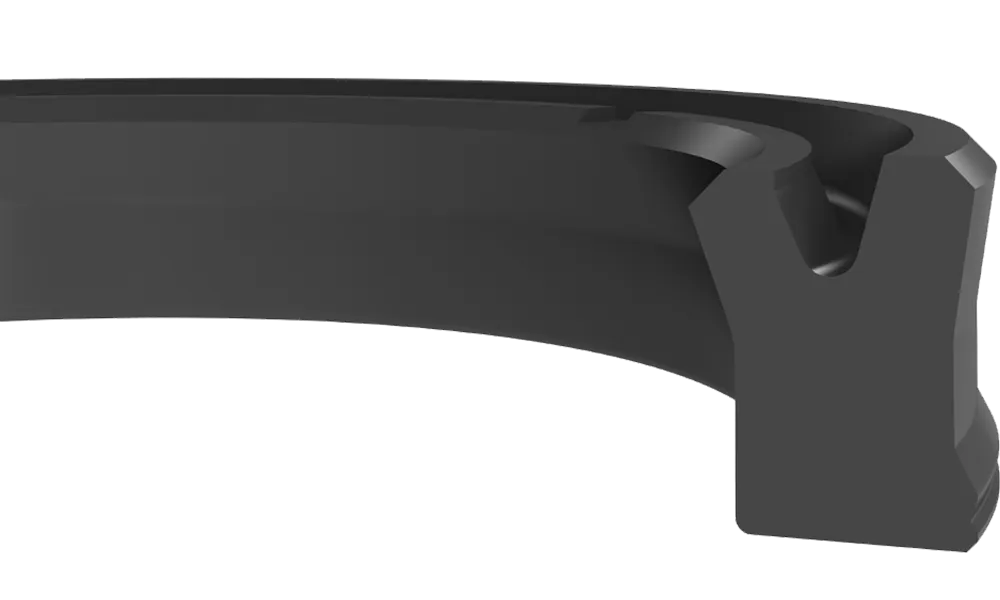
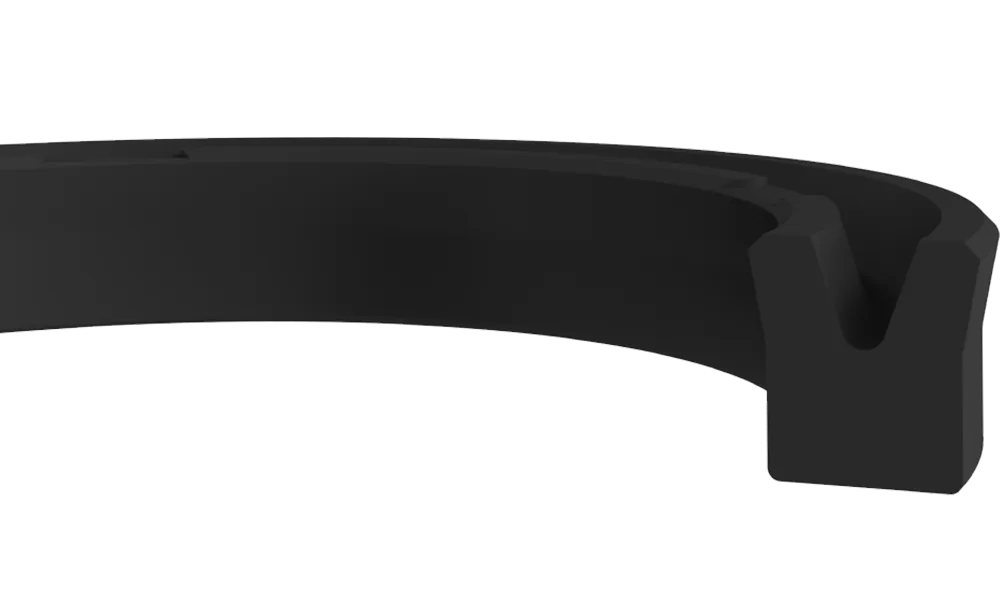
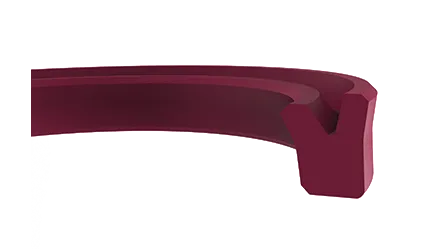
Hydraulic rod seals sit on the rod side of the cylinder and stop pressurised hydraulic oil from escaping. This is the most critical sealing point on a hydraulic cylinder: a leak here means not only lost oil but pressure drop, contamination of the surroundings and, very often, a machine that stops working.
A rod seal never works alone. The wiper keeps dust, mud and moisture out, while the rod seal keeps oil in; the thickness of the oil film left between them determines both sealing performance and the life of the rod surface. In heavy-duty applications a buffer ring or back-up ring is added between the two.
The profiles in this catalogue are made from polyurethane (PU), NBR, HNBR, PTFE, POM and thermoplastic elastomer (TPE), in one-piece, fabric-reinforced or spring-energised designs. Polyurethane is widespread in mobile hydraulics thanks to its high wear resistance and resilience. NBR is an economical, reliable choice for mineral-oil systems. Spring-energised PTFE profiles stand out where high temperature, low friction and broad chemical resistance are needed.
Across the product tables in this category, operating limits reach up to 700 bar and span −70 °C to +260 °C. This is the outer envelope of the whole category; each profile's own values are listed in the technical data table on its product page. A correct selection weighs rod diameter, housing diameter and groove width together with operating pressure, temperature, sliding speed and fluid type.
In practice these profiles are used in excavator and loader booms, tipper and platform cylinders, hydraulic presses and injection moulding machines, agricultural equipment and stationary hydraulic power units. Machines working outdoors tend to use polyurethane profiles and double-lip arrangements, while indoor stationary plants more often use low-friction PTFE solutions. When setting a maintenance interval, consider the cylinder's daily cycle count, operating temperature and how dirty the environment is.
Ada Kauçuk supplies rod seals from its base in OSTİM, Ankara, and provides technical support in choosing size and material.
Frequently Asked Questions
What is the difference between a rod seal and a wiper?
A rod seal stops oil leaking from the inside out; a wiper stops dust, mud and moisture getting in from the outside. Both work together on the same cylinder, one behind the other along the rod axis, and one cannot replace the other.
Should I choose polyurethane or NBR?
Polyurethane stands out in mobile hydraulics with shock loads and high pressure, where high wear resistance and resilience are needed. NBR is an economical choice for standard mineral-oil systems. Temperature, fluid type and pressure should be considered together; if in doubt, send us the part code and your operating conditions.
How do I determine the size?
Three dimensions define a rod seal: rod diameter, housing diameter and groove width. If the code on the removed seal is legible it can be matched directly; if not, measure these three dimensions with a calliper and send them to us.
When are spring-energised PTFE profiles needed?
They are chosen for high temperatures, where low friction is required, at high sliding speeds, or with fluids that elastomers cannot withstand. Their temperature range is considerably wider than that of standard elastomer seals.