
Pneumatic Rod Seals
11 products

Categories
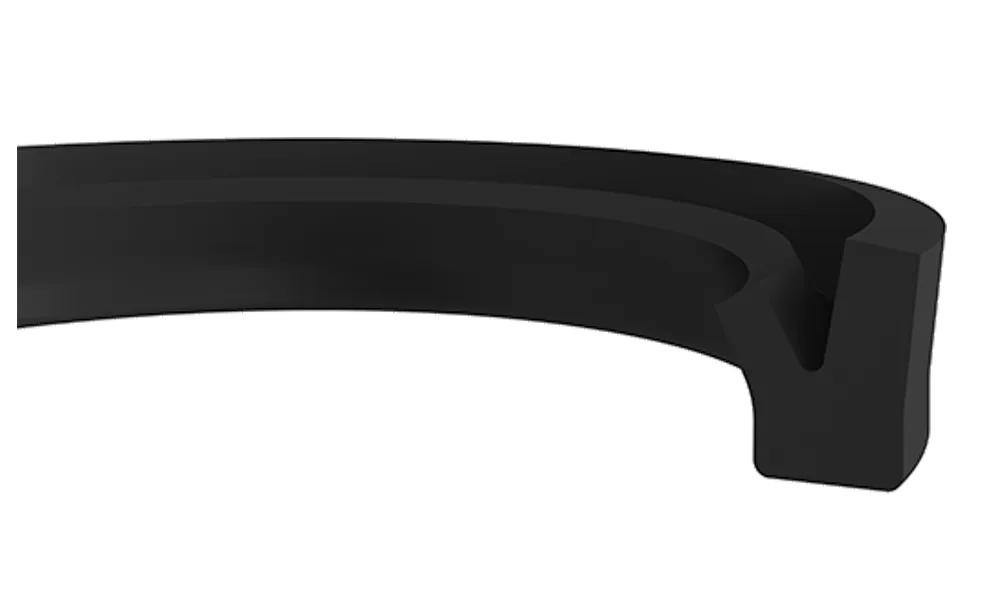
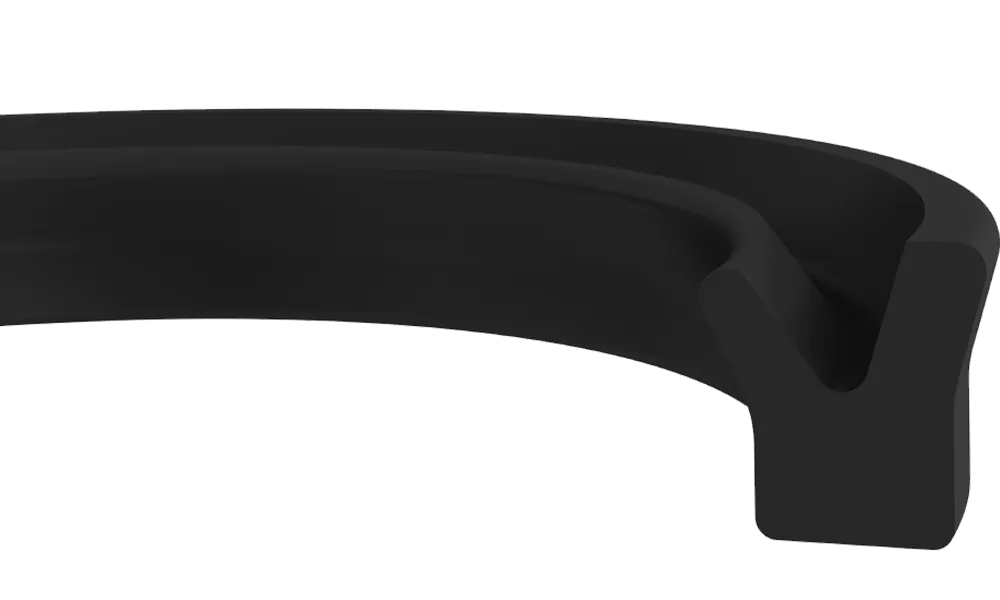
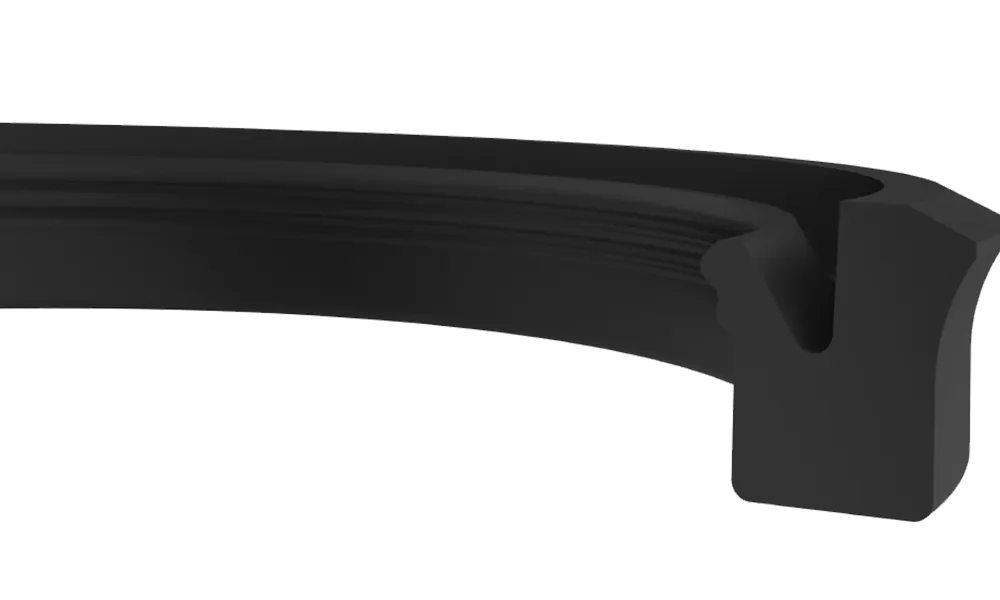
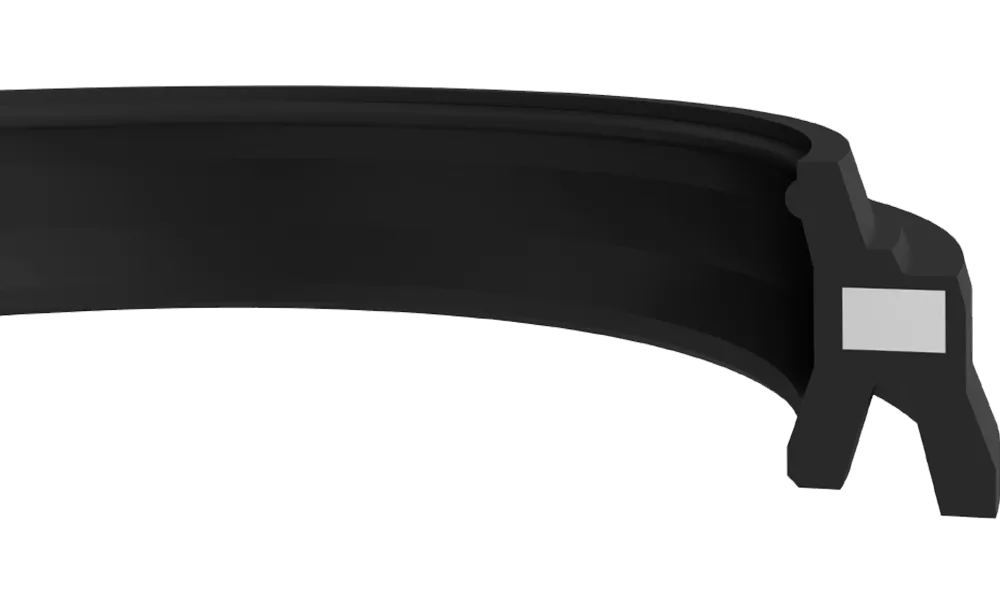
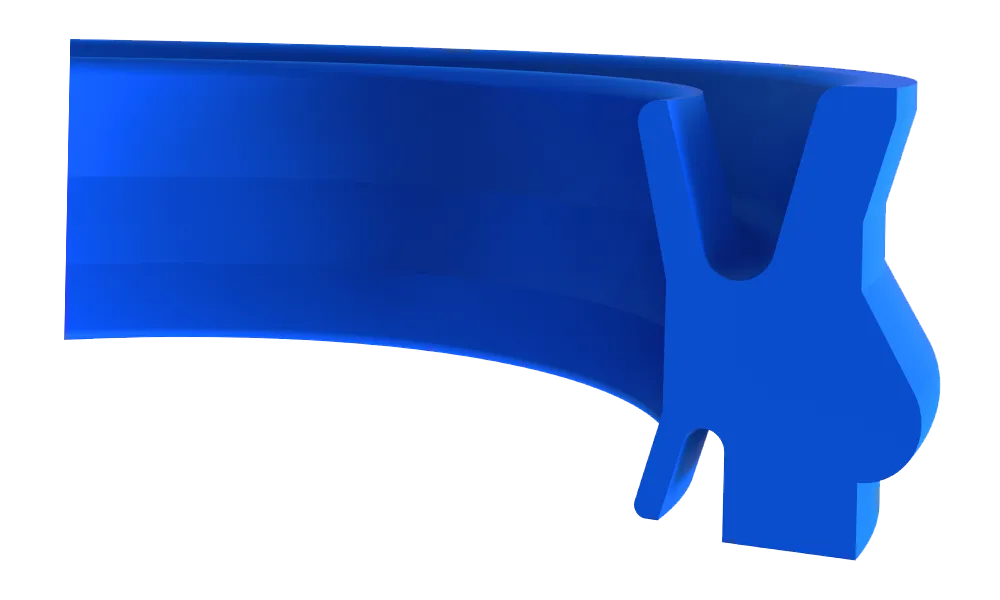
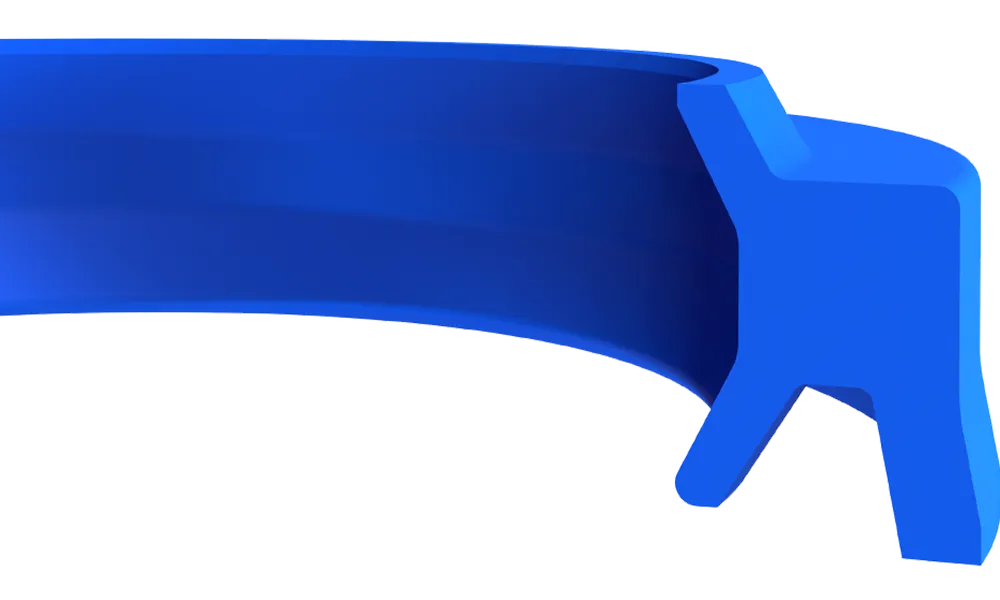
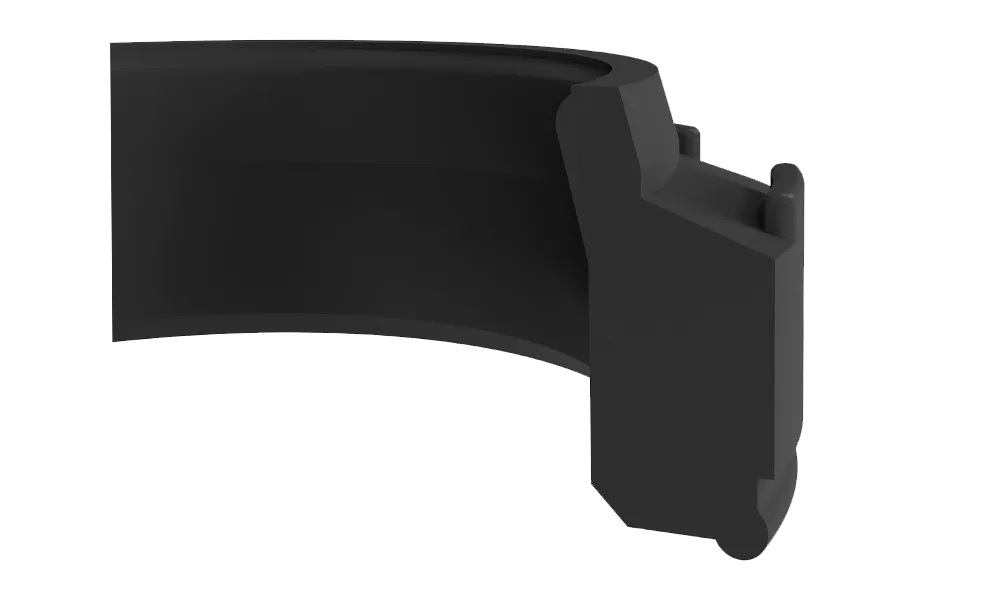
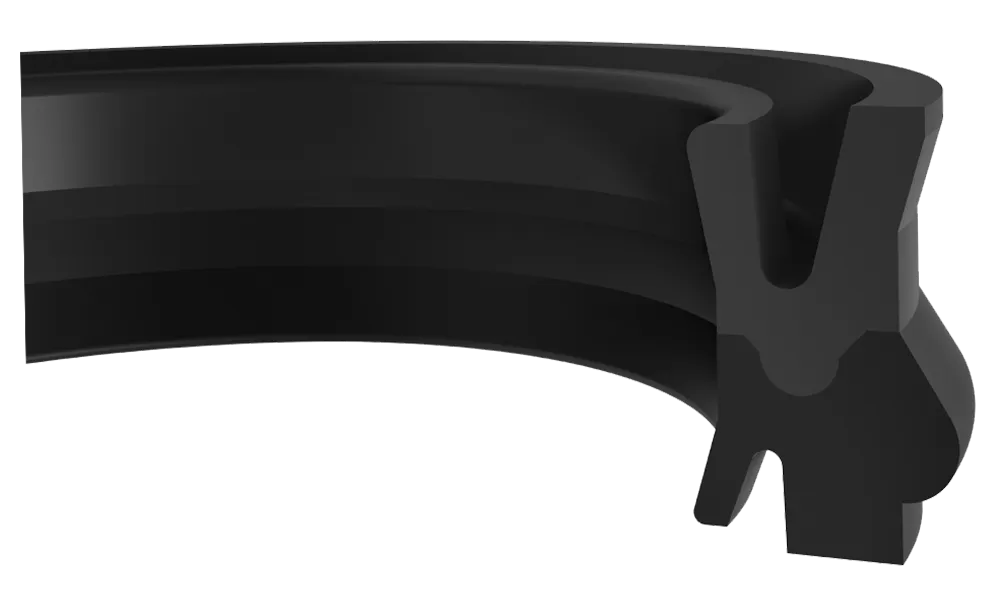
About pneumatic rod seals
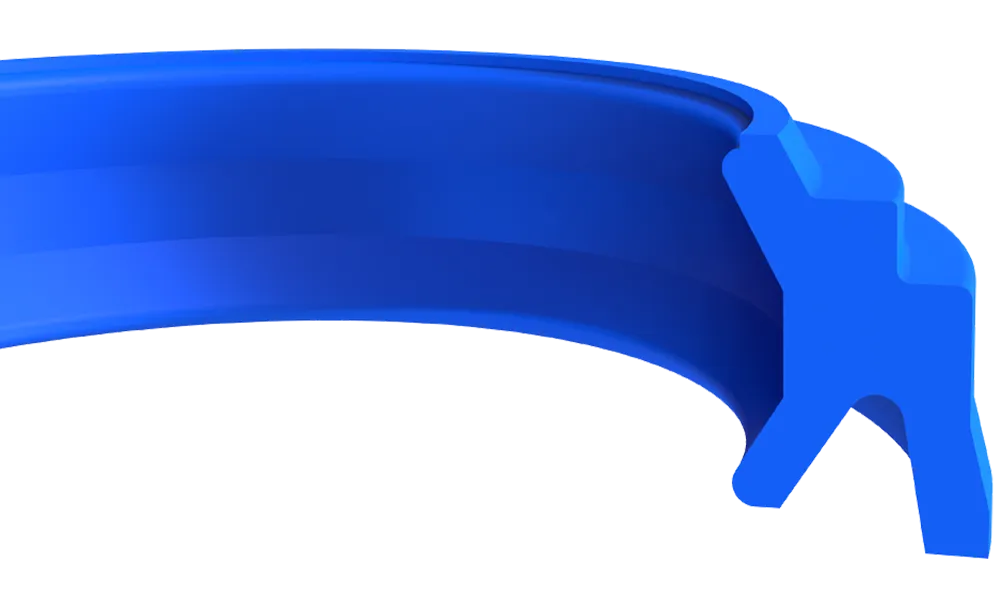
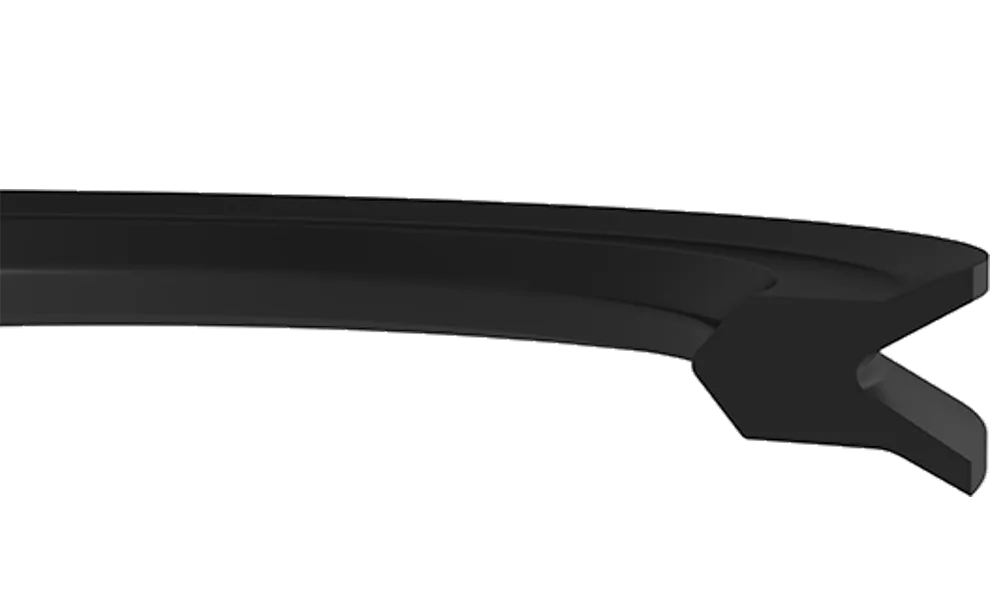
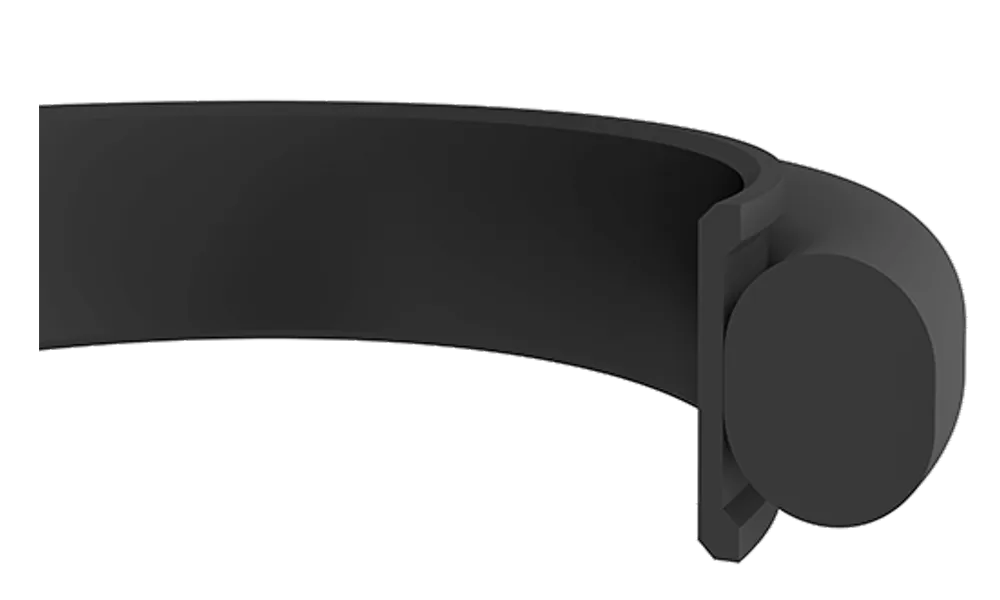
Pneumatic rod seals prevent air leakage on the rod side of cylinders powered by compressed air. The key difference from hydraulics is that operating pressure is low while the number of cycles is very high. In pneumatics, therefore, the deciding criteria are low friction and long cycle life rather than pressure resistance.
Low friction matters for two reasons. First, high friction makes the cylinder stick at the start of a movement and then jump (stick-slip), which ruins positioning accuracy. Second, friction generates heat and accelerates wear of both the seal and the rod surface. Pneumatic profiles are therefore designed with thinner lips and lower contact pressure.
Products in this category are available in NBR, polyurethane (PU), PTFE and thermoplastic elastomer (TPE), some with sheet-metal reinforced bodies. Systems running on lubricated air have different needs from those using oil-free (dry) air: with dry air, self-lubricating PTFE solutions come to the fore.
Across the product tables in this category, operating limits reach up to 16 bar and span −35 °C to +105 °C. These are the outer limits of the category; each profile's own range is given separately in the technical table on its product page.
These profiles are used in cylinders on assembly and packaging lines, pneumatic presses and gripping systems, and in textile, food and packaging machinery. In the food and pharmaceutical sectors the cleaning regime and chemicals used directly affect material choice; on lines that are washed frequently, resistance to water and detergents can matter more than oil resistance. On lines with high cycle counts, choosing a low-friction profile noticeably extends seal life.
Send us the rod diameter, groove diameter and groove width, and tell us whether your line is lubricated or oil-free, and we will supply the right profile from our base in OSTİM, Ankara.
Frequently Asked Questions
Can a hydraulic seal be used in a pneumatic cylinder?
Not recommended. Hydraulic profiles are designed for high pressure and have high contact pressure; in a low-pressure pneumatic system they cause excessive friction, heat and premature wear. The oil film also does not form in pneumatics the way it does in hydraulics.
Which material should I choose for an oil-free (dry) air line?
Where there is no lubrication, self-lubricating PTFE profiles and special low-friction compounds are preferred. Standard elastomer profiles wear faster in dry air.
Why does my cylinder stick at the start of its movement?
Sticking on the first movement after a standstill, followed by a jump, is called stick-slip and is usually caused by high friction. A low-friction profile and proper lubrication reduce this behaviour.
Is a wiper needed in pneumatics too?
Yes, if the cylinder works in a dusty, chip-laden or humid environment. In clean indoor applications the wiping lip on some profiles can do this job on its own; tell us about the environment and we will work out the right arrangement together.