
Wipers
24 products

Categories
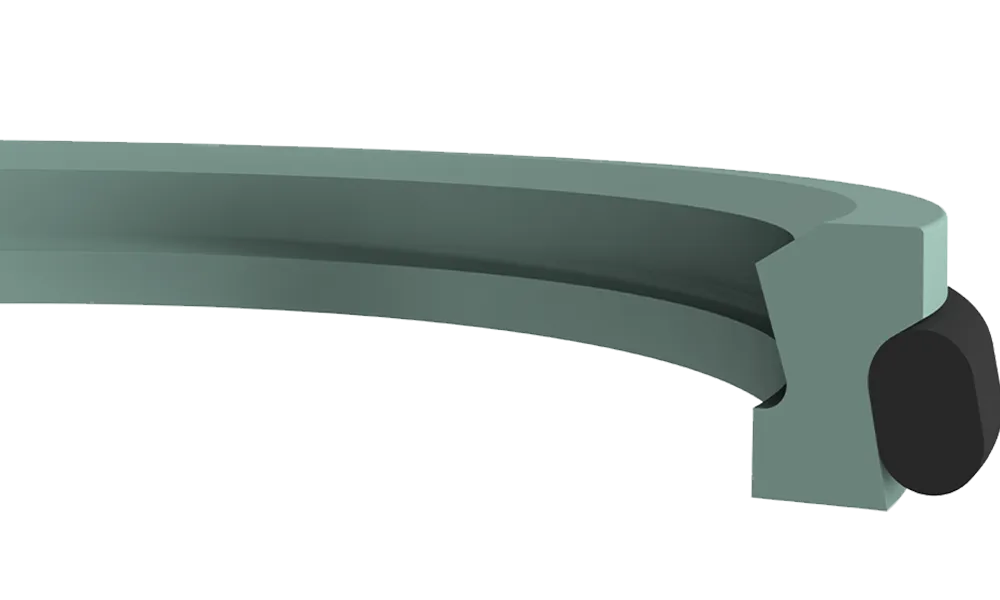
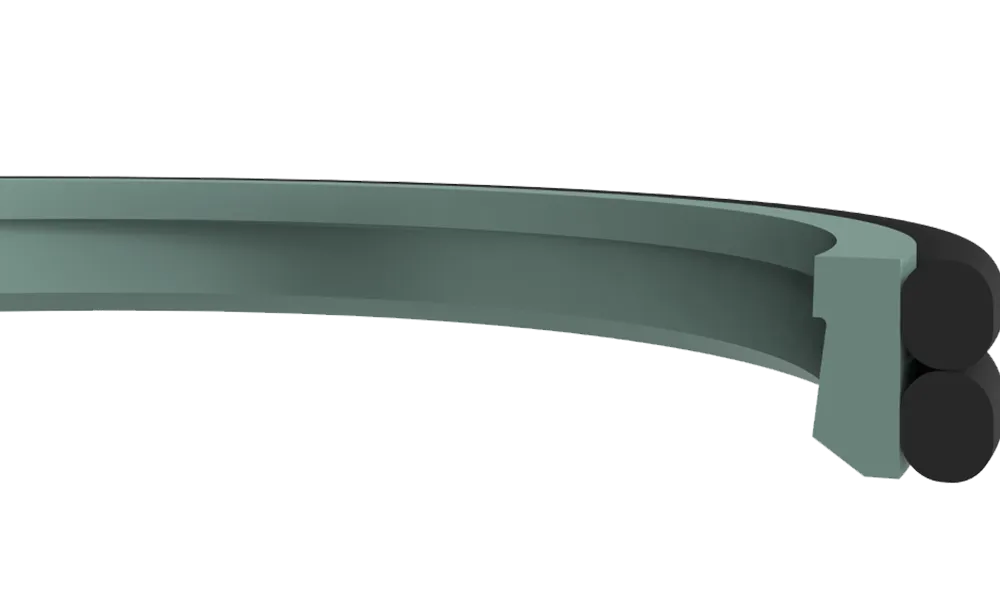
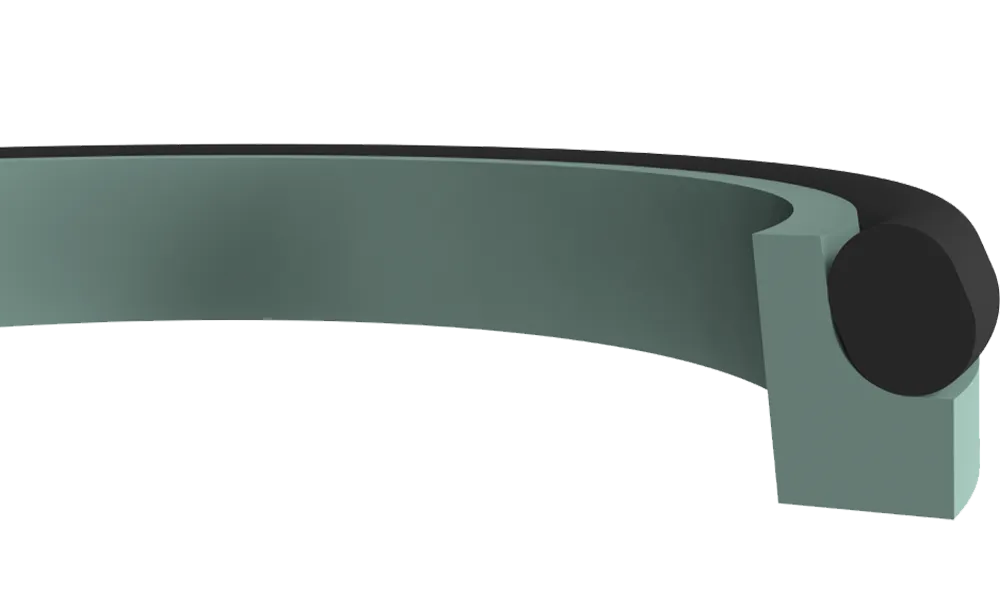
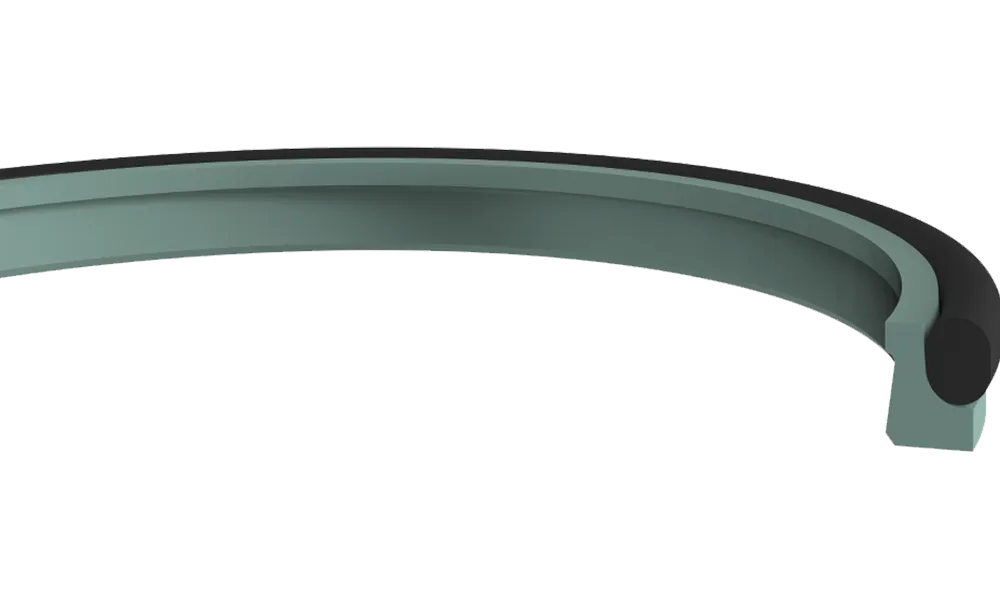
About wipers
Wipers scrape dust, mud, chips, sand and moisture off the exposed surface of the rod on hydraulic and pneumatic cylinders and stop them entering the system. Their job is protection, not sealing: a single particle of dust that gets in can quickly scratch both the rod seal and the rod surface, turning into a far more expensive failure.
The wiper is often the single element that most determines cylinder life. In construction machinery, agricultural equipment, mining and building applications, cylinders are exposed directly to mud and dust; the profile chosen here determines both how aggressively the seal scrapes and the oil film it leaves on the rod.
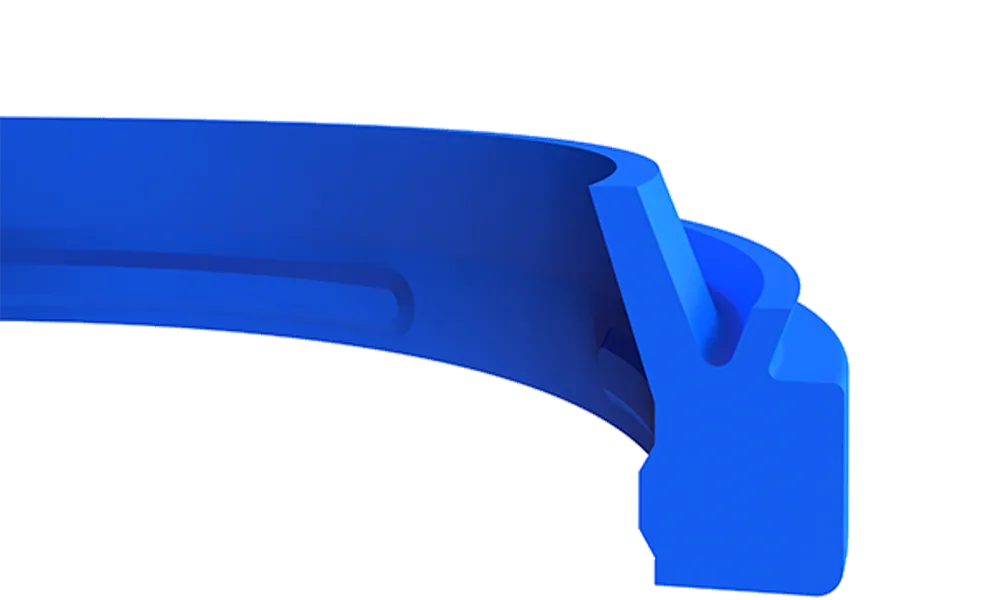
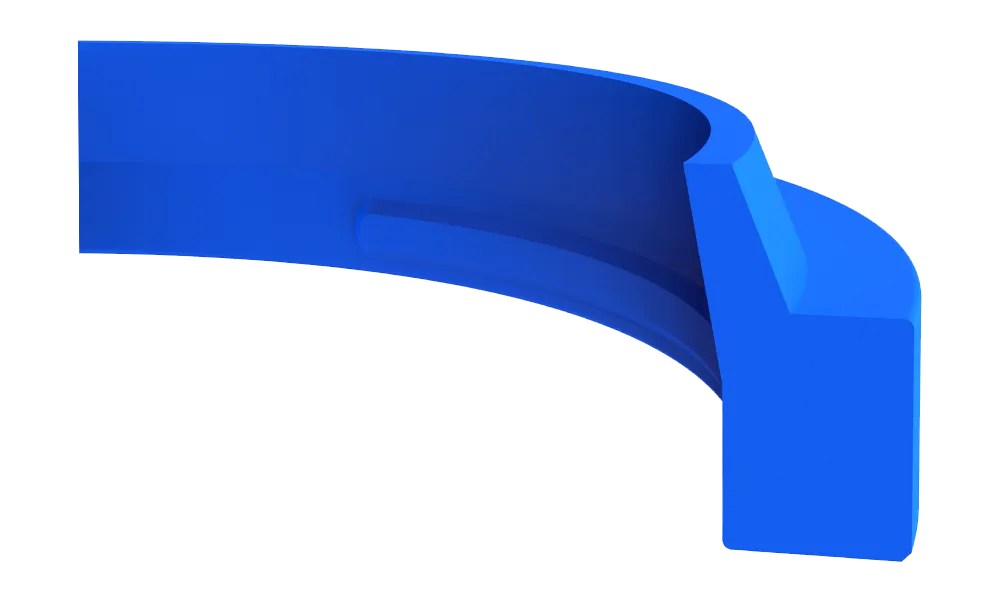
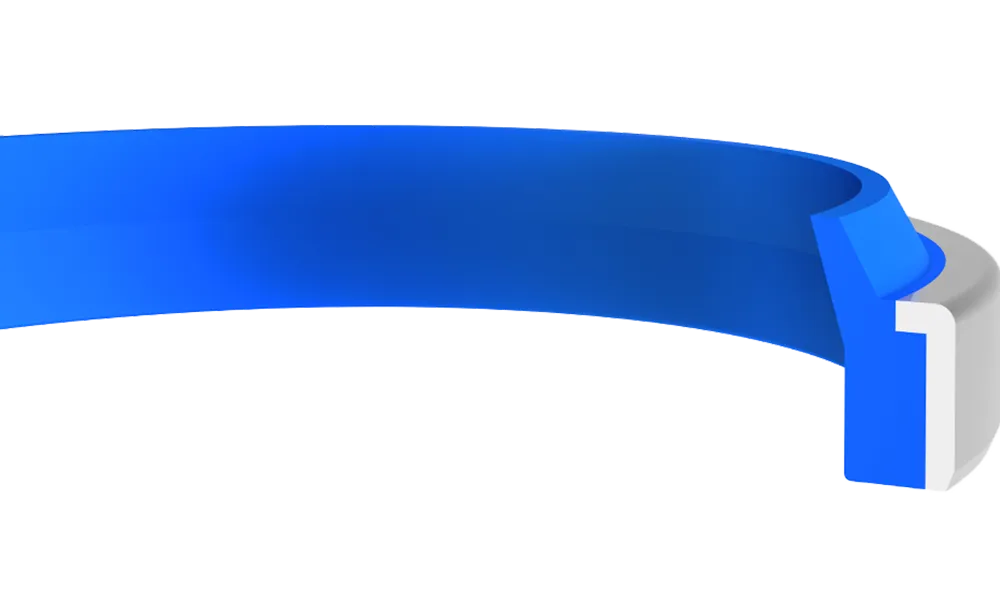
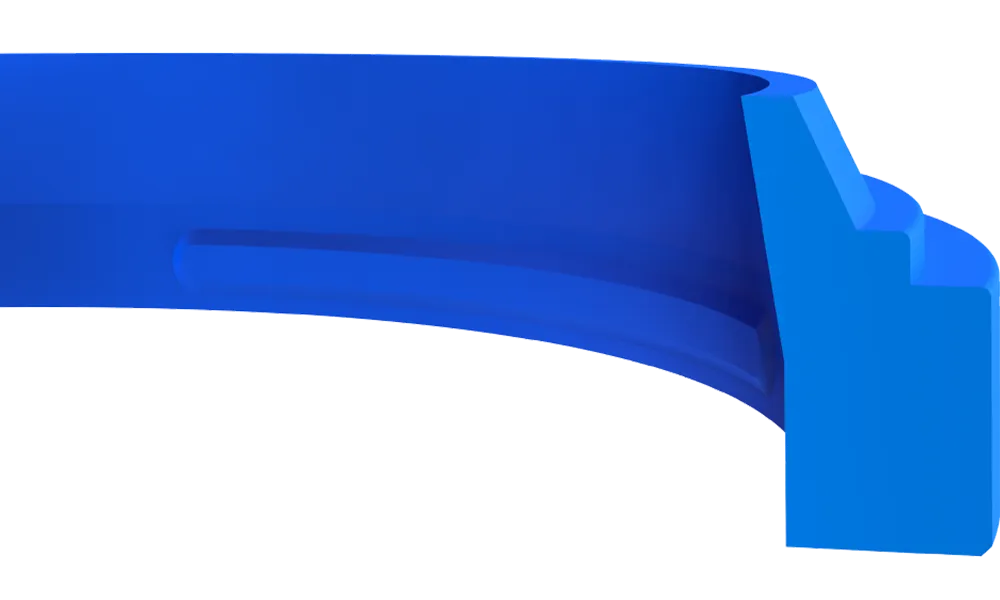
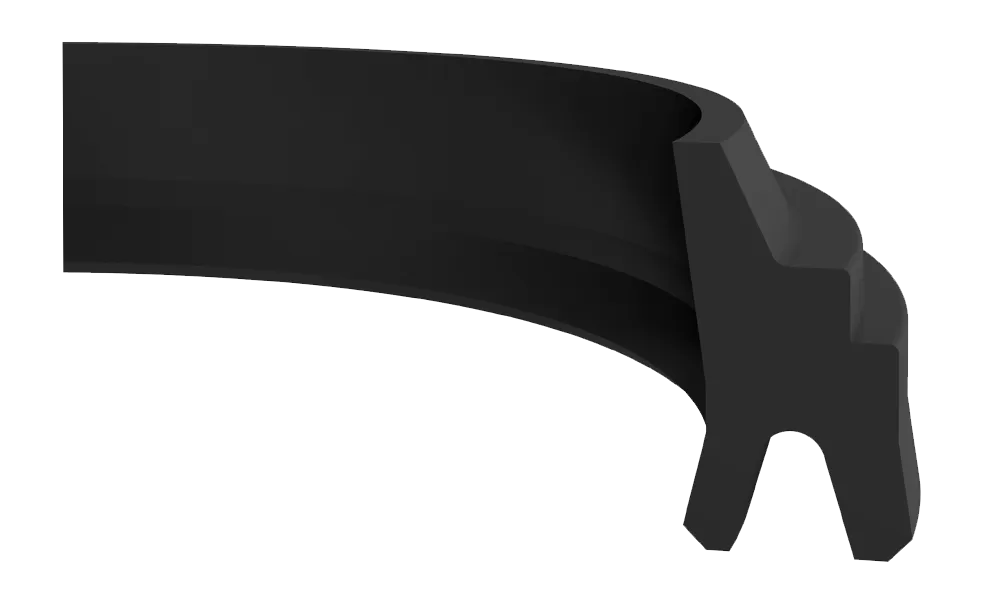
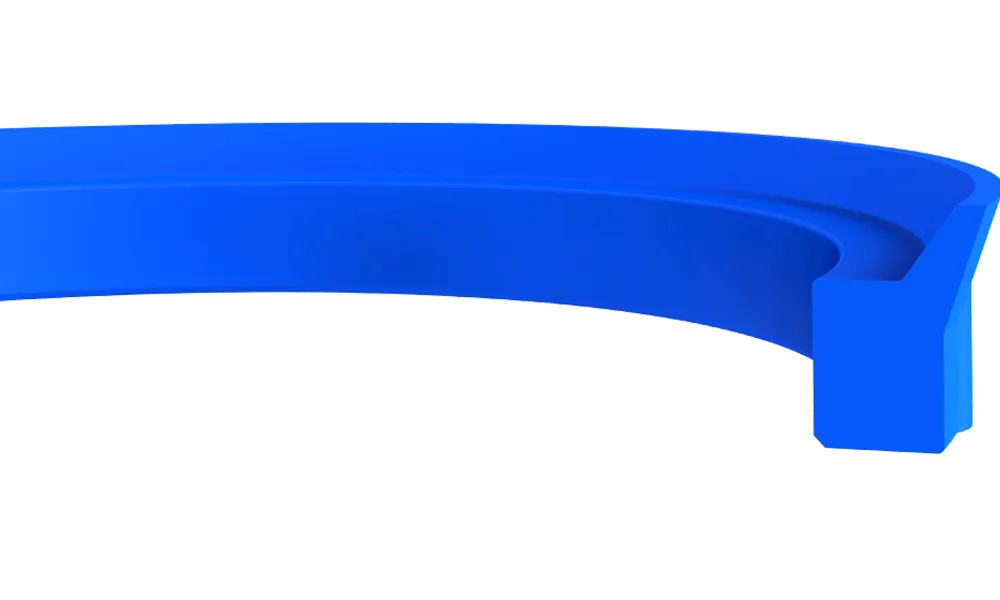
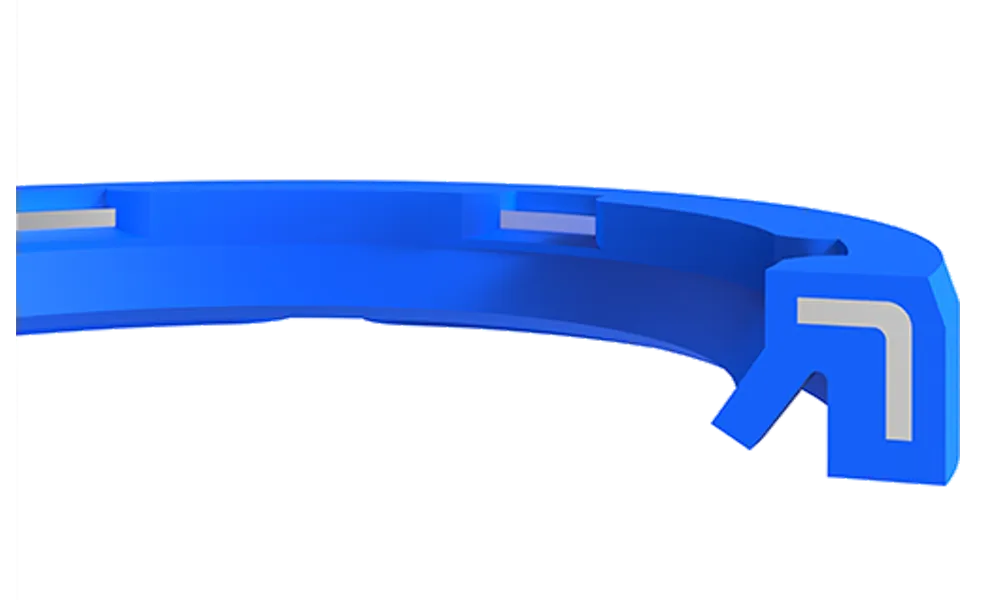
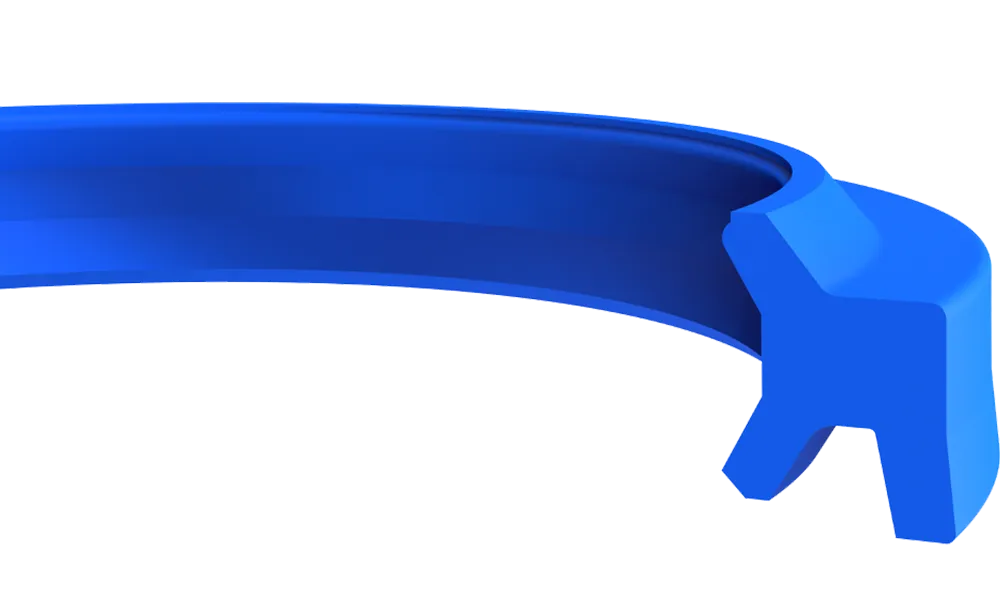
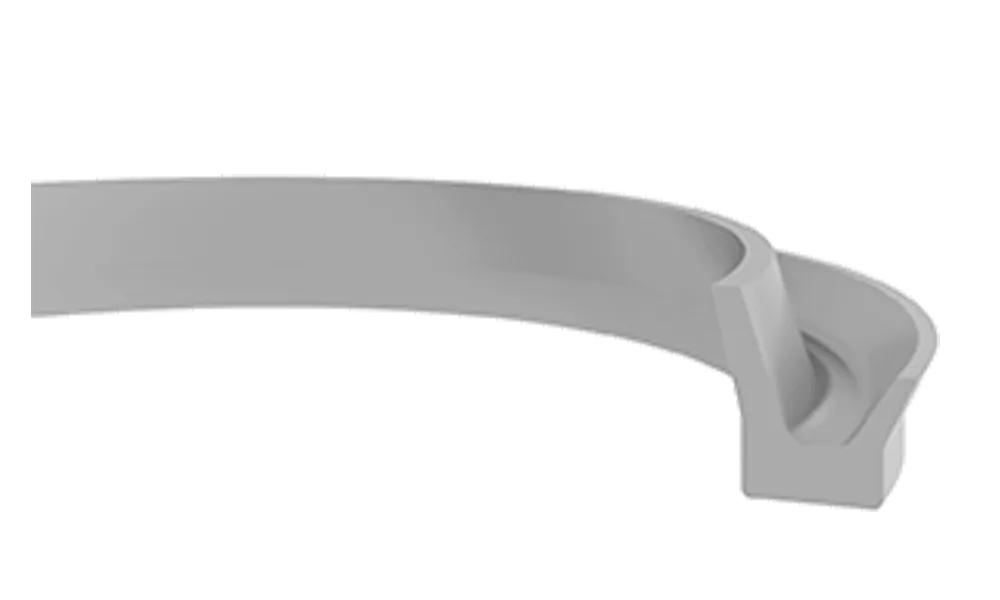
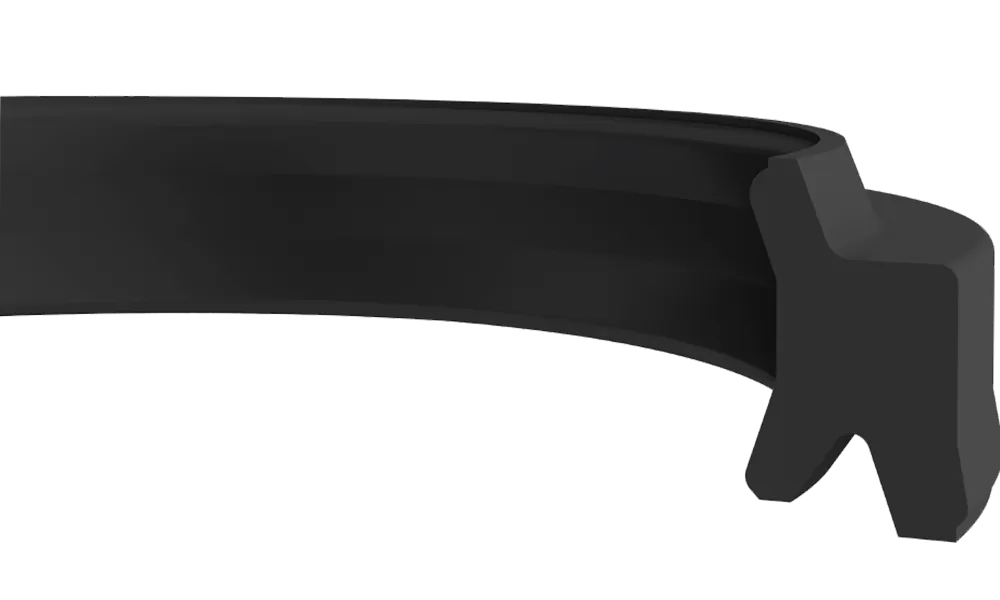
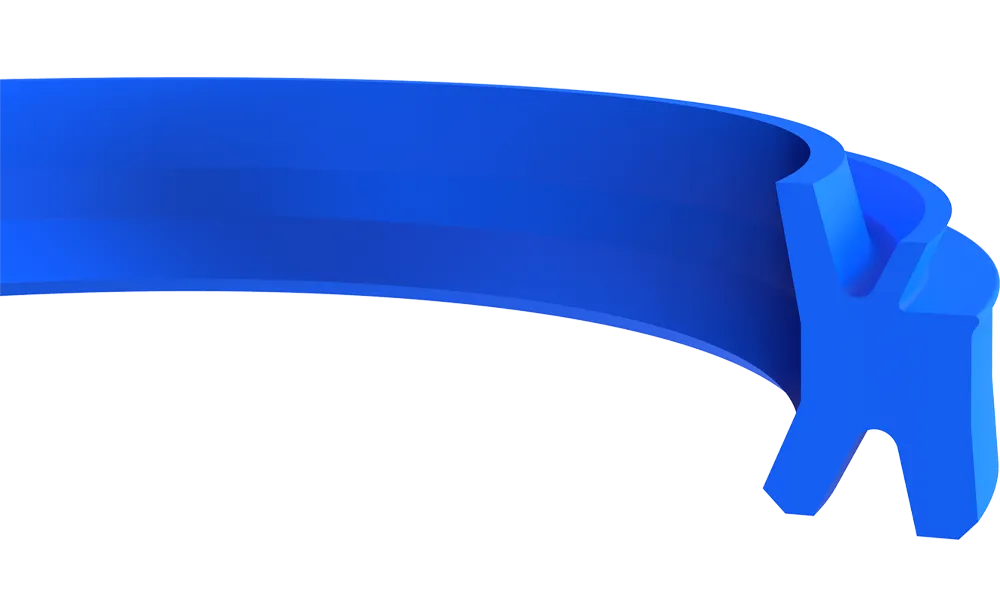
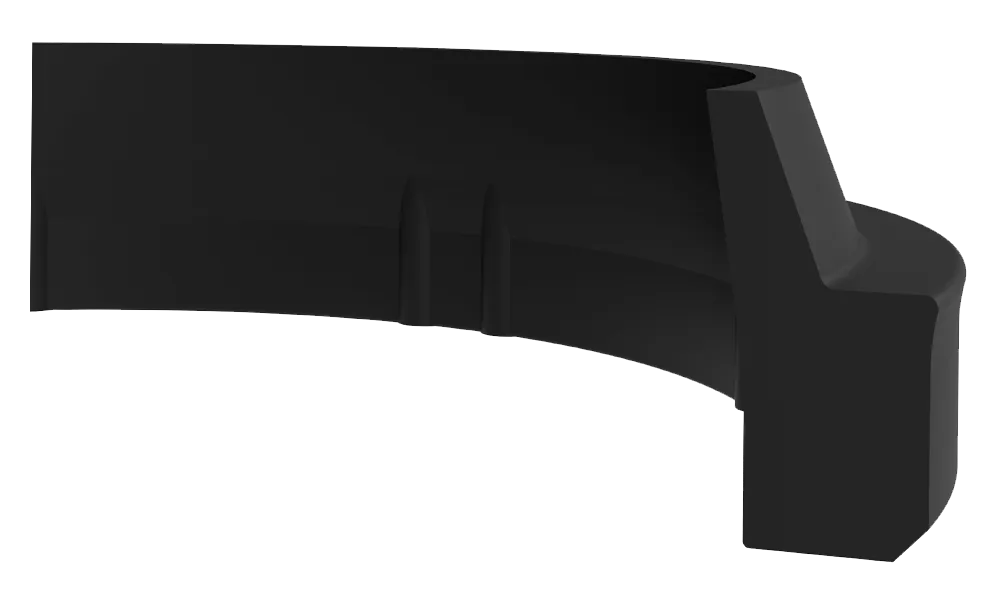
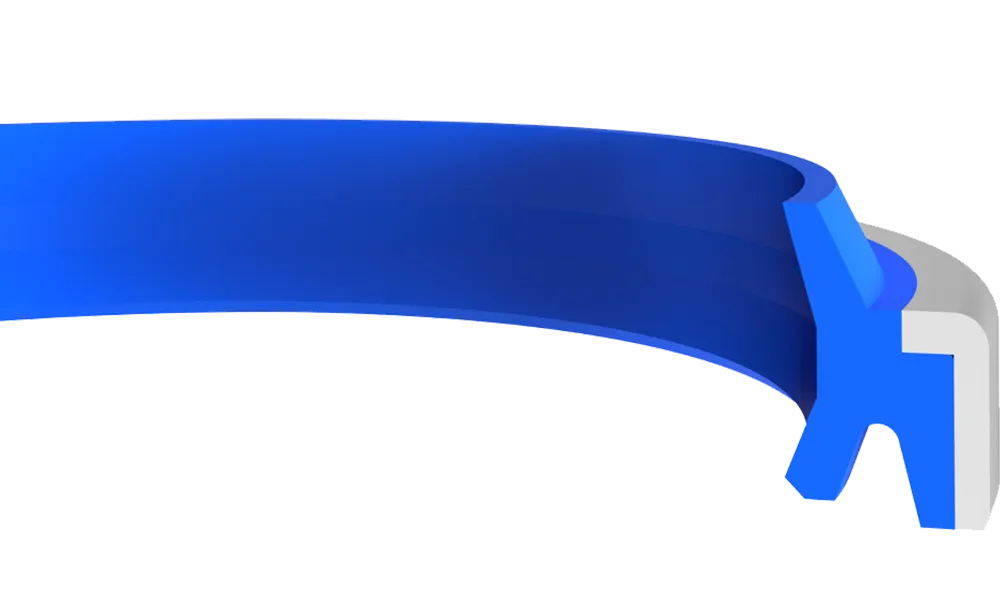
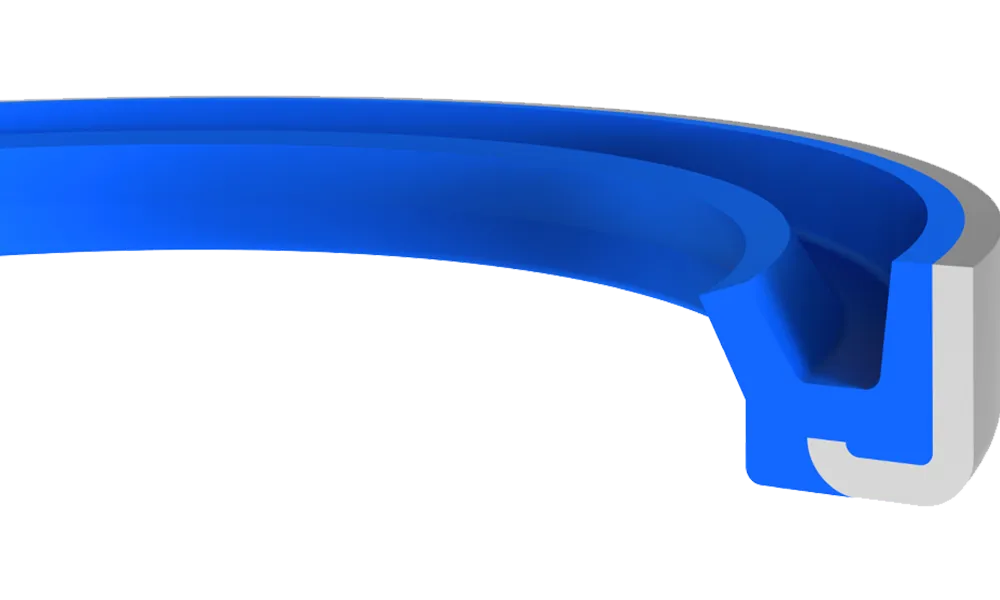
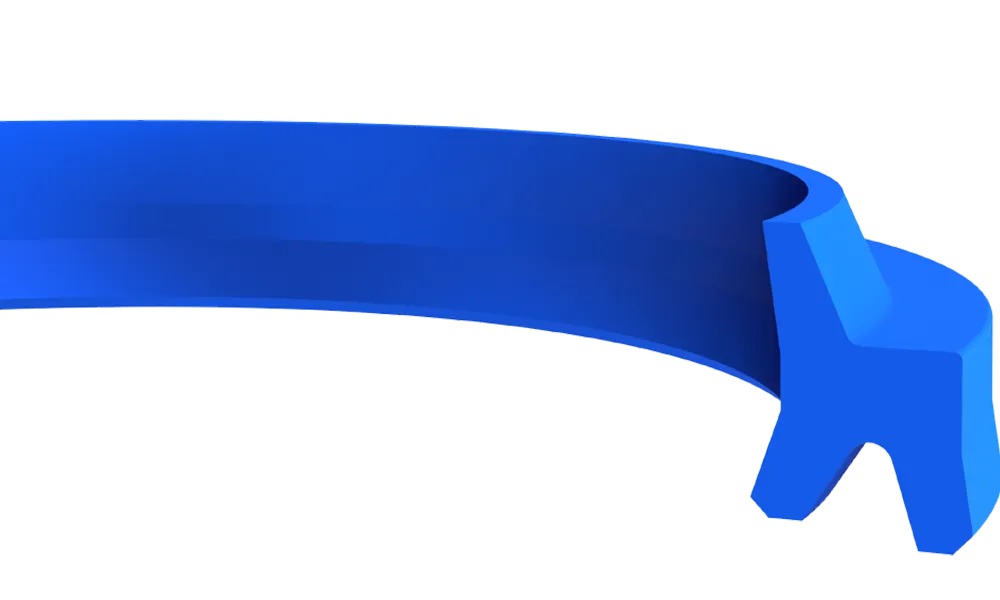
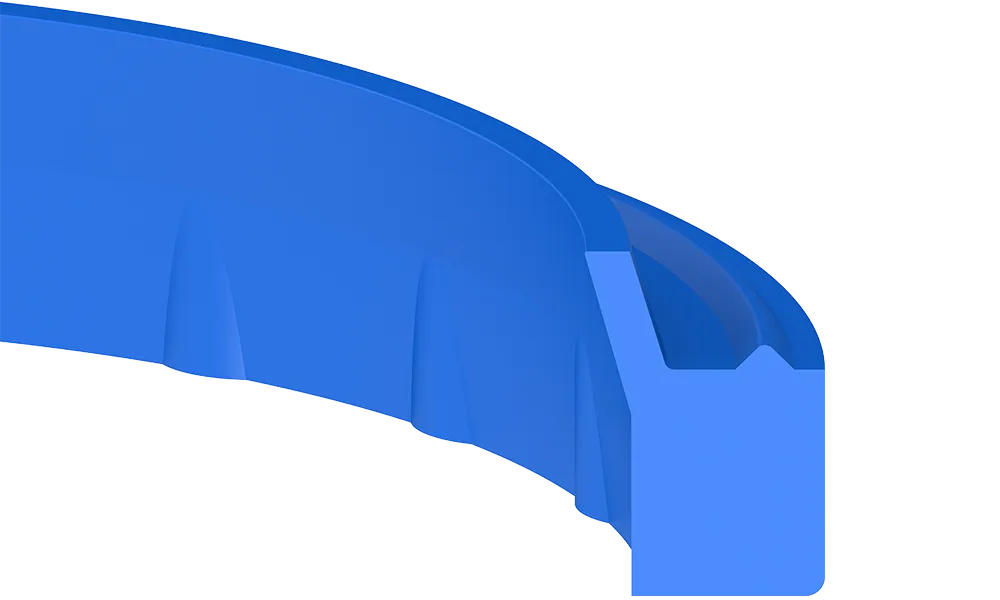
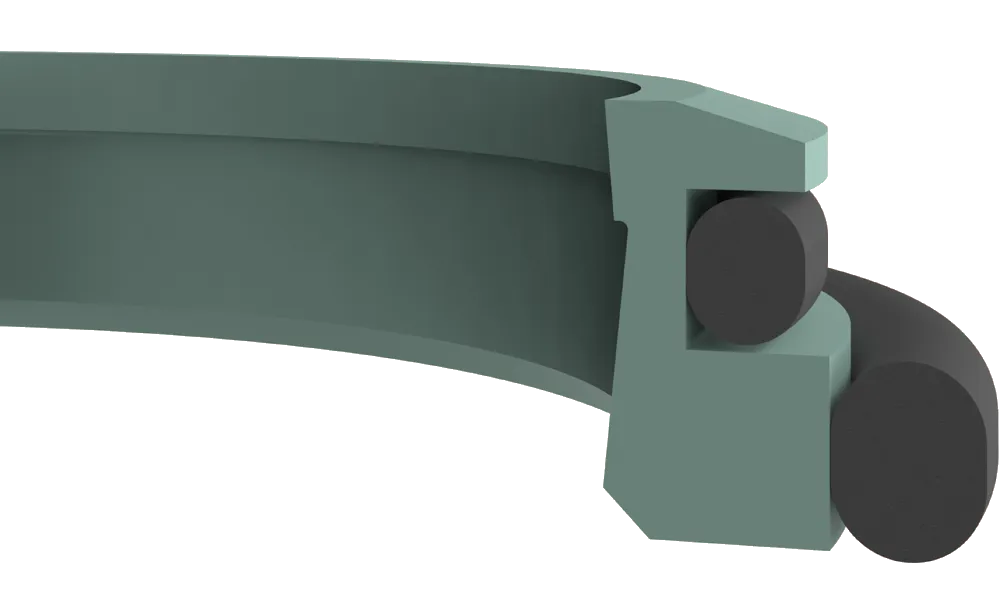
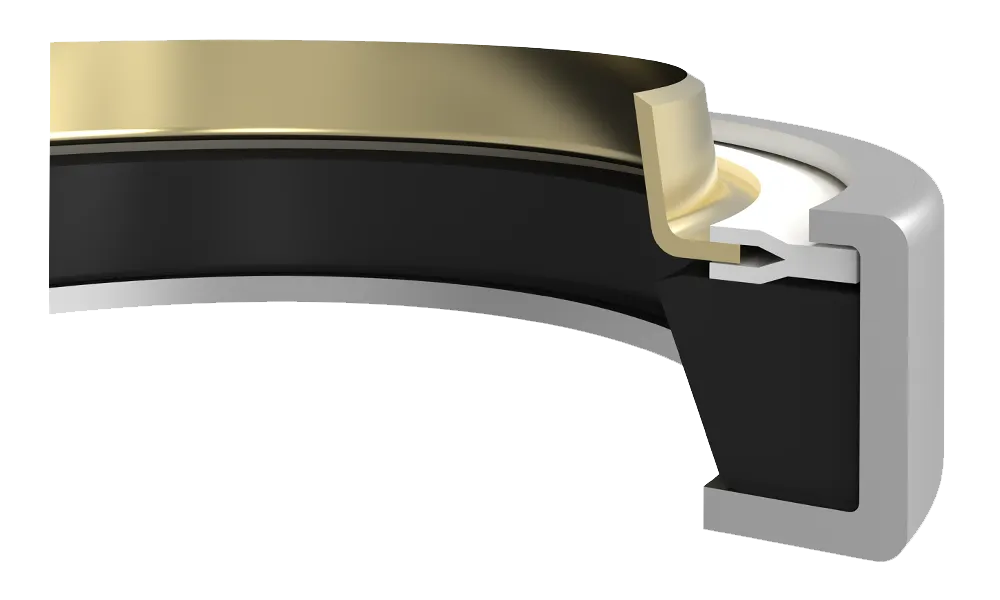
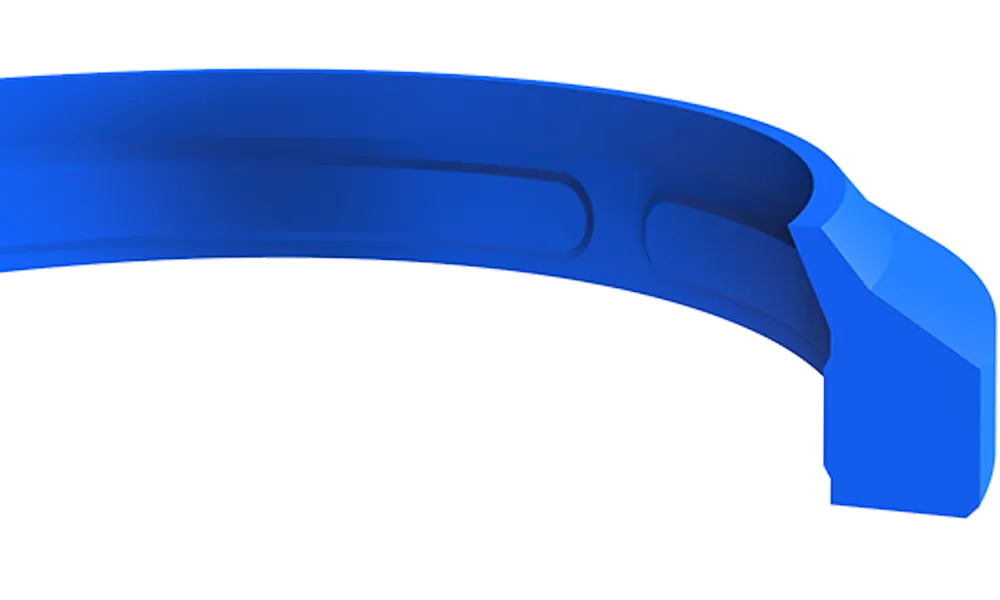
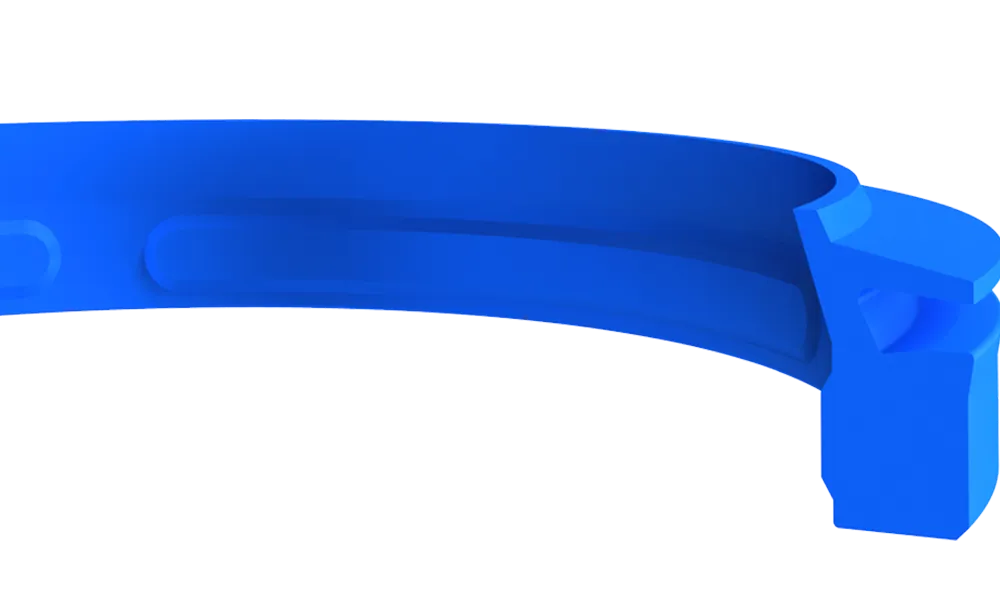
The category includes classic single-lip profiles as well as double-lip, reverse-mounted and metal-cased types. On double-lip profiles the outer lip scrapes while the inner lip stops the scraped oil from escaping. Metal-cased types are held in the housing by a press fit and resist being dislodged in vibrating heavy-duty applications.
Materials include polyurethane (PU), NBR, PTFE, POM, thermoplastic elastomer (TPE), as well as bronze-filled and metal-cased designs. Polyurethane is the most common choice in abrasive environments thanks to its high tear and wear resistance.
The most demanding applications are excavator, loader, forklift and tractor cylinders, tipping systems and mining, crushing and screening equipment. On these machines regular wiper inspection is a much cheaper maintenance item than replacing a rod seal and rod; if the lip shows tears, hardening or permanent deformation, replace it before the cylinder has to be fully dismantled.
Across the product tables in this category, operating limits reach up to 12 bar and span −40 °C to +110 °C; the pressure values are low because wipers are designed to scrape, not to hold pressure. We supply and support from OSTİM, Ankara.
Frequently Asked Questions
Does a wiper hold pressure?
No. A wiper's job is to scrape contamination off the rod surface, not to hold pressure; the rod seal holds pressure. That is why wipers have low pressure ratings and cannot be used in place of a rod seal.
Should I choose a single-lip or double-lip wiper?
On double-lip profiles the outer lip scrapes off dirt while the inner lip stops scraped oil being carried out. Double-lip types are preferred in muddy, dusty and outdoor conditions; single-lip profiles are sufficient for clean indoor applications.
If the rod is scratched, is replacing the wiper enough?
Usually not. A scratched rod surface quickly destroys the lip of a new seal and the problem returns. When replacing the seal, check the rod surface and have it ground or re-coated if necessary.
When is a metal-cased wiper needed?
Metal-cased types are preferred in heavy-duty applications with high vibration, a worn housing or a risk of the seal being dislodged. Their press fit holds them more securely in the housing.