
Pneumatic Piston Seals
18 products

Categories
About pneumatic piston seals
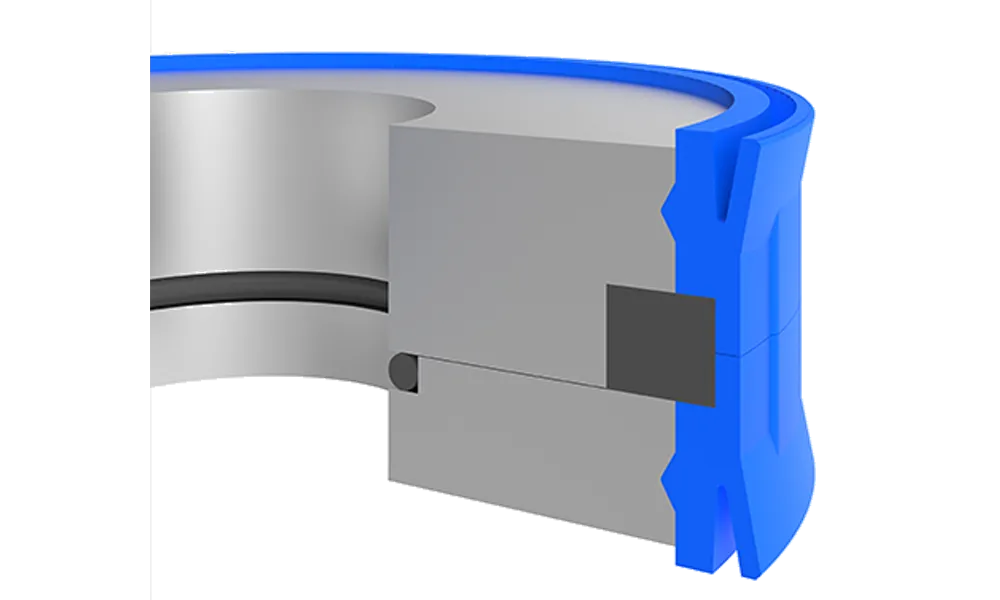
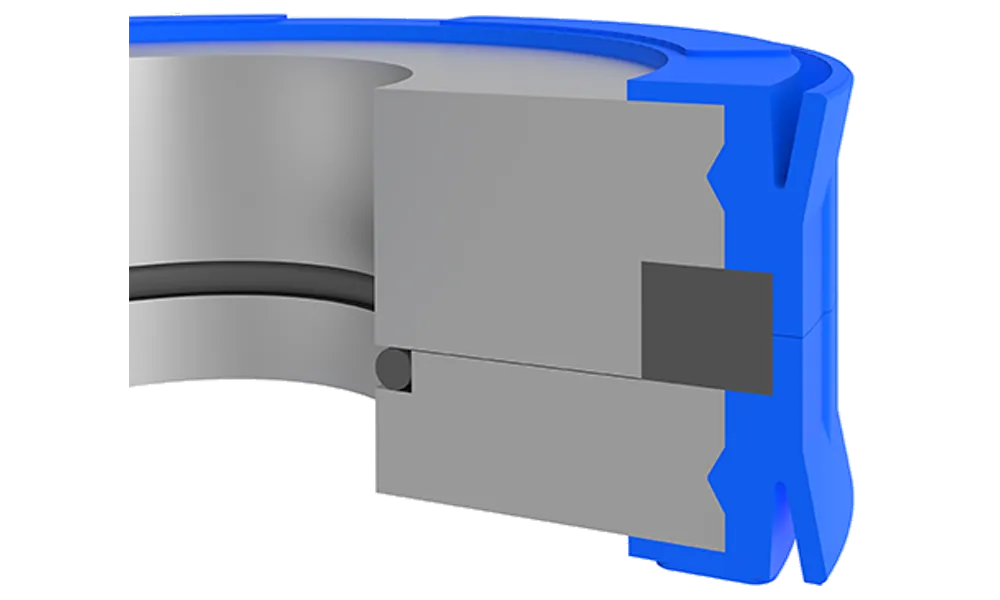
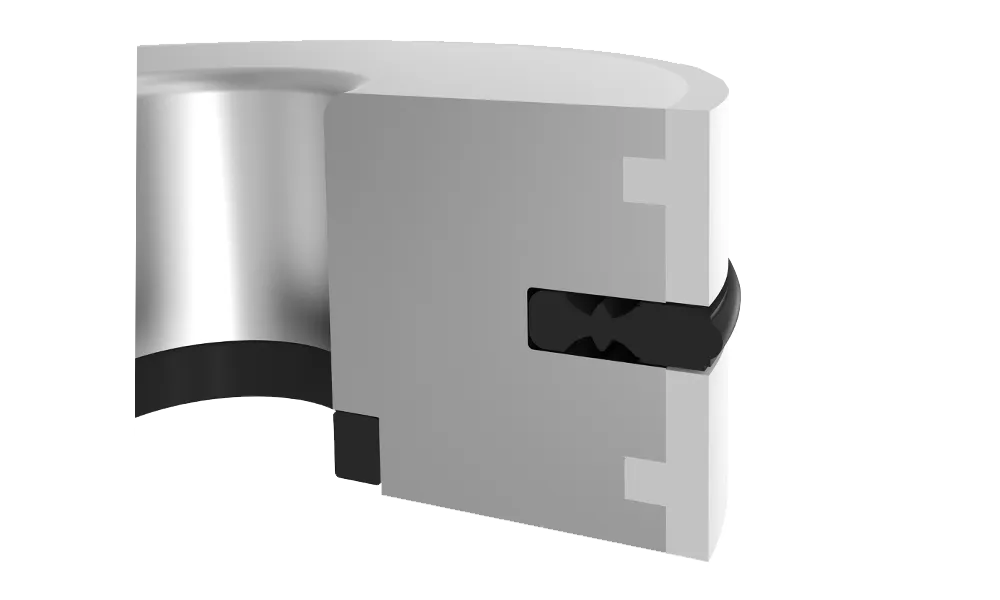
Pneumatic piston seals stop air passing between the two chambers of the cylinder. A leak here can be neither heard nor seen from outside; it shows up as reduced thrust, longer cycle times and a compressor that starts more often than it should. In terms of energy costs, internal leakage in pneumatic systems is an expense that quietly grows unnoticed.
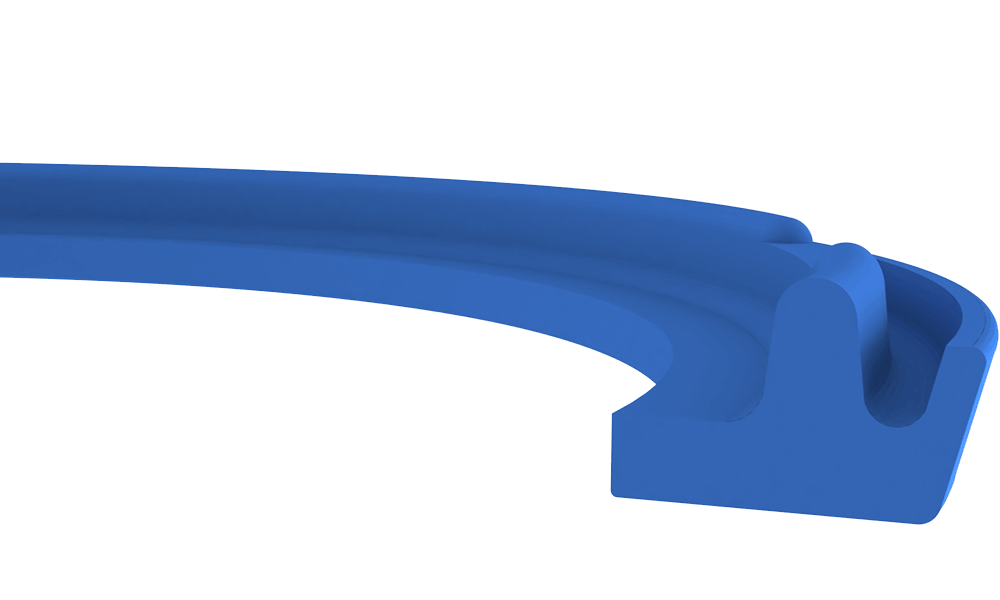
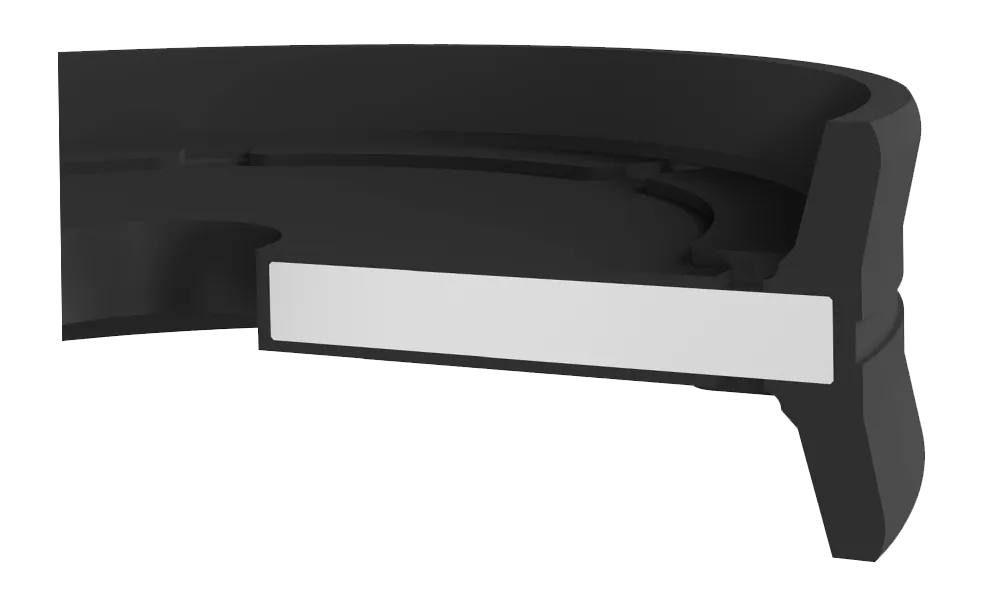
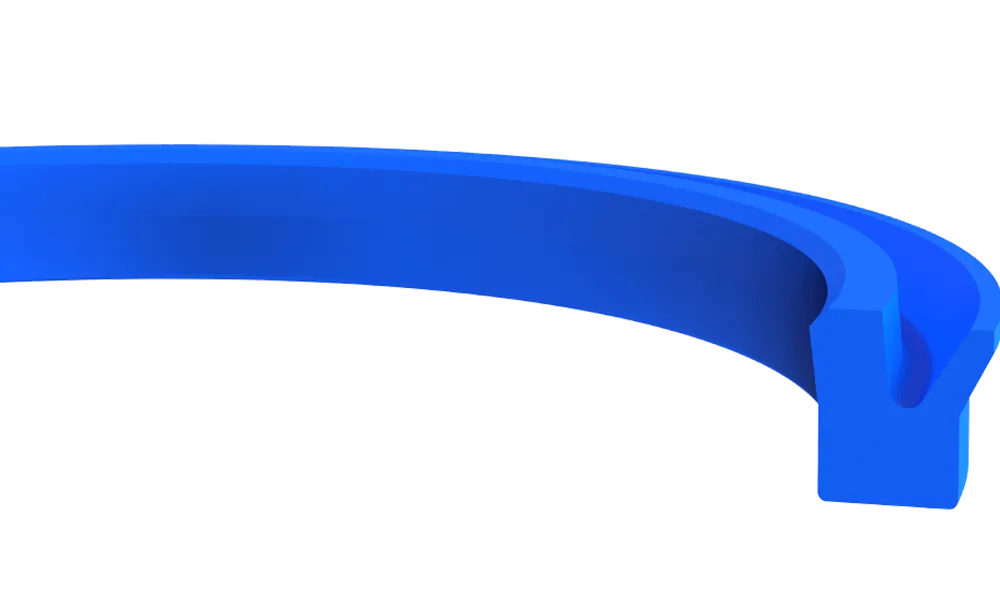
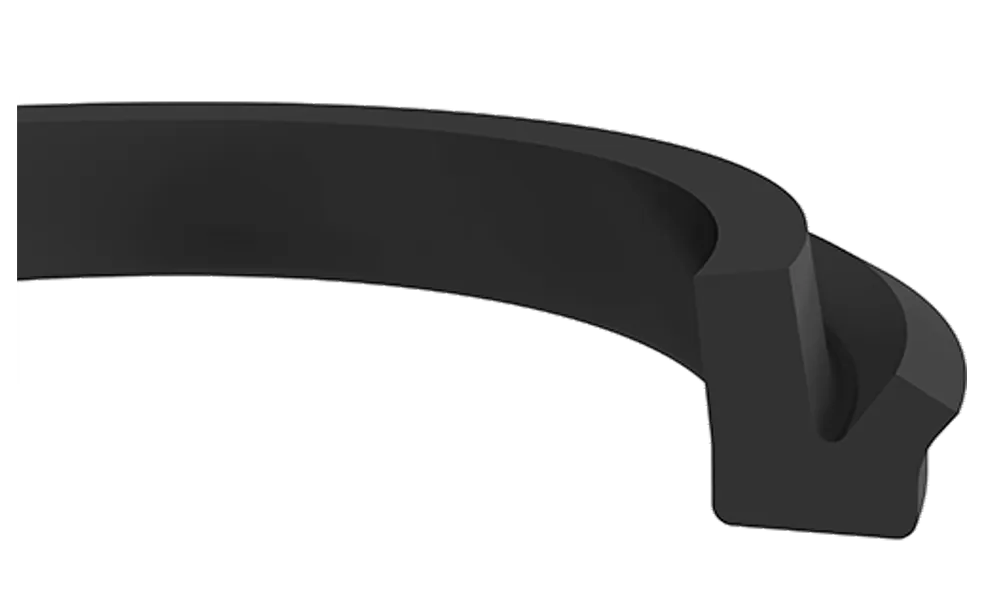
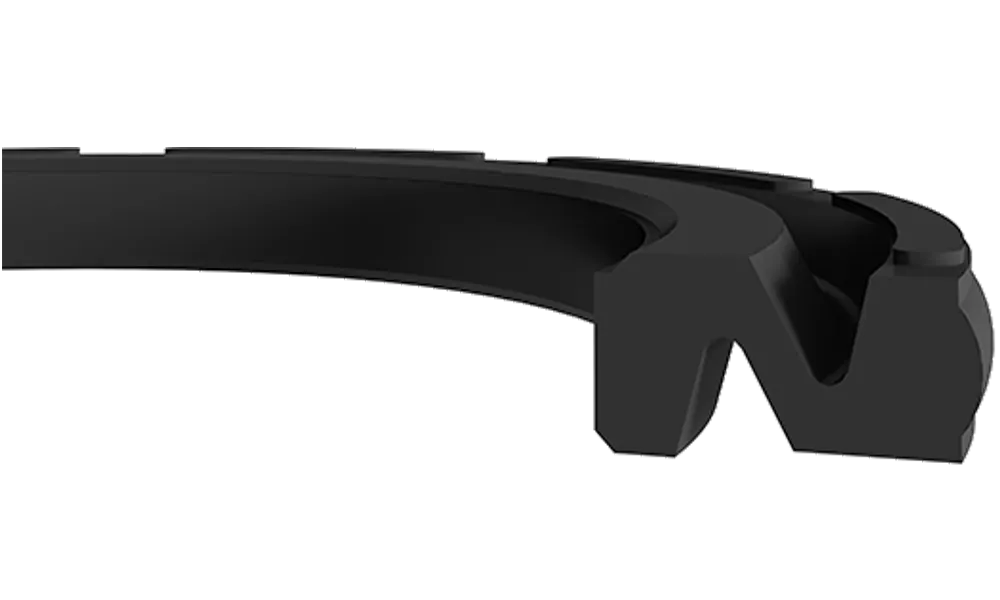
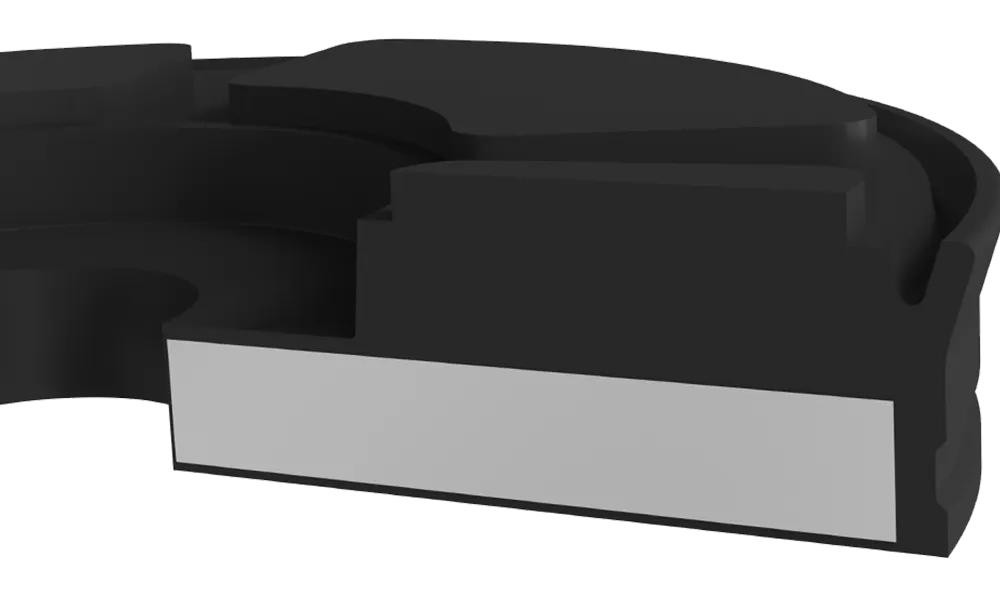
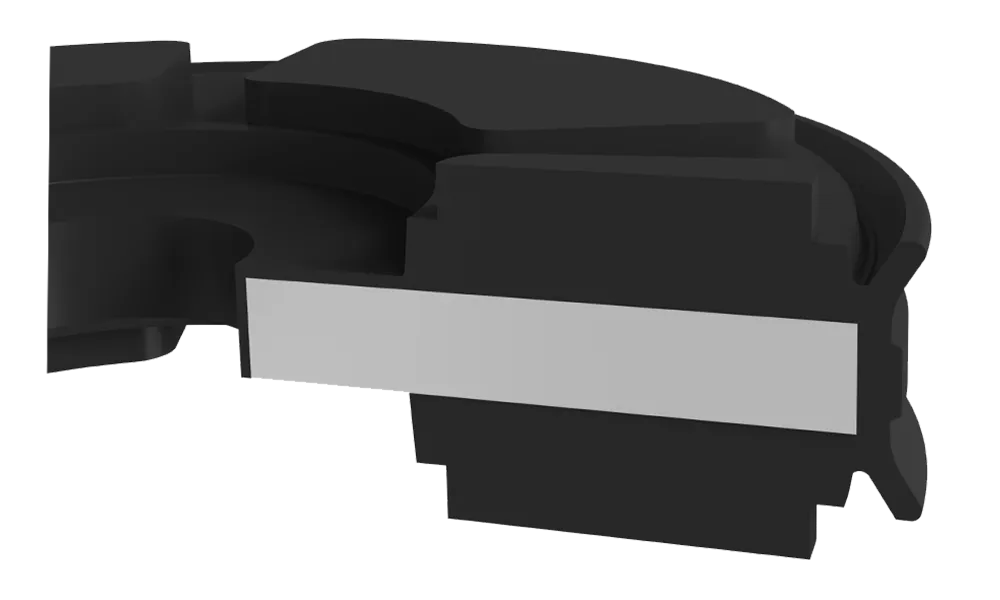
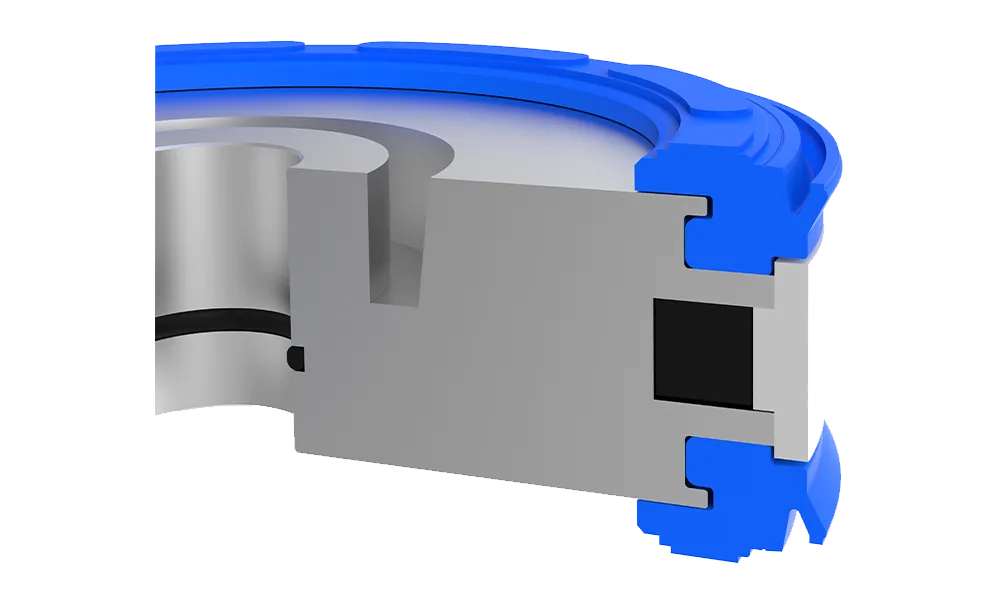
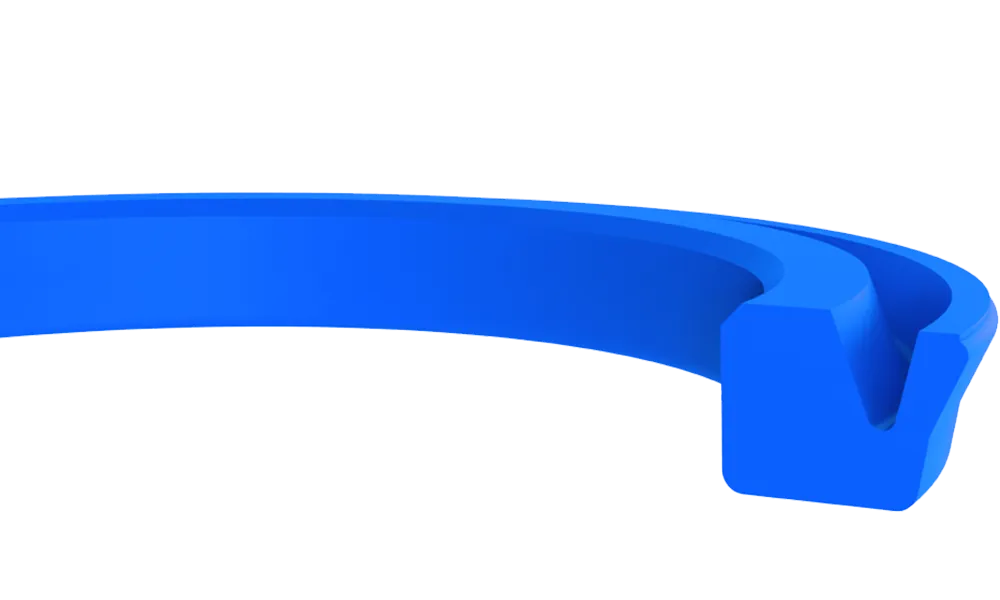
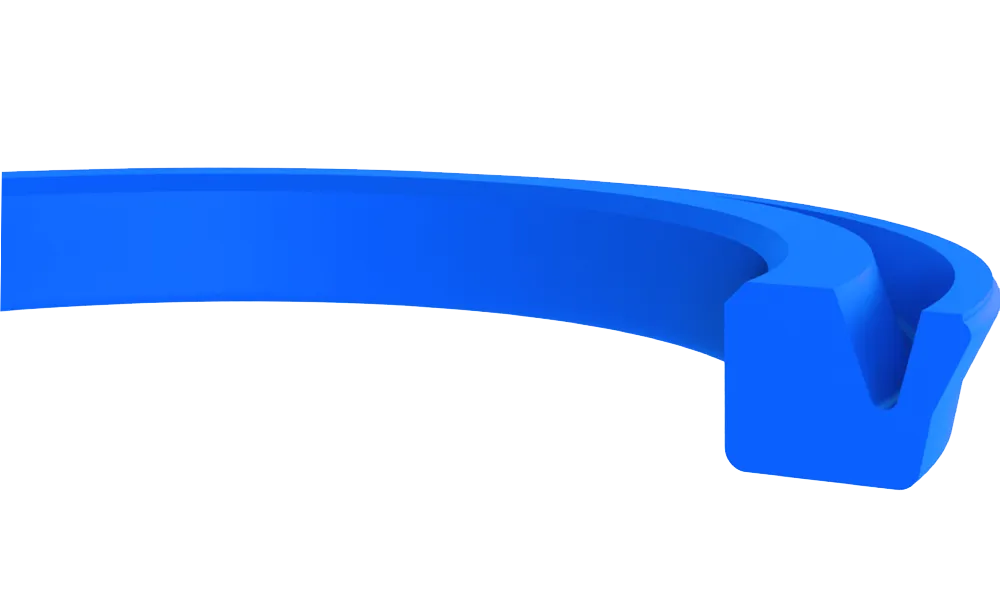
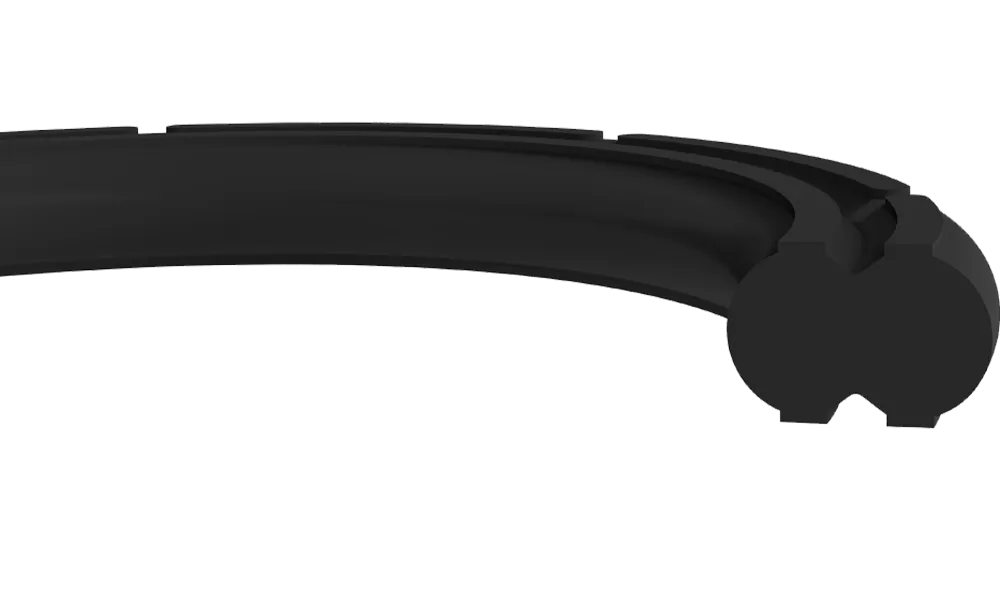
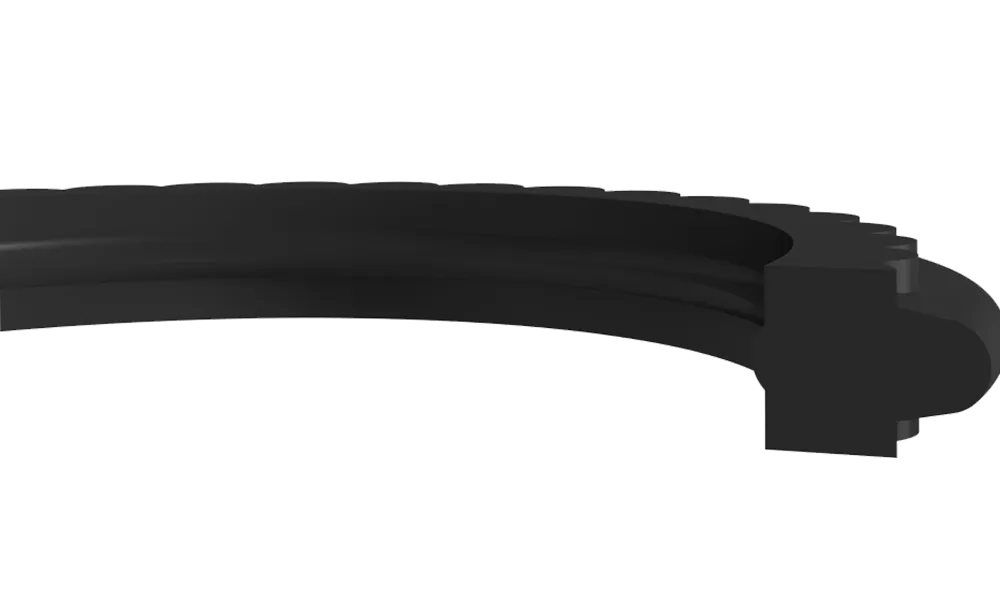
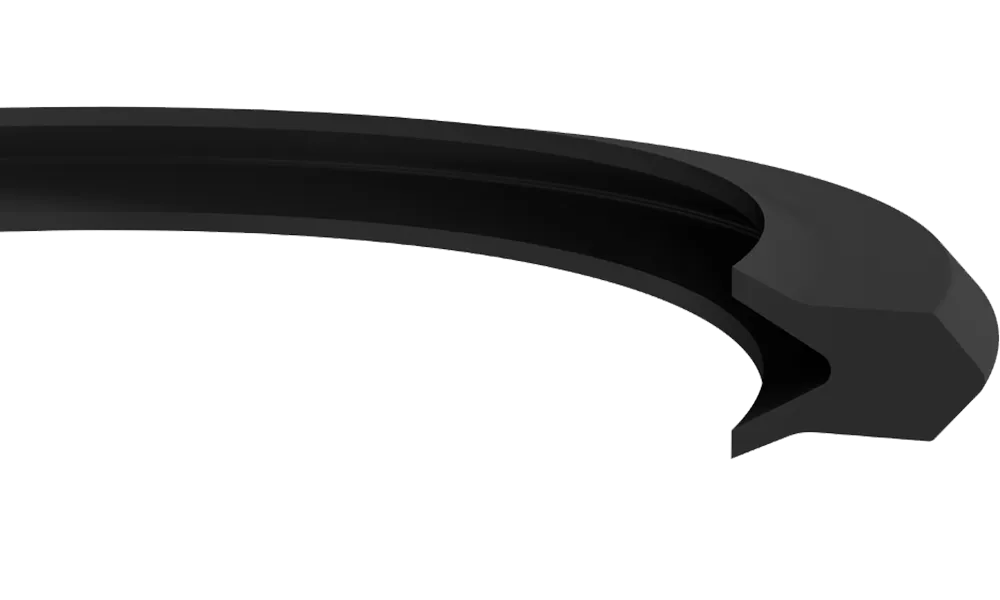
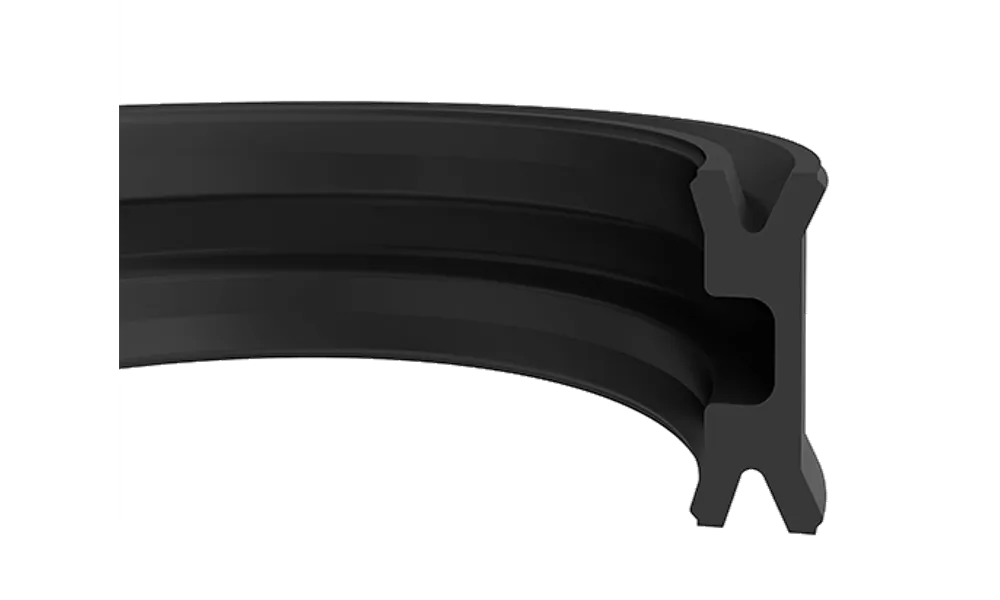
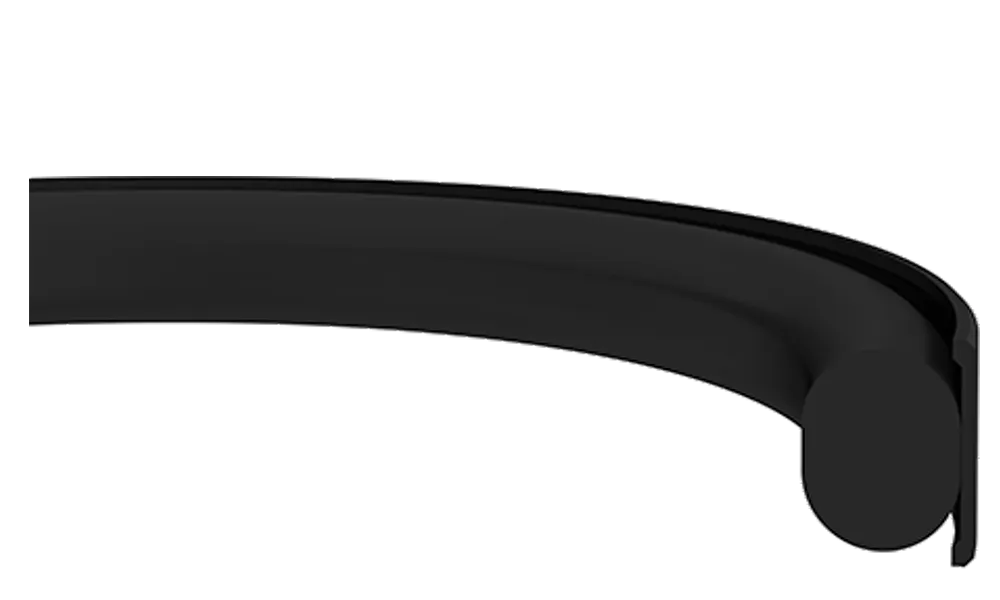
The most common profile type in this category is the single-acting lip (cup) seal; in double-acting cylinders these are used in pairs, back to back. In some applications the piston seal is designed as a single assembly together with guiding and cushioning functions. Cylinders that need magnetic position sensing also carry magnet holders in the piston assembly.
Materials include NBR, polyurethane (PU), PTFE and POM, with aluminium and sheet-metal components in the carrier and support parts. In pneumatics the deciding criteria are low friction, low breakaway force and stable behaviour over a high number of cycles, rather than pressure resistance.
Across the product tables in this category, operating limits reach up to 16 bar and span −40 °C to +105 °C. The range applies to the whole category; each profile's own value is listed in the table on its product page.
These products are used in push and gripper cylinders on automation lines, packaging and labelling machines, pneumatic presses and robot end effectors. Because of the high cycle counts, failures in pneumatics rarely happen suddenly; they develop as a gradual loss of performance — thrust drops, cycle time lengthens and the line slows down. Tracking these two values regularly is the most practical way to prevent unplanned stoppages.
Selection requires the piston diameter, groove diameter and groove width, whether the cylinder is single- or double-acting, and whether the line is lubricated. We supply and support from our base in OSTİM, Ankara.
Frequently Asked Questions
My pneumatic cylinder is losing power — what could be the cause?
Reduced thrust and longer cycle times with no external leak usually point to internal leakage at the piston seal. A compressor starting more often than normal is a consequence of the same symptom.
How many piston seals does a double-acting cylinder need?
With single-acting lip profiles you need two, back to back, to seal in both directions. With symmetrical bidirectional profiles a single element may be enough; the right arrangement depends on the cylinder's groove design.
Do cylinders with magnetic sensors need a different product?
Yes. Cylinders whose position is sensed magnetically have a magnet holder in the piston assembly. In these cylinders use the set designed for that assembly instead of a standard piston seal.