
Hydraulic Piston Seals
32 products

Categories
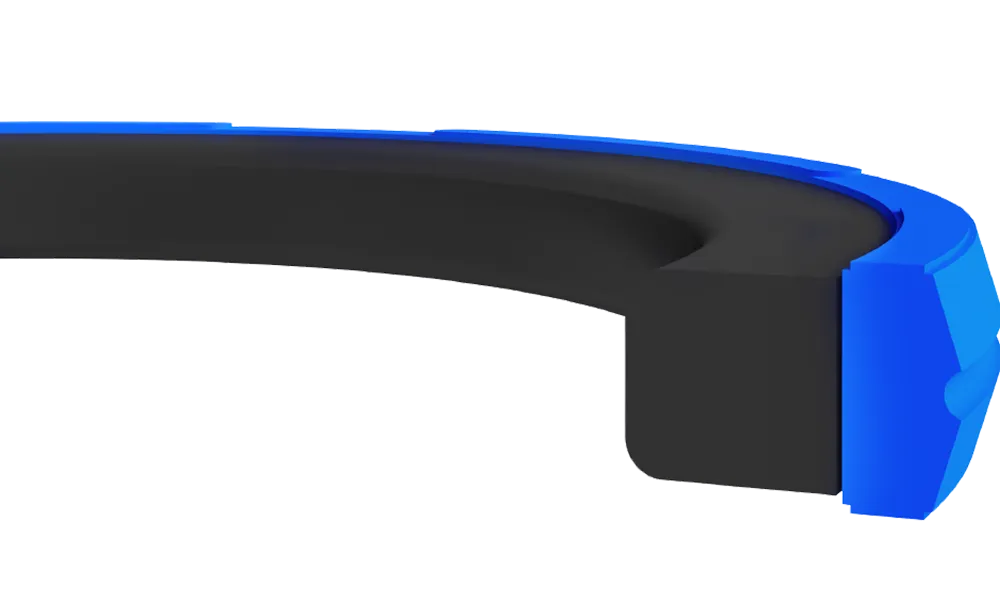
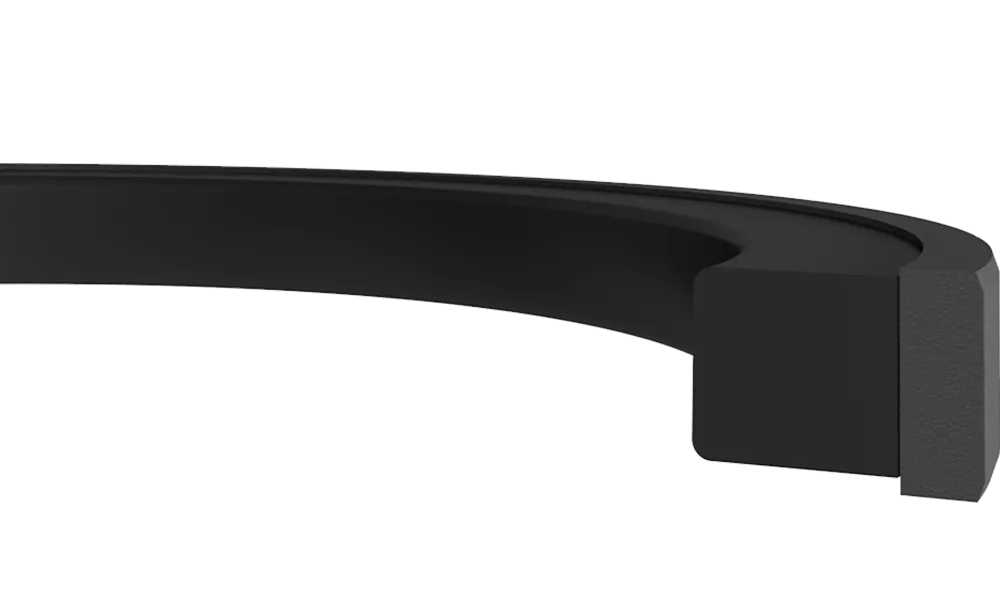
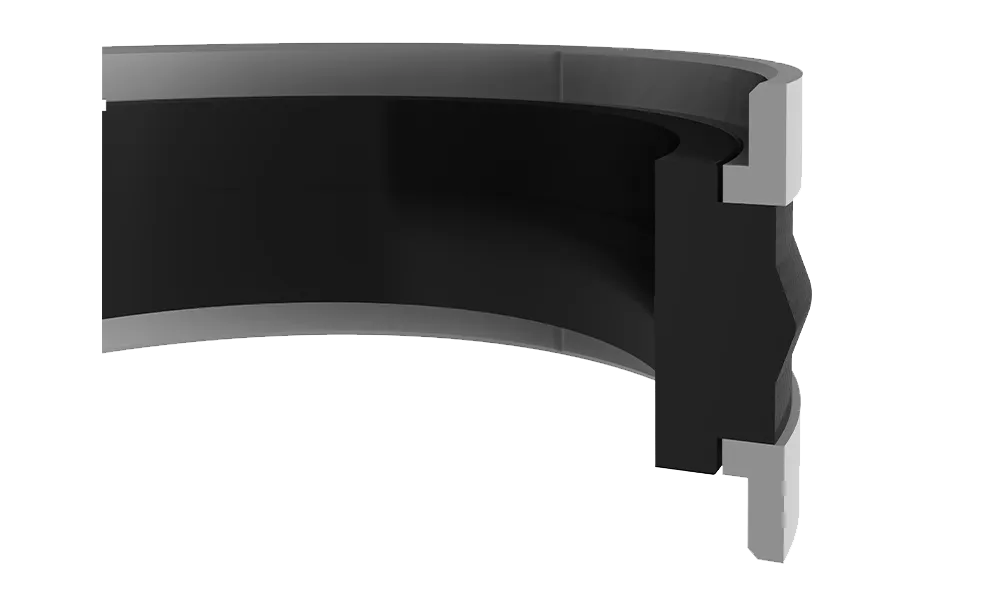
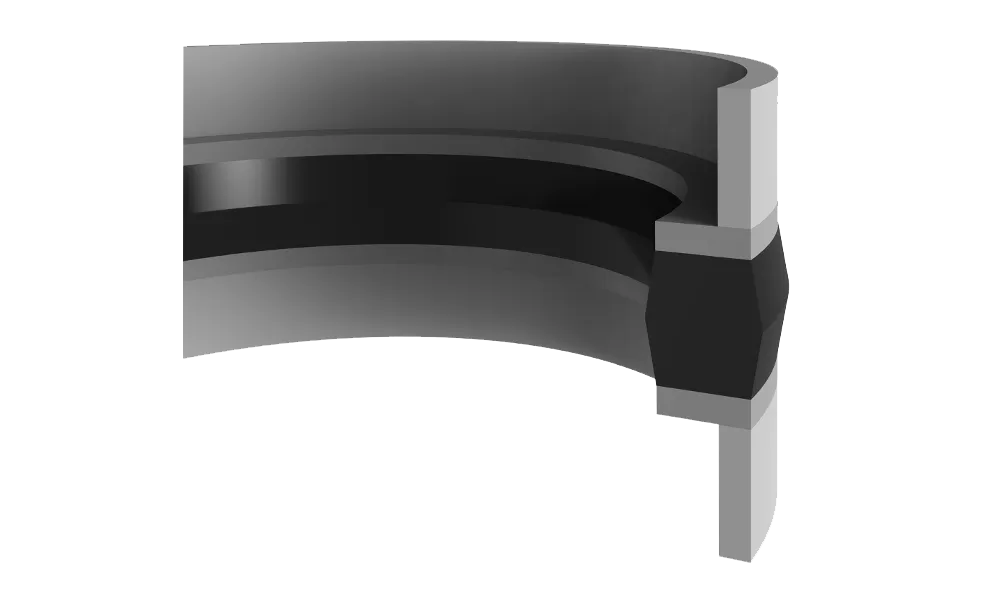
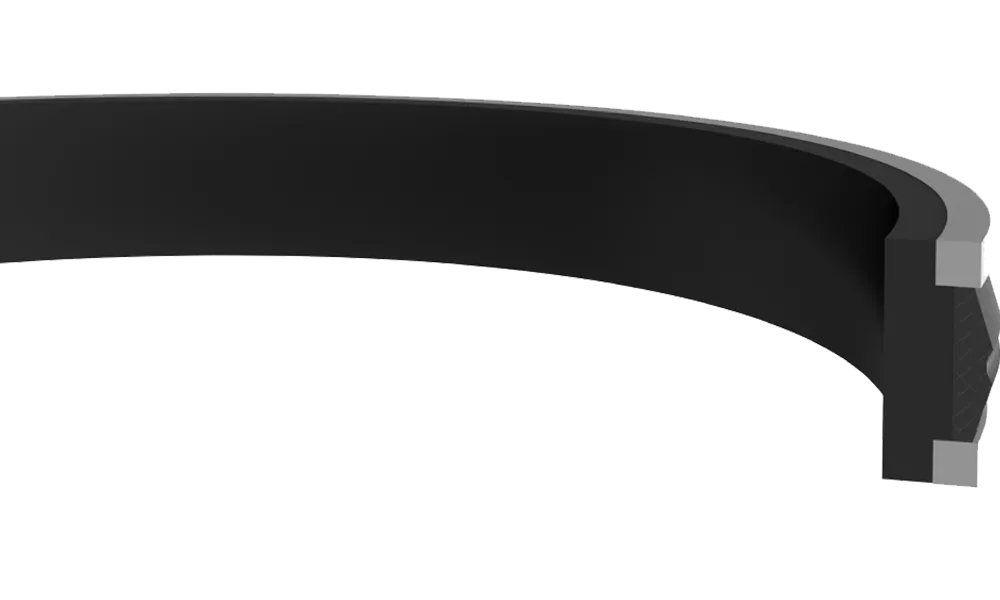
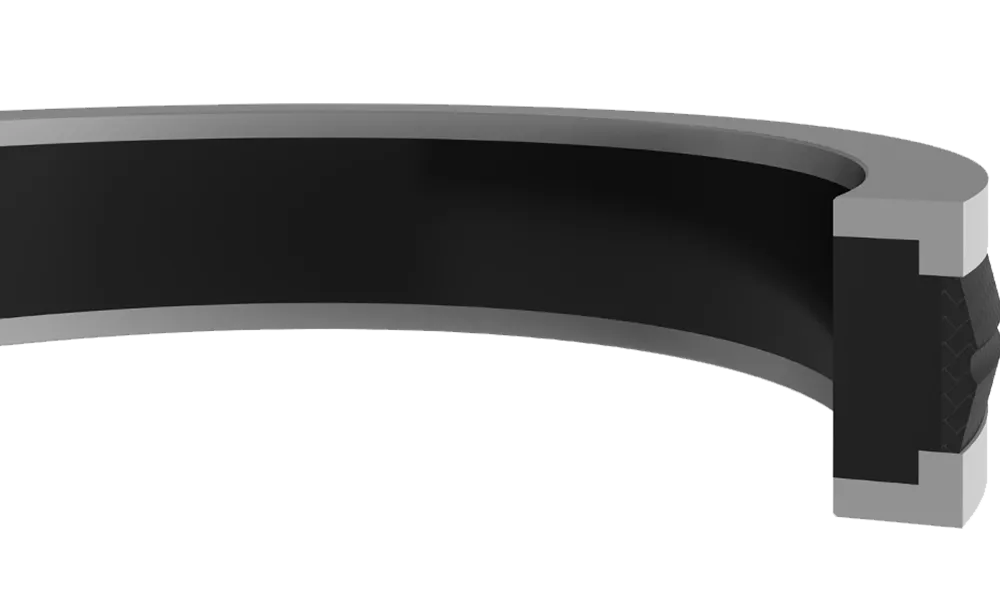
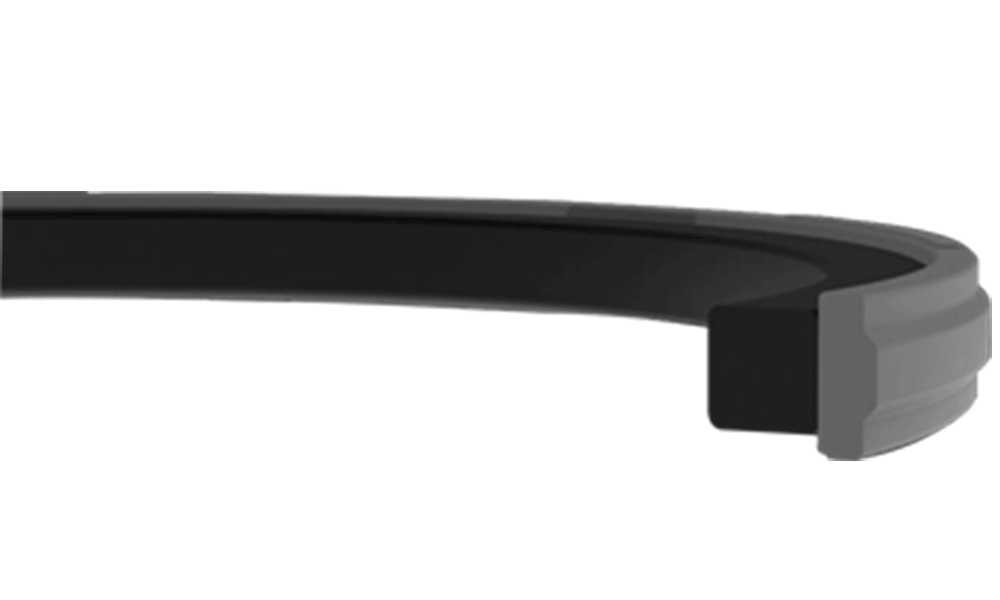
About hydraulic piston seals
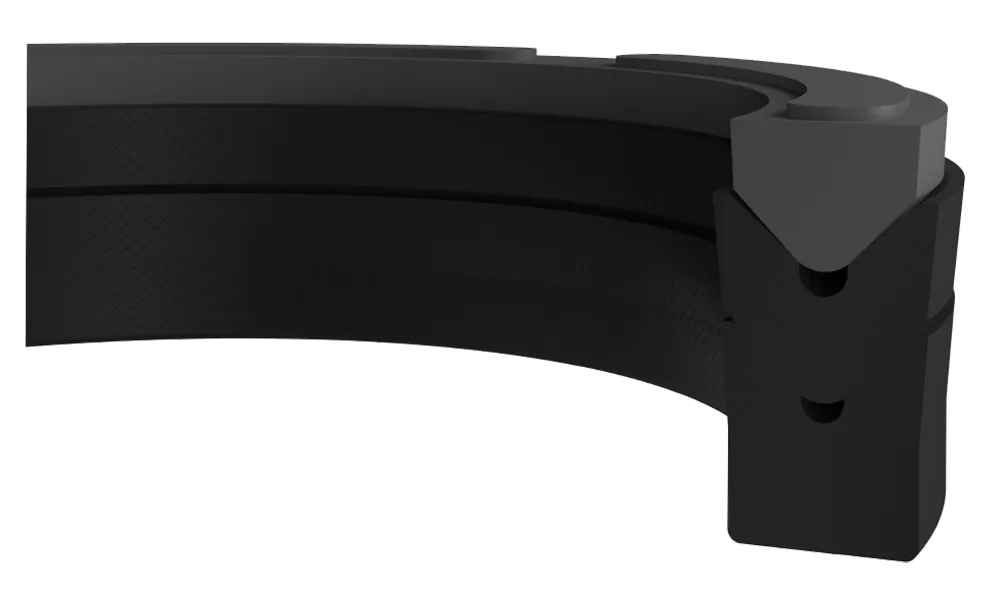
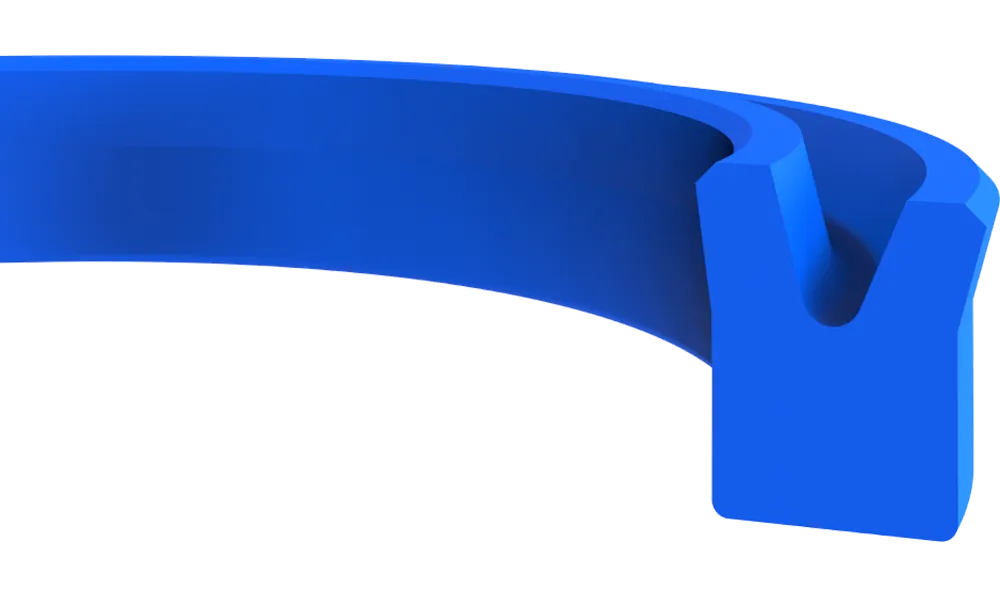
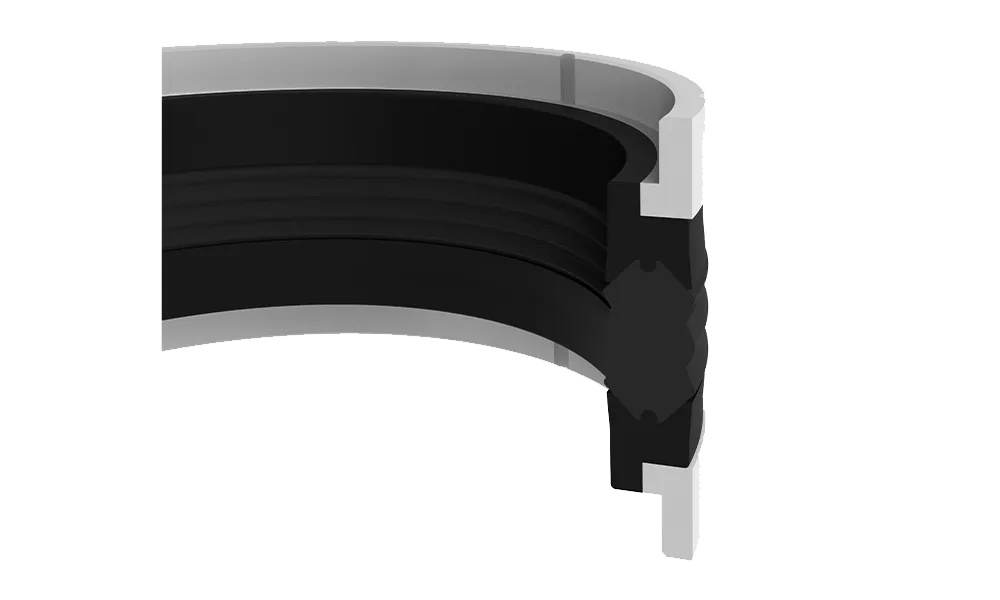
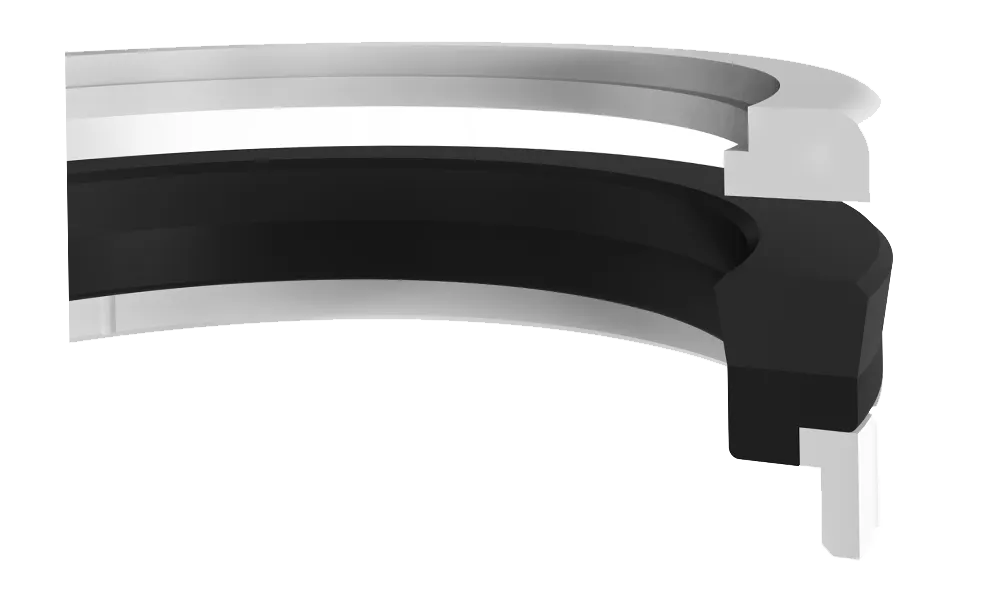
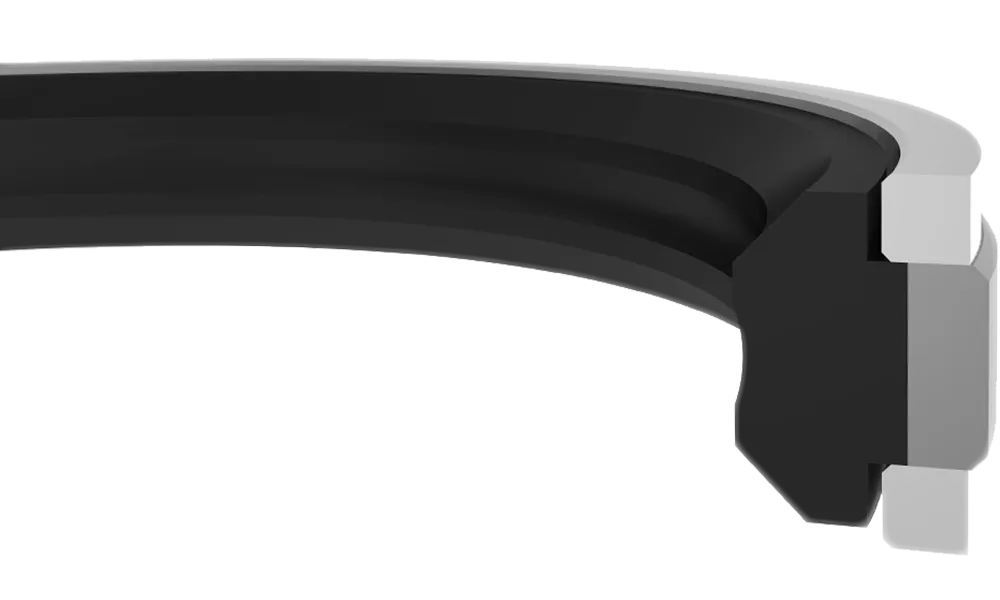
Hydraulic piston seals separate the two chambers inside the cylinder. While the rod seal keeps oil from escaping, the piston seal stops oil passing from one side of the cylinder to the other. This internal leak is invisible from the outside; it shows up as a cylinder that cannot hold its load, creeps down slowly or fails to keep its position.
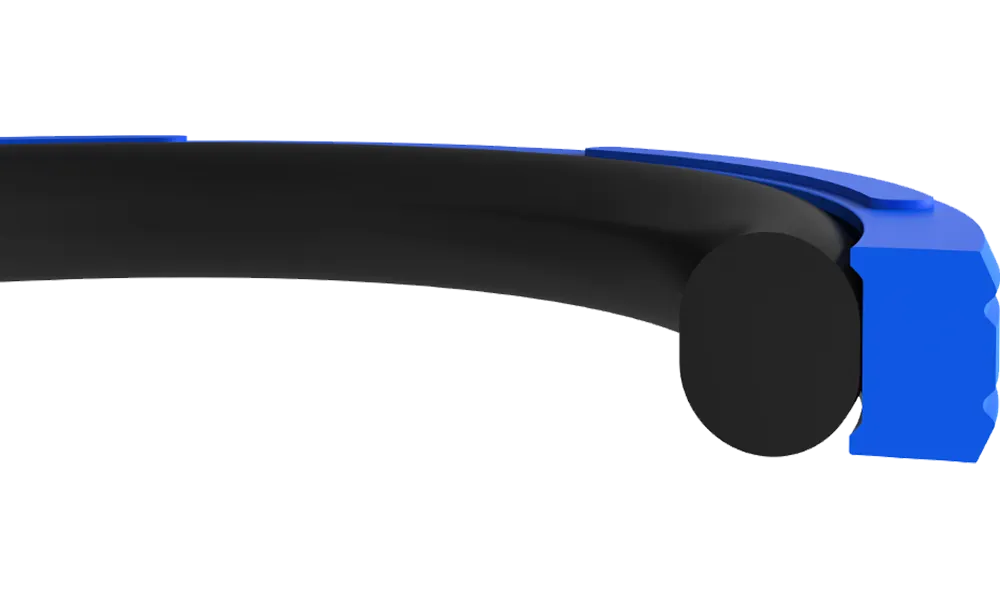
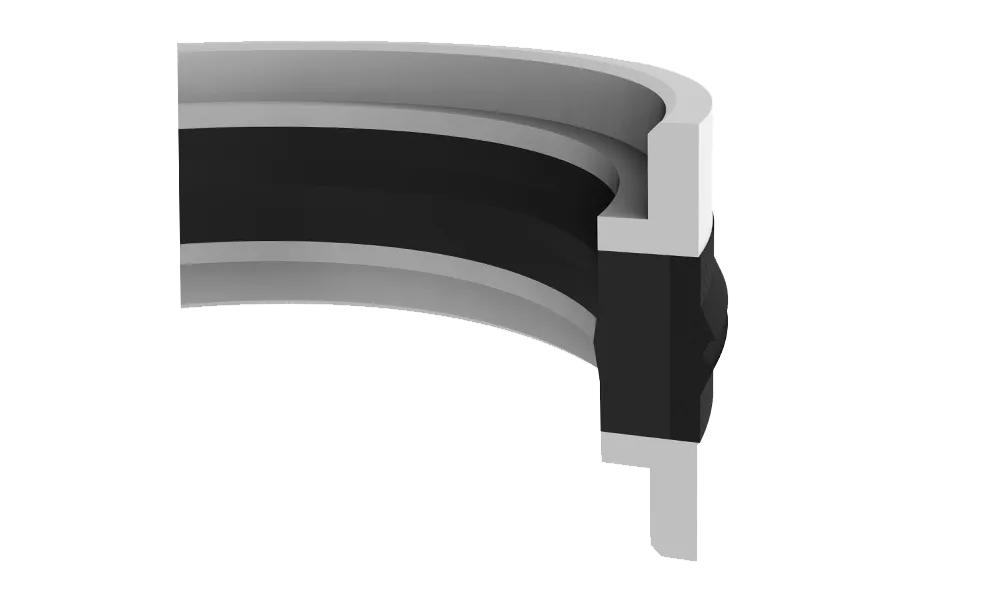
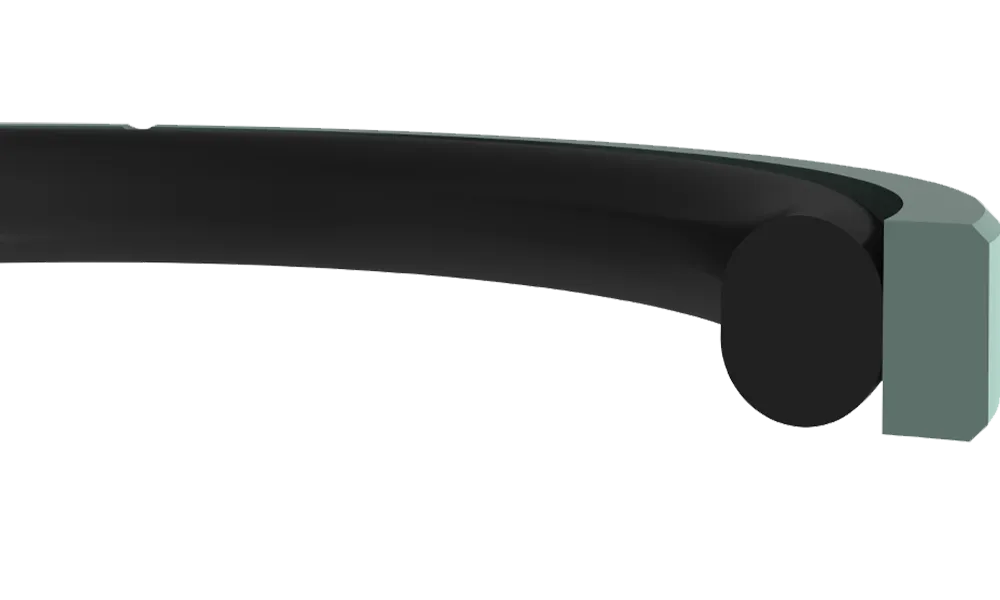
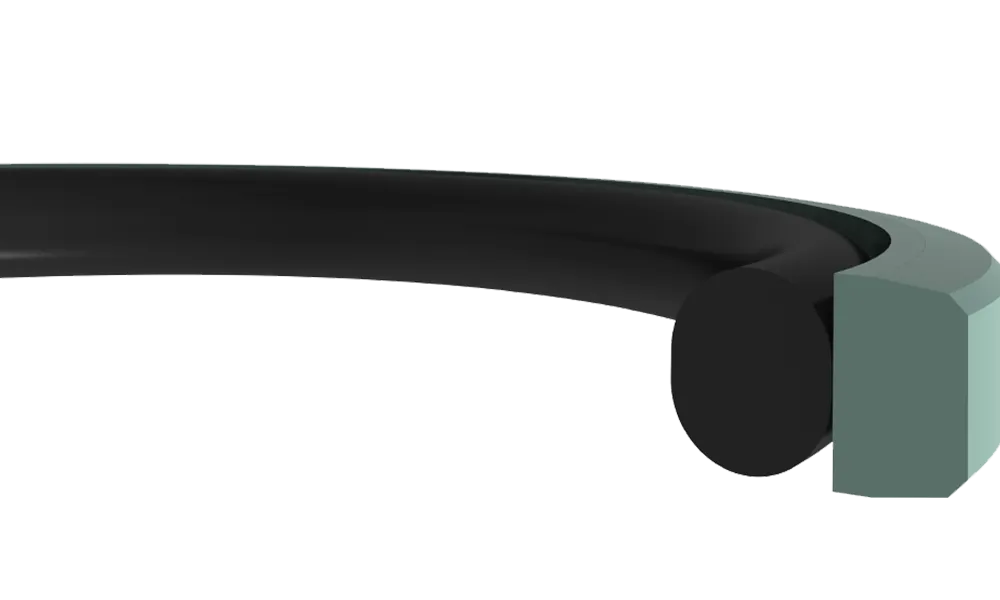
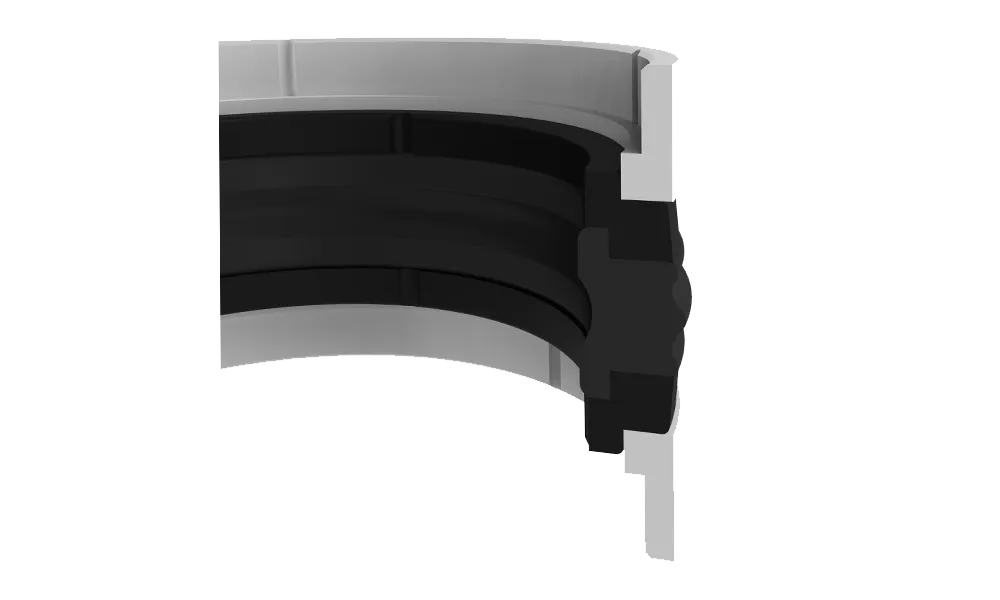
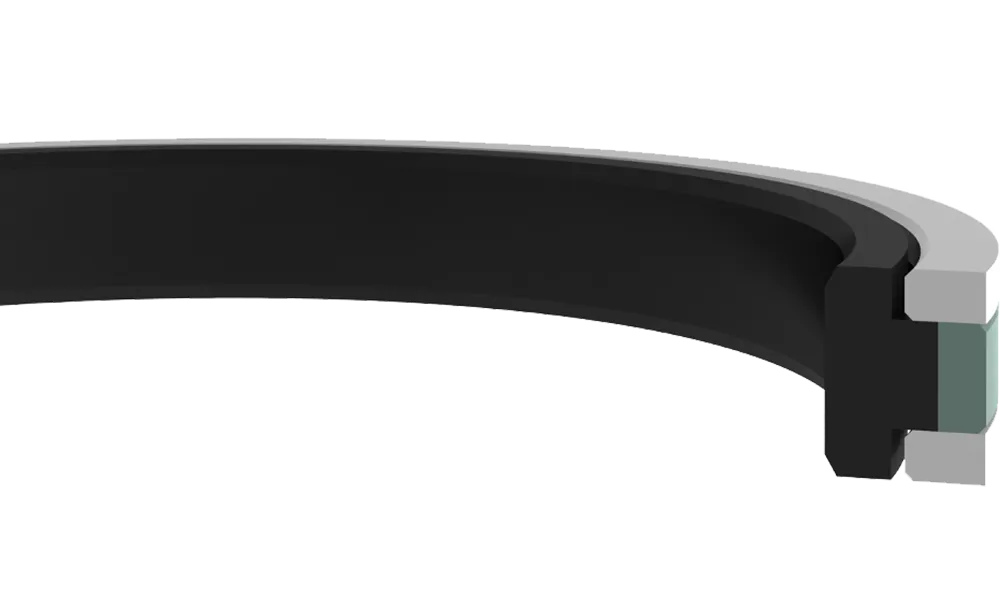
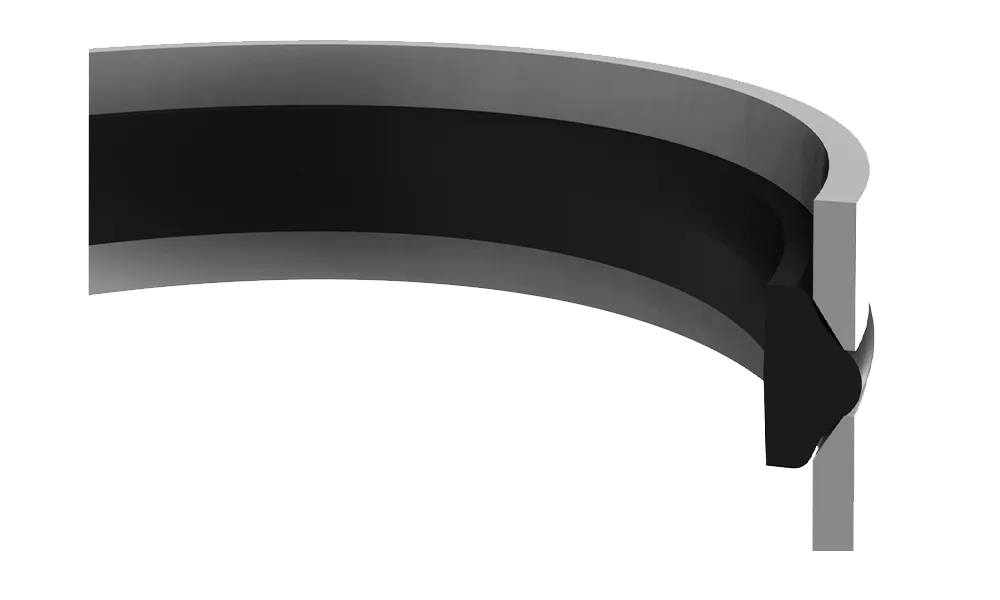
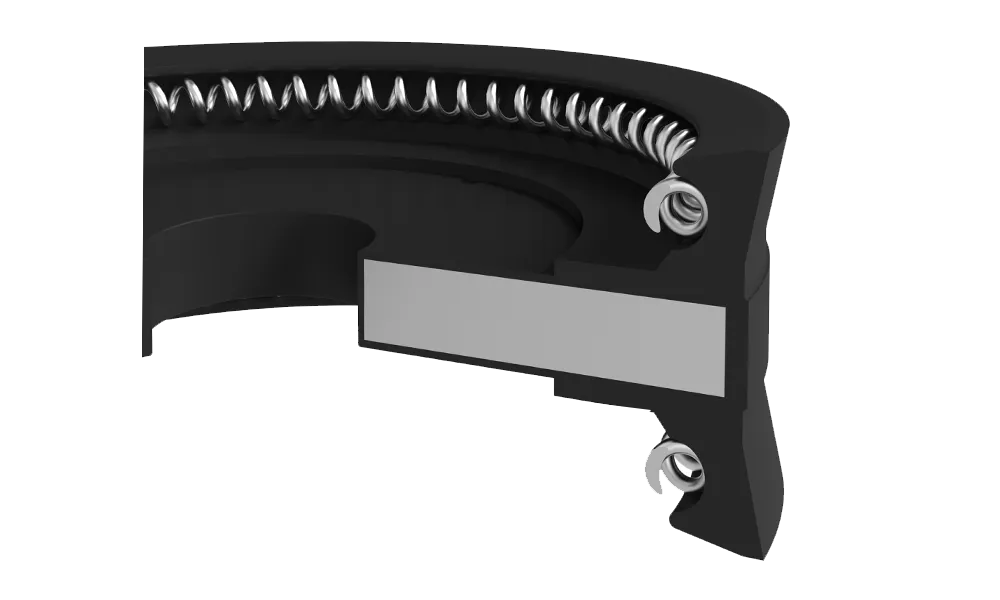
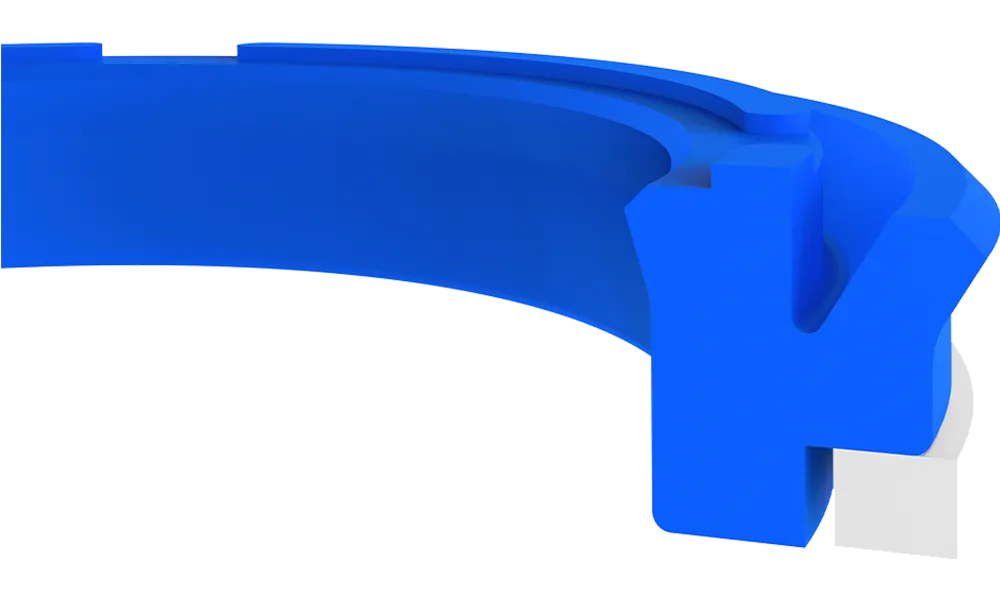
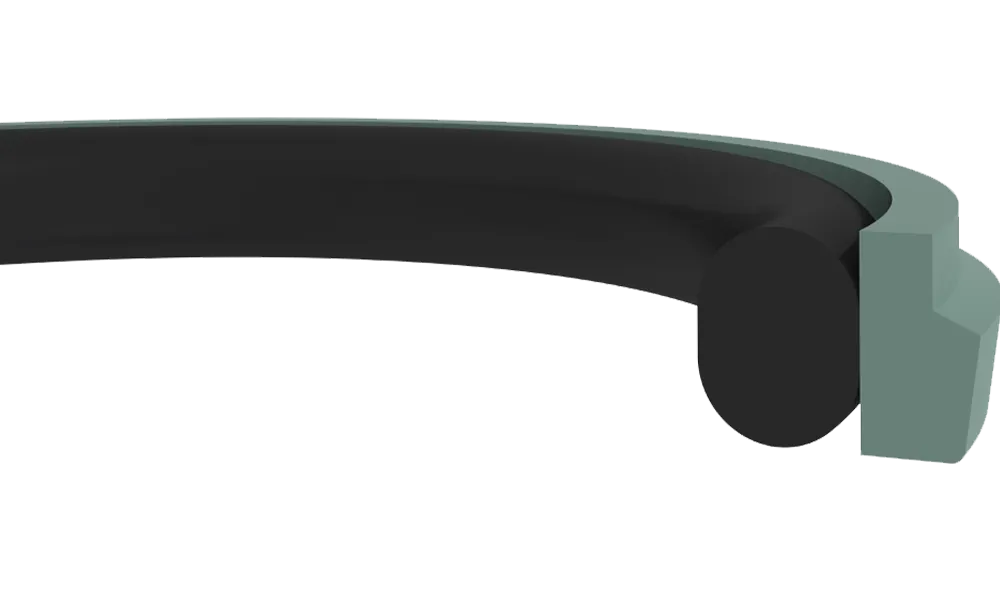
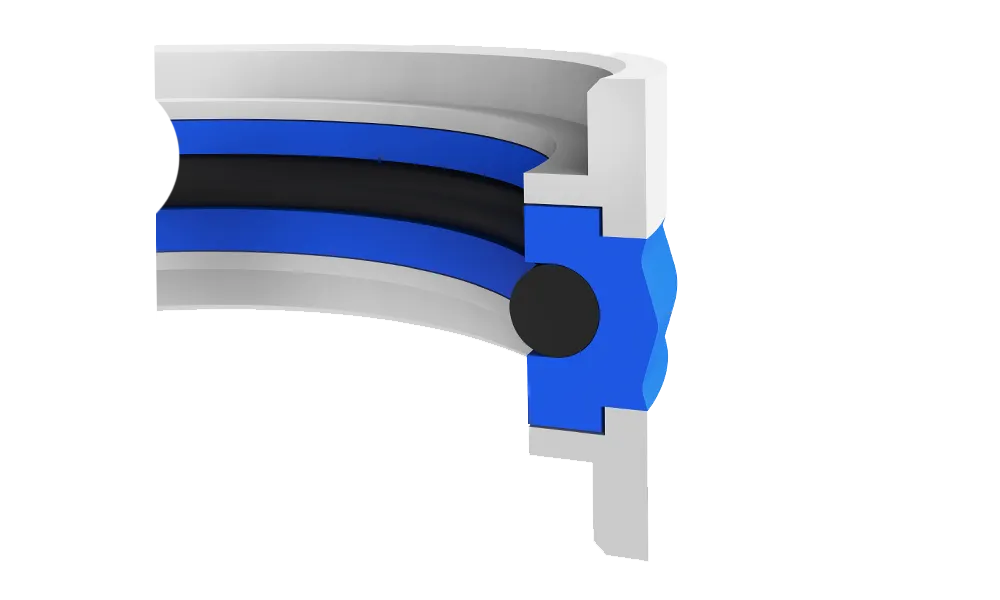
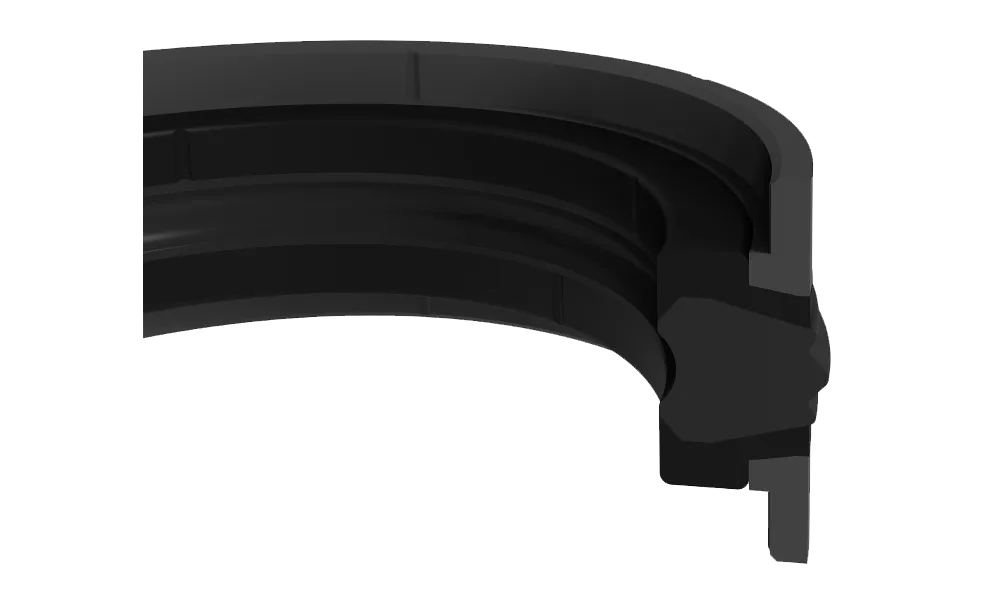
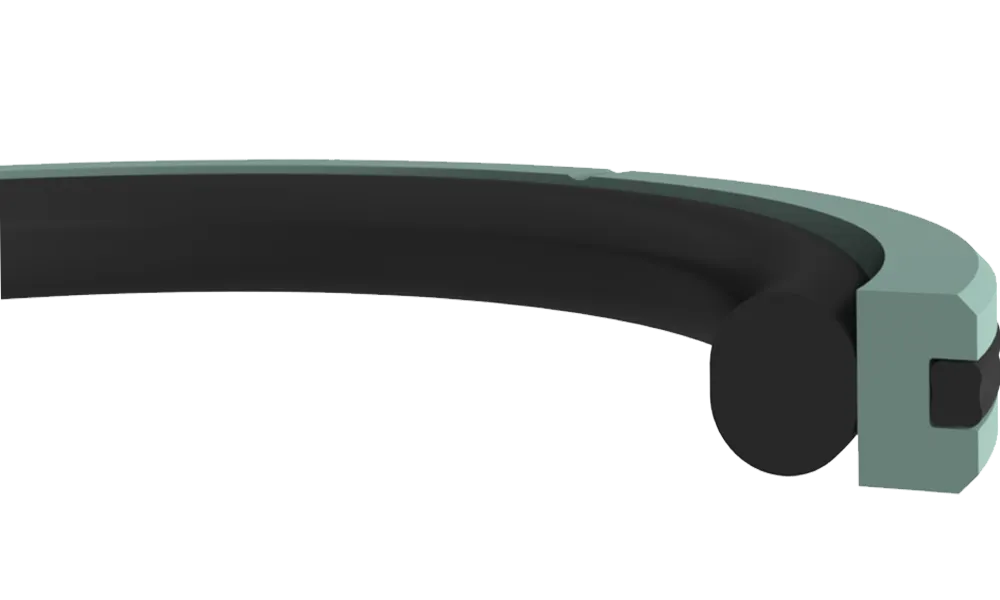
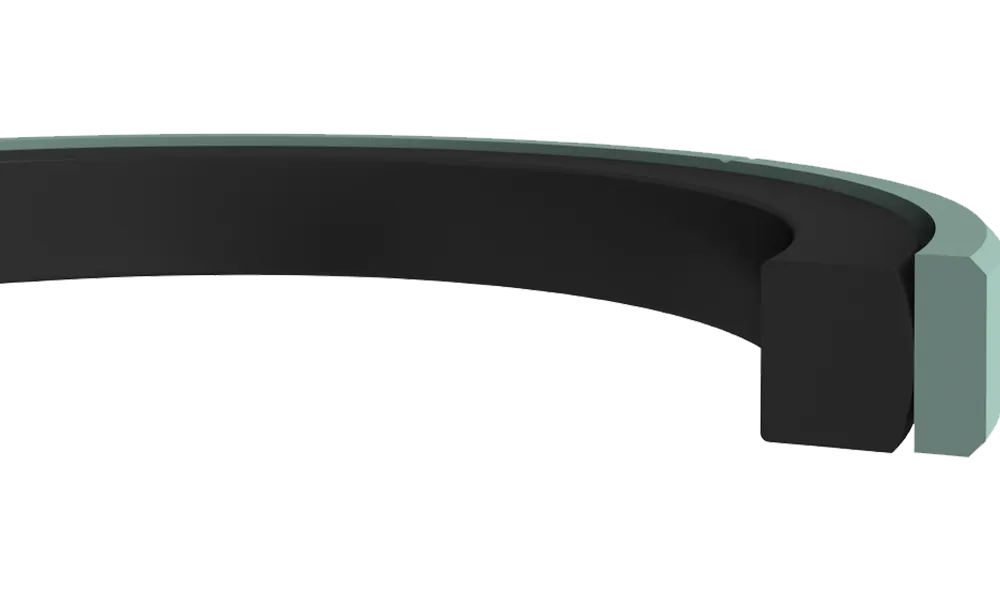
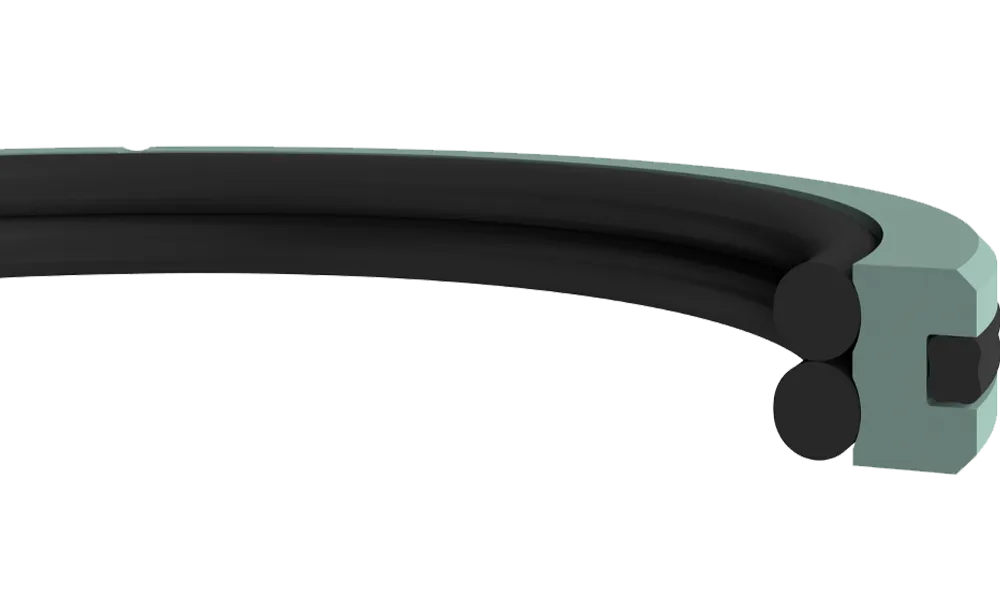
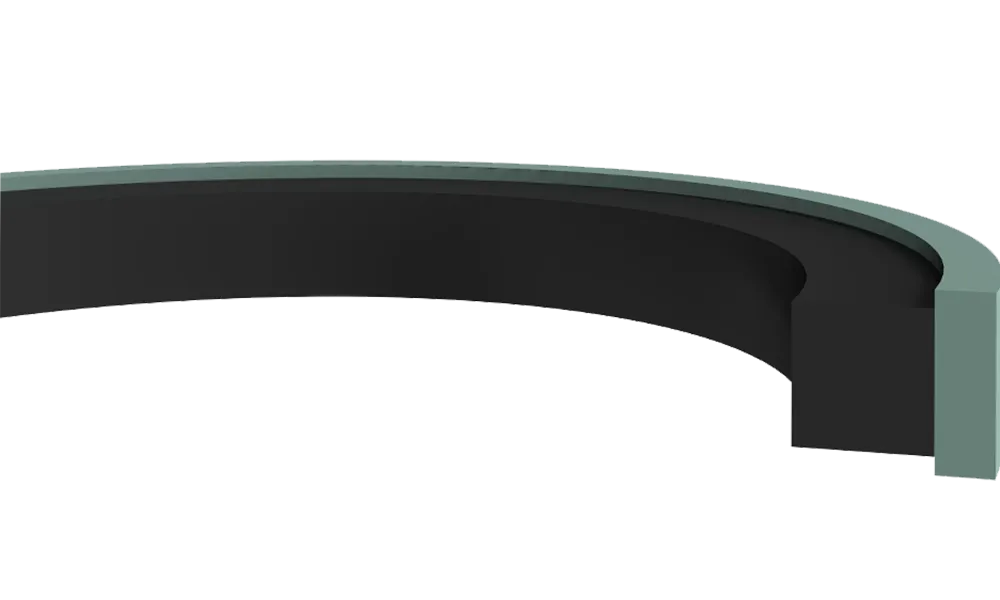
There are two basic arrangements depending on the application. Single-acting systems only need sealing in one direction and use single-lip profiles. Double-acting cylinders must hold pressure in both directions, so symmetrical profiles or compact sets are chosen. In compact sets the sealing element, back-up ring and guide strip work together to deliver high performance in a small installation space.
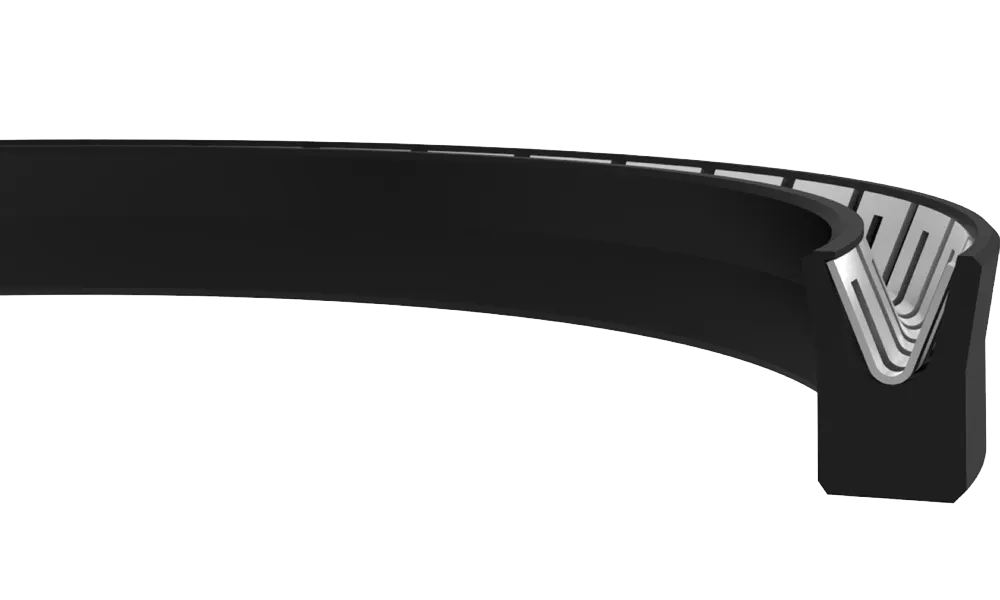
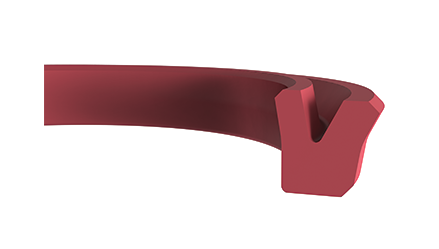
The profiles in the catalogue cover polyurethane (PU), NBR, PTFE, POM and polyamide (PA), as well as fabric-reinforced and spring-energised designs. Polyurethane is highly wear resistant and tolerates shock loads. PTFE-based profiles lower friction and reduce stick-slip, which matters in systems that position precisely.
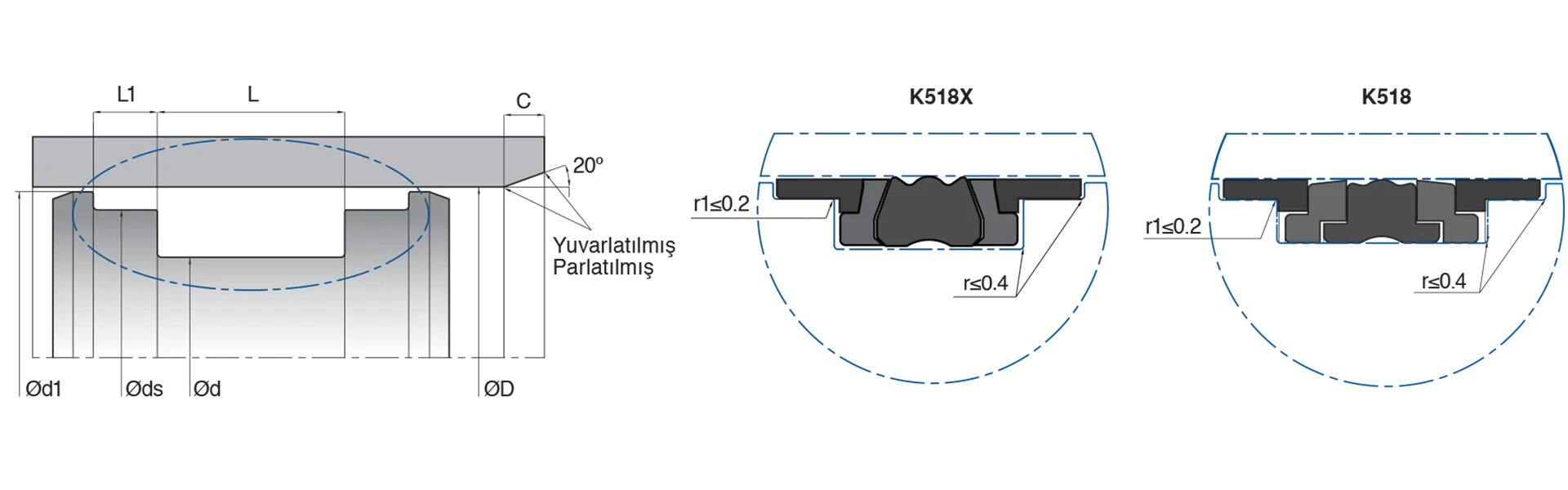
Across the product tables in this category, limits reach up to 700 bar and span −70 °C to +260 °C. The range applies to the whole category; each profile's own limits are listed separately on its product page. Selection is driven by piston diameter, groove diameter and groove width, together with operating pressure, sliding speed and fluid type.
In practice these profiles are found in construction-machinery boom and bucket cylinders, tipping and lifting systems, hydraulic presses and plastic injection moulding machines. High-pressure presses favour compact sets and arrangements with back-up rings; test, measurement and automation cylinders that position precisely favour low-friction PTFE profiles. The cylinder's daily cycle count and load profile matter at least as much as the choice of material.
We supply piston seals from our base in OSTİM, Ankara, and provide technical support with size and material selection.
Frequently Asked Questions
My cylinder won't hold its load — is it the piston seal?
If the cylinder cannot hold its load or drifts down with no visible external leak, that is a typical sign of internal leakage and is usually caused by the piston seal. If oil is leaking outside, the problem is on the rod side.
Can the same seal be used in single- and double-acting cylinders?
No. Single-acting cylinders only need profiles that seal in one direction. Double-acting cylinders must hold pressure in both directions, so symmetrical profiles or compact sets are used.
What is a compact set and when is it used?
A compact set combines the sealing element, back-up ring and guiding function in a single assembly. It is chosen where groove width is limited and there is a risk of extrusion at high pressure.
What should I watch out for when replacing a seal?
Burr-free, clean groove surfaces, not pulling the seal over sharp edges during fitting and light lubrication before assembly all directly affect service life. Scratches on the piston or rod will quickly destroy a new seal, so check the surfaces whenever you replace a seal.